Meaning
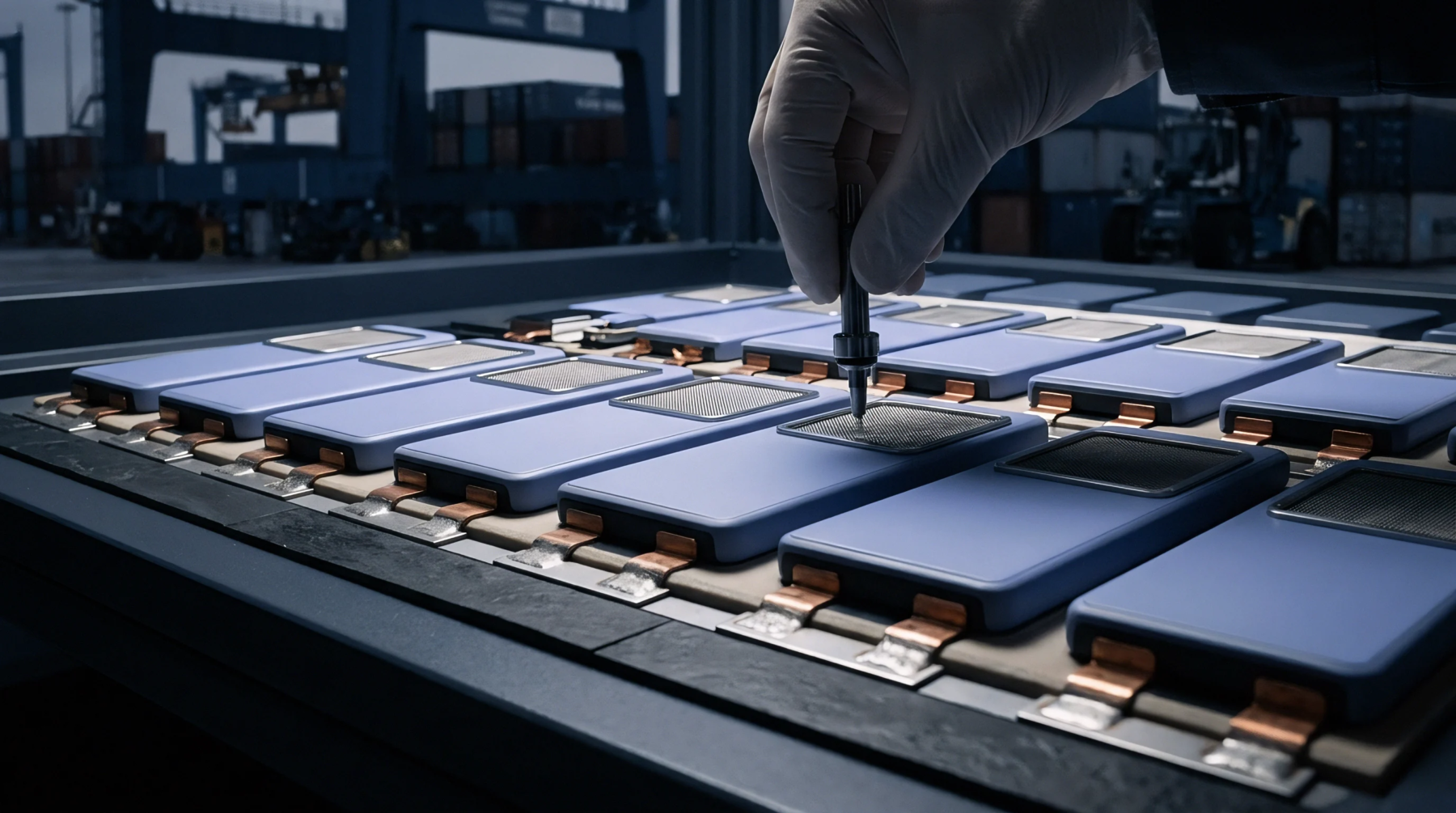
Production equipment designed for the assembly, compression, and housing of rectangular metal-can cells defines the mechanical workflow of high-capacity storage modules. Sourcing managers evaluate the cost and capacity of prismatic pack tooling to establish manufacturing lines that can handle specific cell form factors. This industrial hardware contains the molding, welding, and compression fixtures required for pack construction.
Equipment Investment
Capital allocation for these production assets represents a major share of the initial project budget for a new vehicle line. The machinery is often customized to the dimensions of a specific cell and module design, which limits its flexibility for future programs. Sourcing agreements must balance this high setup cost against the expected production volume of the battery line.
Production Rate
Automation in the assembly line determines the hourly output of completed battery modules and packs. High-speed laser welding and automated compression stations reduce cycle times and minimize the manual labor needed during assembly. Selecting highly automated assembly fixtures improves the consistency of the electrical connections and lowers the assembly cost per kilowatt-hour of the finished pack.
Quality Assurance
Inspection systems integrated into the production line monitor key parameters such as weld depth, compression pressure, and overall module height. If a part falls outside the allowed tolerance, the system flags it for review to prevent a defective module from being sealed inside the pack. This automated quality check reduces the risk of field failures and protects the manufacturing yield, which is essential for maintaining the profit margins of the assembly facility, and for securing the long-term reliability of the product.
Implementing these rigorous automated controls ensures that every battery pack shipped to the customer meets the strict safety and performance specifications.