Meaning
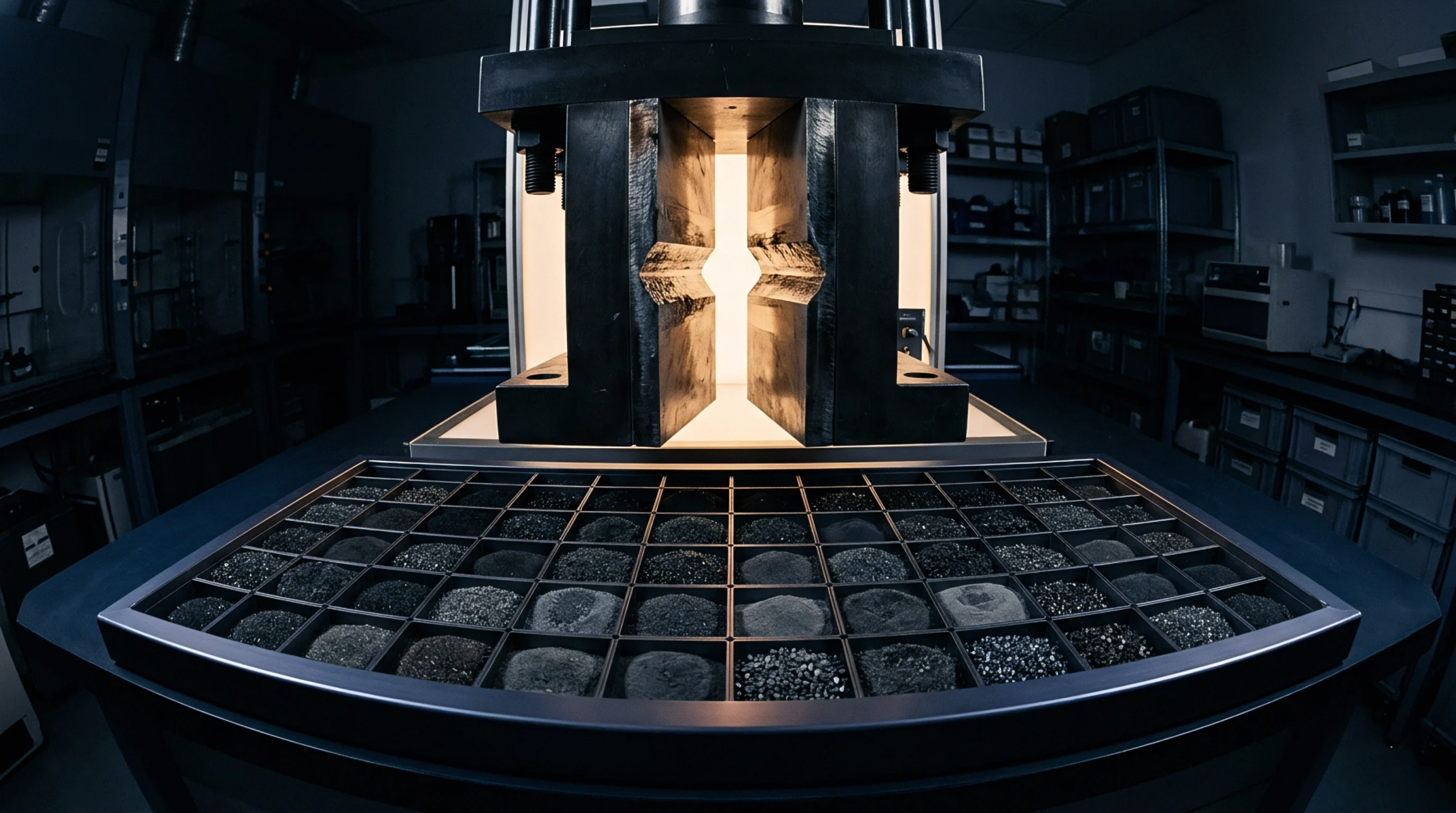
Hourglass-shaped flow passages combining a convergent entrance section with a divergent exit cone accelerate compressible gases from subsonic to supersonic speeds. In gas atomization systems producing reactive powder feedstocks for lithium batteries, a supersonic De Laval nozzle delivers high kinetic energy gas jets to disintegrate liquid metal streams. The component governs velocity conversion efficiency and dynamic pressure impact on molten alloys.
Its scope covers convergent-divergent physical nozzle hardware up to the exit plane discharging into the spray chamber.
Passage Geometry
Subsonic gas accelerates through the contracting entrance cone until flow reaches Mach one at the narrowest throat area. Inside a supersonic De Laval nozzle, subsequent expansion through the diverging cone converts thermal and pressure energy into directed kinetic energy above Mach one. The ratio of exit area to throat area determines the design Mach number achieved at the exit plane.
Incorrect area ratio design induces shock waves inside the nozzle cone that diminish exit momentum.
Gas Acceleration
Conversion of static gas pressure into dynamic velocity generates extreme kinetic energy density at the jet impact zone. High gas kinetic energy produced by a supersonic De Laval nozzle shears the liquid melt stream into sub-micron metal droplets before surface tension pulls droplets into spheres. High velocity gas jets also sweep newly formed droplets away from the nozzle tip to prevent melt buildup and nozzle clogging.
Operational Envelope
Design pressure ratios must be maintained to prevent flow separation and internal shock formation within the divergent section. Operating a supersonic De Laval nozzle below its design pressure ratio creates overexpansion shocks that degrade atomization performance.