Meaning
Safety test procedure that exposes battery cells or modules to extremely low atmospheric pressure to simulate the conditions of an unpressurized cargo hold. This t1 altitude simulation is the first in a series of eight tests required by the UN 38.3 standard for the international transport of lithium items. It identifies whether a cell enclosure will leak or burst when the external pressure drops to eleven point six kilopascals for a duration of six hours.
The observation period stops after the sample returns to sea level and is monitored for several days for signs of physical distress. Logistics firms rely on this testing to guarantee that products will not fail during high altitude flights.
Mechanical Integrity
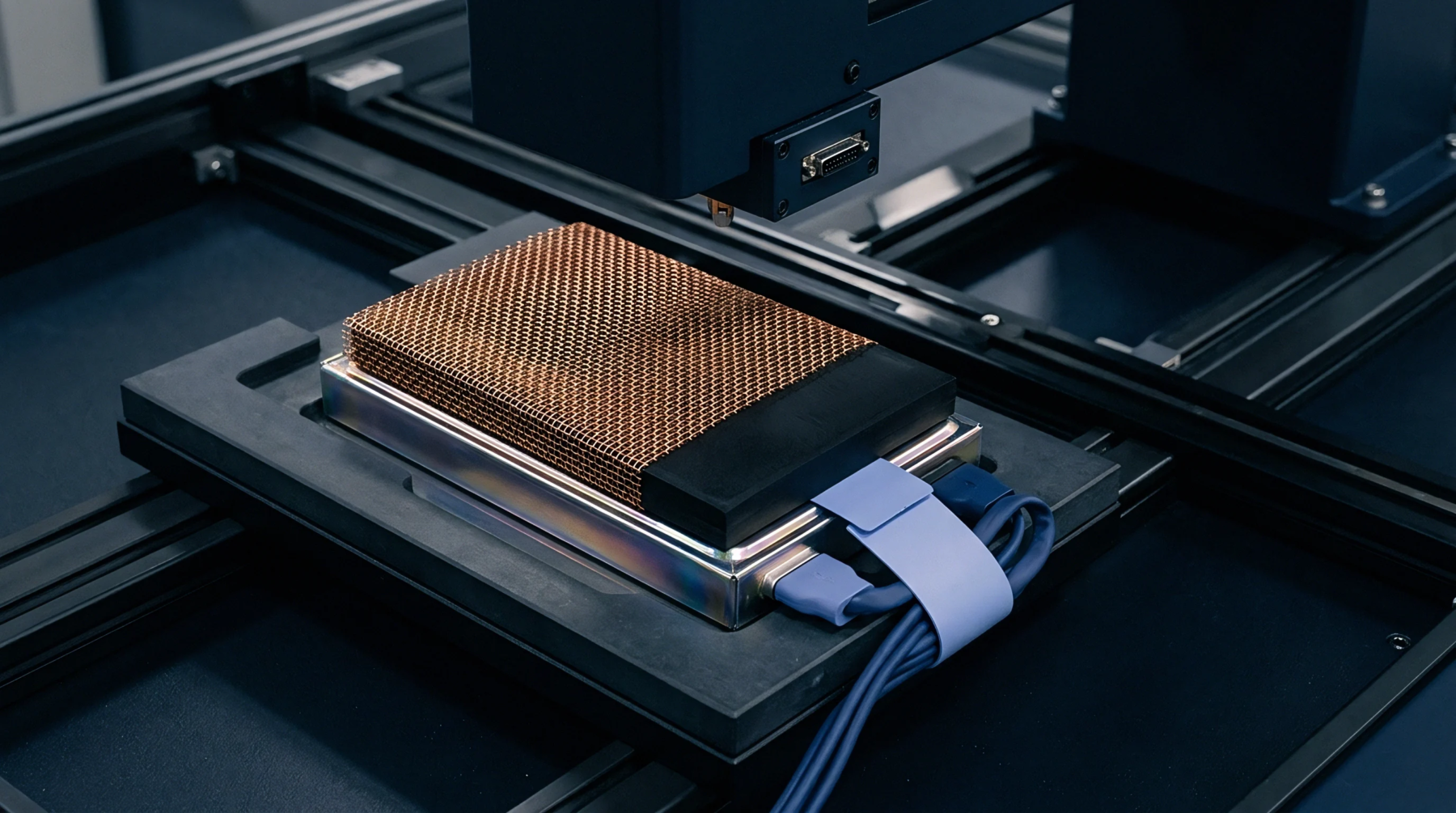
Casing stability is the primary variable monitored during this phase of the environmental stress routine. Performing the t1 altitude simulation requires placed units inside a vacuum chamber that slowly removes common air molecules until the target pressure is reached. This creates an internal push from the electrolyte and gases inside the cell against the polymer or metal walls.
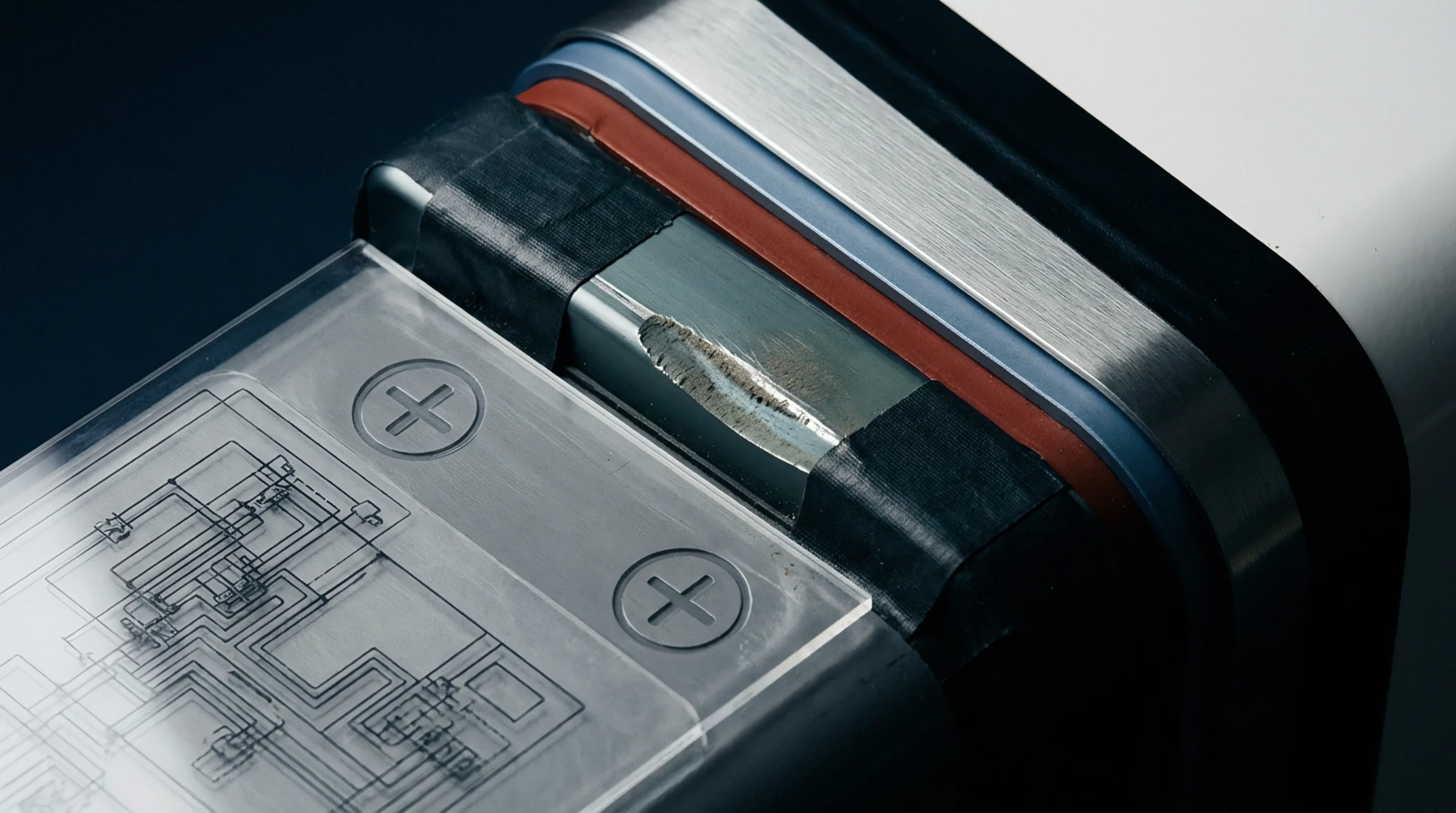
If a terminal seal is weak, the cell will vent toxic fluids into the chamber which results in a test failure. These tests avoid costly accidents in flight where chemical fires are nearly impossible to manage manually. Proper construction of the pressure relief valve is verified through this physical expansion challenge.
Safety Protocol
Strict pass criteria dictate that there must be no mass loss or visual leakage during or after the session. During the t1 altitude simulation examiners use precision scales to compare the weight of the test items before and after the vacuum sequence. Even a milligram of difference suggests that microscopic droplets escaped from the interior of the battery.
Such results indicate a lack of manufacturing control that would be hazardous in the global shipping network. Beyond weight checks, the voltage must remain stable to show that internal connections were not strained by the expansion. Consistency in these metrics protects the entire aviation supply chain from unforeseen chemical incidents.
Documentation trail
Recording these data points provides the foundation for the legal safety summary required for every shipment. The t1 altitude simulation results are compiled into a document that must travel with the battery batch wherever it is sold. Without a verified pass from this simulation, cargo airlines will refuse the load and customs agents may confiscate the goods.
This ensures that only cells designed for the fluctuations of international travel arrive at the destination. Manufacturers typically batch these tests once per product redesign to maintain their compliant status in the eyes of regulatory bodies. Successful completion proves the hardware can survive the lower reaches of space-like vacuum without leaking.