
Optical Signal Separation for Lithium Plating Resolution in Pouch Cells
Evanescent fiber-optic signal separation detects sub-micron lithium plating in pouch cells before voltage shifts appear, requiring validated hermetic tab seals.
Evanescent fiber-optic signal separation detects sub-micron lithium plating in pouch cells before voltage shifts appear, requiring validated hermetic tab seals.

Non compliant battery test summaries trigger container quarantine, daily Class 9 demurrage, regulatory civil penalties, and insurance voidance at ports.

Verify cell voltage stability after relaxation to certify thirty percent state of charge limits on dangerous goods ocean shipping manifests.

Pressure drops drive toxic gas effusion through cathode microcracks, requiring sub-ppm spectroscopic validation to survive dangerous goods carriage limits.

Cross-border battery transport requires verified UN 38.3 test summaries, sub-30-percent aviation charge limits, and modal UN packaging marks to clear customs.

Latent SEI growth during ocean transit scales with Arrhenius thermal exposure and square-root time, requiring low SOC shipping and arrival impedance audits.

Managing fluorinated electrolyte imports requires aligning chemical identities with diverging PFAS rules, UN drum packaging, and strict contractual indemnities.

Importers carry strict liability for invalid UN 38.3 certificates when subcontracted labs lack accredited scope, driving mandatory direct accreditation audits.

Verify UN 38.3 test summaries against accredited lab databases and audit physical batch metrics at receiving to prevent demurrage and cargo seizure.

Automated off-gas false positives trigger terminal hazmat quarantines, shifting demurrage and testing liabilities to cargo owners unless contractual riders preempt tariff liens.

Automated VOC detection limits for lithium battery cargo require setting DMC thresholds below 1 ppm while filtering ambient timber and adhesive backgrounds.

Importers lower hazardous cargo clean-up liability by structuring purchase escrows and drafting explicit hazardous waste indemnities.

Validating UN 38.3 transport test summaries requires verifying ten specific data fields against accredited laboratory reports before cargo tender.

Non-compliant battery seizures trigger compounding port detention, equipment demurrage, statutory fines, and hazmat destruction costs exceeding cargo value.

ISO 17025 audit verification demands validating test parameters against the lab schedule on the ILAC MRA portal to prevent compliance holds

Verify UN 38.3.5 summary authenticity and lab ISO 17025 scope before tendering battery cargo to prevent customs seizure and catastrophic demurrage.
Dangerous goods demurrage escalates exponentially; transferring holds to off-dock bonded hazmat yards stops terminal fees and protects landed margins.

Containerized battery shipments require strict IMDG segregation, state of charge caps under thirty percent, and passive thermal isolation on deck.

Mandatory UN 38.3 test summaries must link cell serial numbers to verified lab results across ten required data fields before cargo enters transport networks.

Port entry verification of UN 38.3 test summaries requires cross-referencing laboratory ISO 17025 scope schedules against cell mass and test parameters.
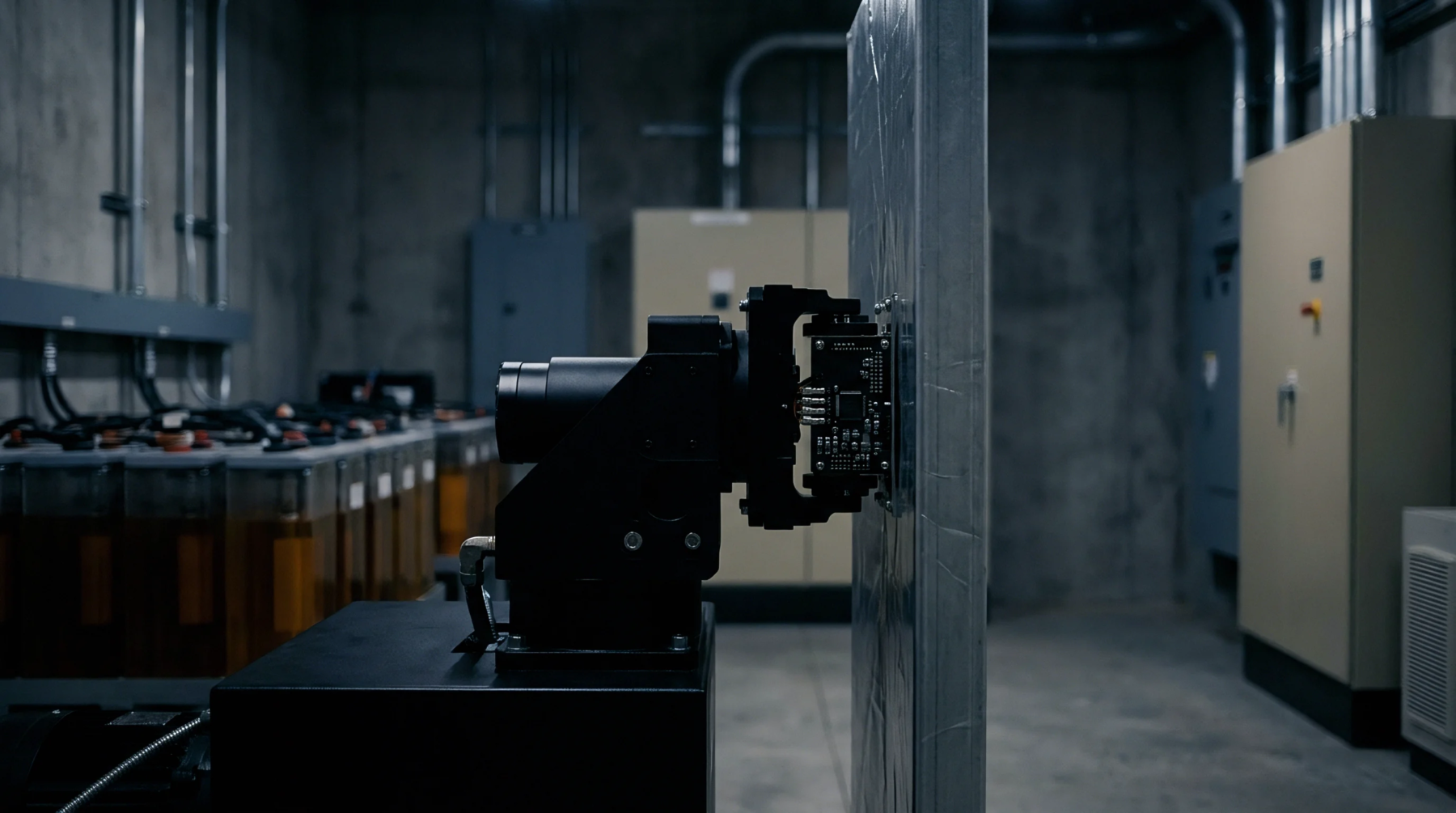
Validating UN 38.3 lithium cell test summaries requires verifying all ten statutory fields, checking ISO/IEC 17025 lab scope, and matching physical cell mass.

Uncertified cell freight moves legally under Special Provision exemptions; contract terms must shift dangerous goods declaration liabilities to origin shippers.

Verify ISO/IEC 17025 lab accreditation before issuing cell purchase orders to ensure cross-border transport document legality and protect against customs detention.
Expertise is a utility, not a secret. sentiention™ publishes its working knowledge as open reference: intelligence layer covering the materials it sources, the markets it enters, and the reference that serves both.