Meaning
Battery management protocols dictate the rapid evacuation of stored energy to a predefined cutoff voltage under controlled resistive load conditions. A t8 forced discharge represents a diagnostic procedure intended to verify the stability of cell chemistry when subjected to high current draw. Technicians utilize this method to identify latent voltage depression or internal shorts that remain dormant during standard operational cycles.
Evaluation of the residual capacity confirms whether the electrochemical structure maintains integrity after aggressive energy depletion.
Evaluation Protocol
Systematic removal of energy follows a constant current profile until the threshold reaches the minimum permissible level. Instrumentation monitors the drop in voltage to isolate cells exhibiting anomalous heat generation or premature polarity reversal. Precise calibration of the discharge rate ensures that each unit undergoes identical stress without exceeding thermal safety limits.
Data captured during this interval informs the grading of secondary market modules for subsequent reuse applications.
Operational Variance
Variations between high rate pulses and sustained continuous flow alter the chemical stress profile of the active materials within the housing. Rapid extraction forces lithium ions to migrate through the separator at peak velocities that frequently trigger protective circuit interventions. Extended duration cycles prove more taxing for the electrolyte interface than momentary spikes in demand.
Balancing these extraction parameters determines whether a system registers as a pass or a failure in quality control environments.
Hardware Requirement
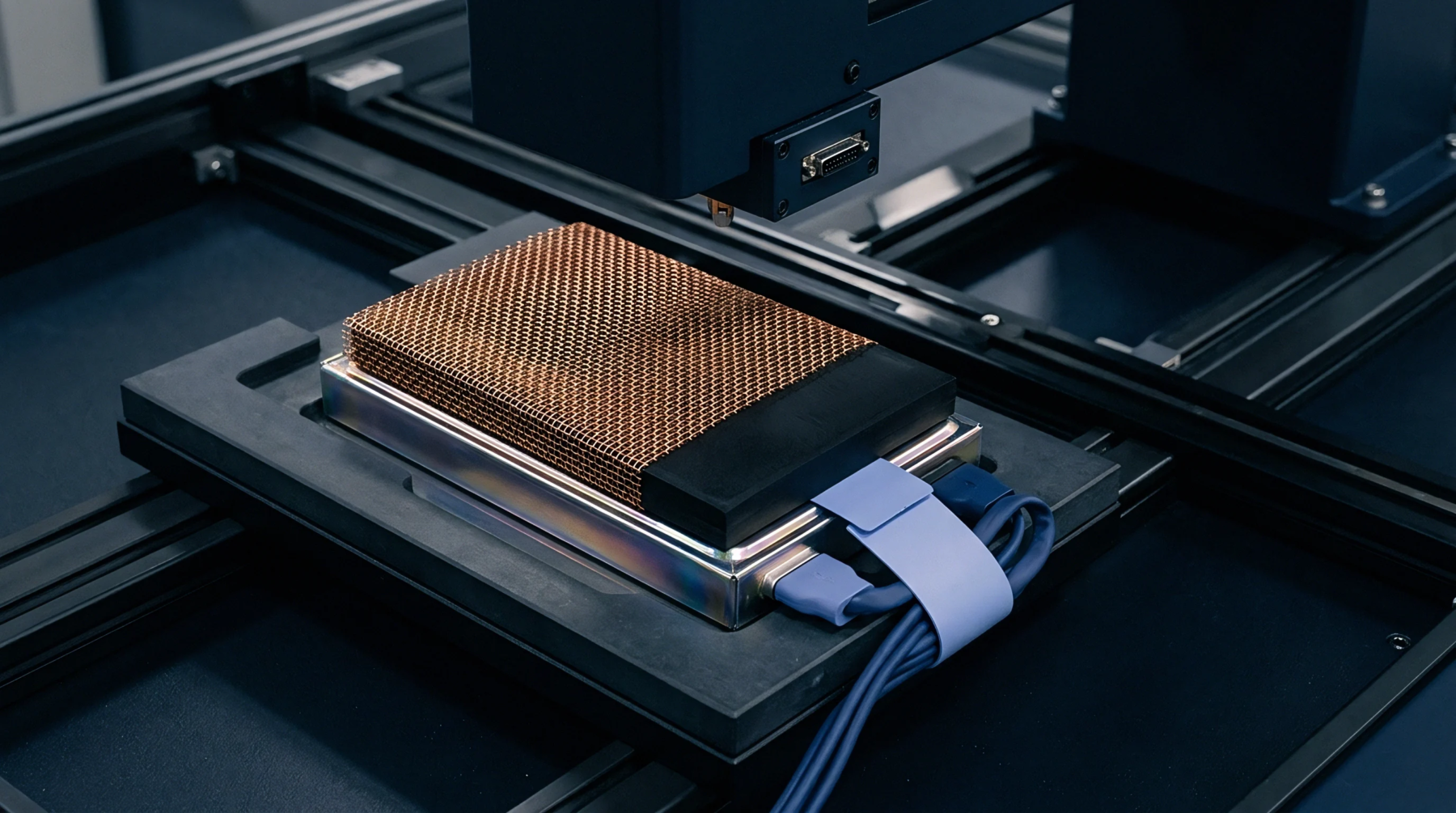
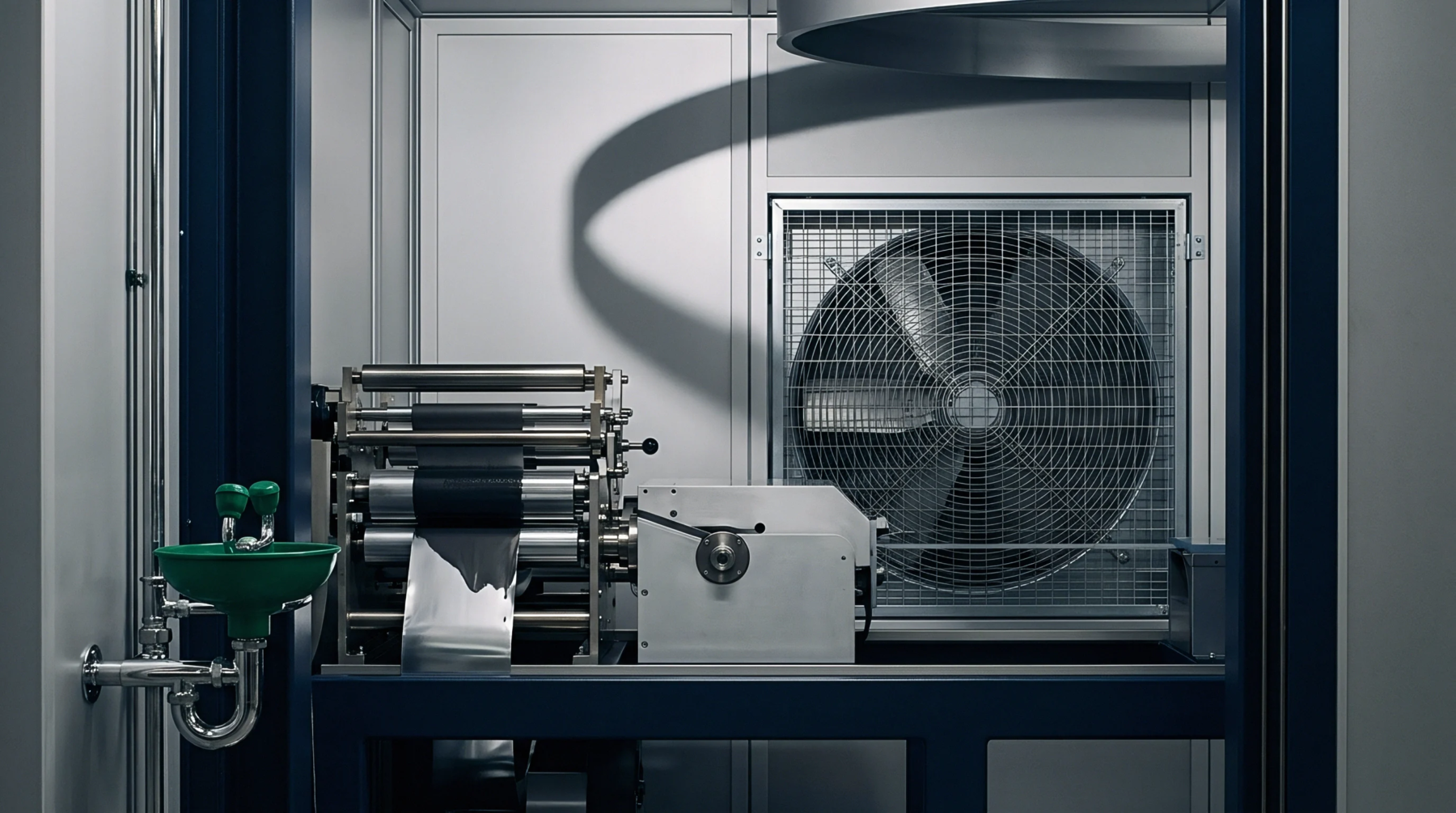
Complex power electronic arrays manage the dissipation of energy as thermal output through banks of high wattage resistors. Specialized cooling fans or liquid loops remove excess heat to prevent the ambient temperature of the test area from skewing the readings. Reliable connections ensure that contact resistance does not inflate the measured drop across the terminals.
Automated equipment executes the entire sequence to guarantee that no manual interaction introduces variance into the final performance record.