Meaning
Reduction of residual tension within a component occurs when thermal energy allows the microstructure to reorganize into a lower energy state. Observing thermal stress relaxation is essential for ensuring that precision machined parts do not warp after they are removed from their fixtures. The process converts elastic strain into a small amount of permanent plastic strain.
It is frequently employed after welding or casting to stabilize the material before final finishing operations begin.
Atomic Reorganization
Heat provides the energy required for dislocations to move and annihilate each other. During thermal stress relaxation the internal forces that were locked in during casting are slowly neutralized. This results in a more stable material that is less likely to crack during service.
Dimensional Stability
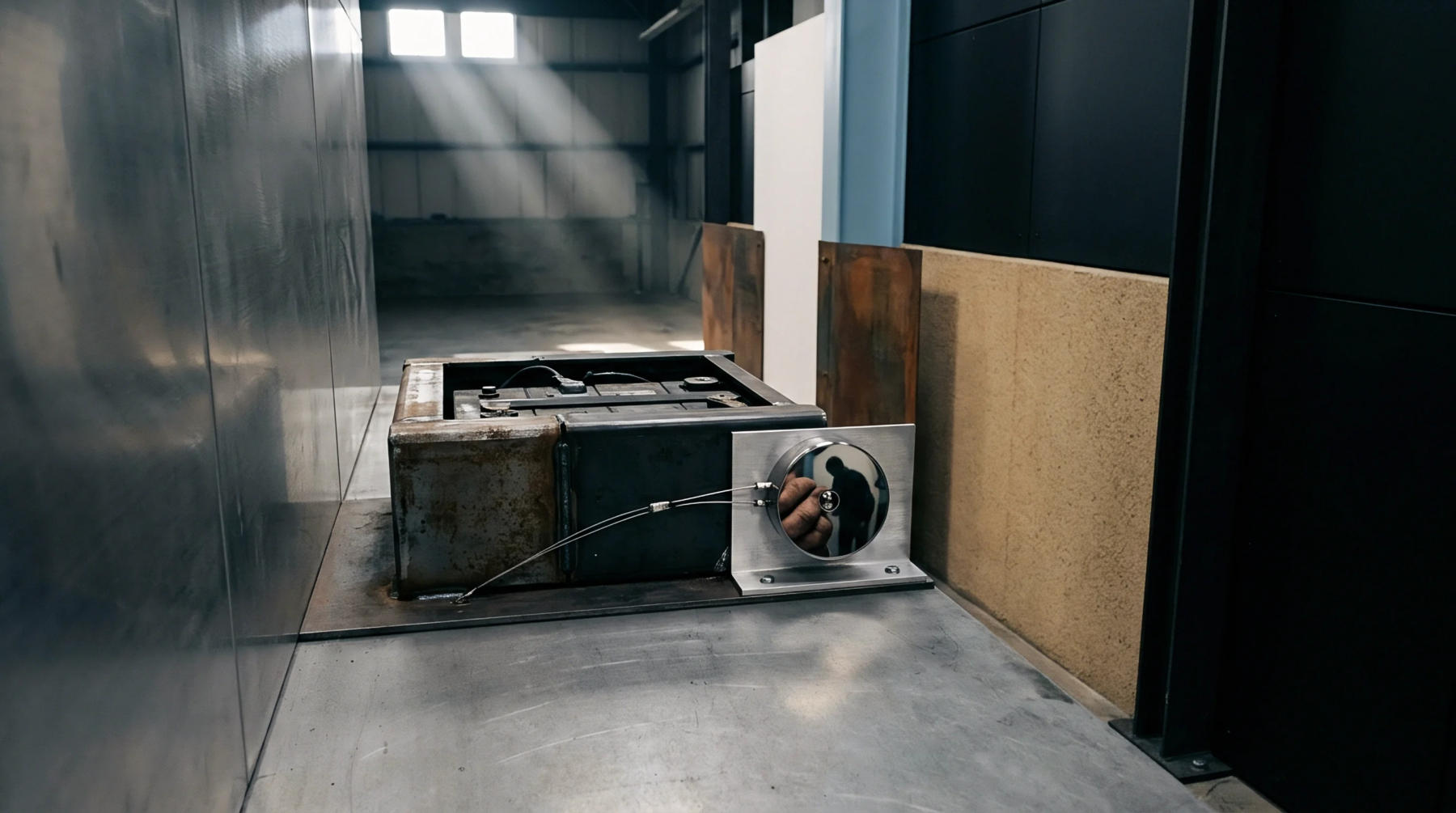
Parts that have undergone this process maintain their shape better during subsequent machining operations. Without thermal stress relaxation the removal of material would cause the part to spring back into a distorted geometry. This is critical for battery housing components that must meet tight flatness tolerances.
Processing Temperature
Success depends on holding the part at a high enough temperature for a sufficient duration without altering the required hardness. The thermal stress relaxation window is typically below the phase transformation temperature of the alloy. Careful control of the cooling rate after the soak prevents the reintroduction of new stresses.