Meaning
Fatigue damage formulations incorporating maximum tensile stress correct strain-life predictions for components operating under non-zero mean stress loading conditions. The fatigue damage parameter known as Smith-Watson-Topper calculates equivalent strain amplitude by taking the square root of the product of maximum tensile stress and normal strain amplitude. Within battery structural mechanics, Smith-Watson-Topper governs fatigue life estimation for battery pack mounting ears, module enclosures, and busbars subjected to combined thermal mean stress and cyclic mechanical loads.
The formulation governs normal strain amplitude, peak tensile stress, elastic modulus, and fatigue life coefficients. The model stops applying under compressive mean stress states where the parameter yields zero or imaginary values, or under severe multiaxial shear-dominated failure modes.
Formulation Dynamics
The parameter multiplies maximum tensile stress occurring during a cycle by the normal strain amplitude. This product accounts for the physical observation that tensile mean stress opens micro-cracks and accelerates damage accumulation, while compressive mean stress retards crack growth. Under zero mean stress fully reversed loading, the parameter reduces to standard strain-life equations.
Normalizing the energy-like parameter using Young modulus converts the value back into an equivalent strain amplitude for life lookup curves.
Tensile Sensitivity
Materials exhibiting strong sensitivity to tensile mean stress are accurately modeled using this formulation. Battery components subjected to residual tensile stresses from stamping, welding, or assembly press fits exhibit reduced fatigue endurance under cyclic operational loads. Smith-Watson-Topper effectively penalizes tensile mean stress environments, preventing non-conservative life estimates in battery structural weldments.
Implementation Verification
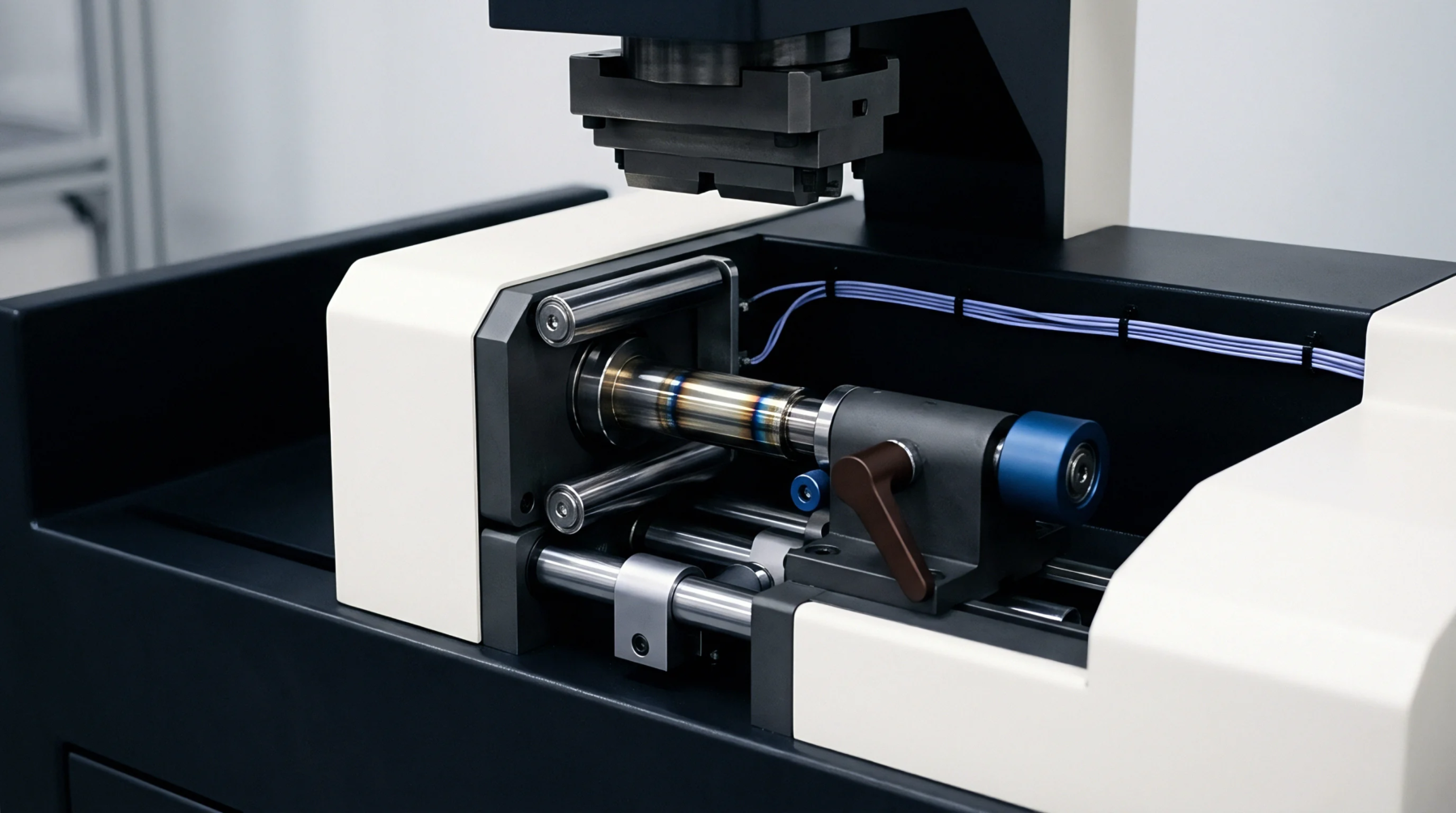
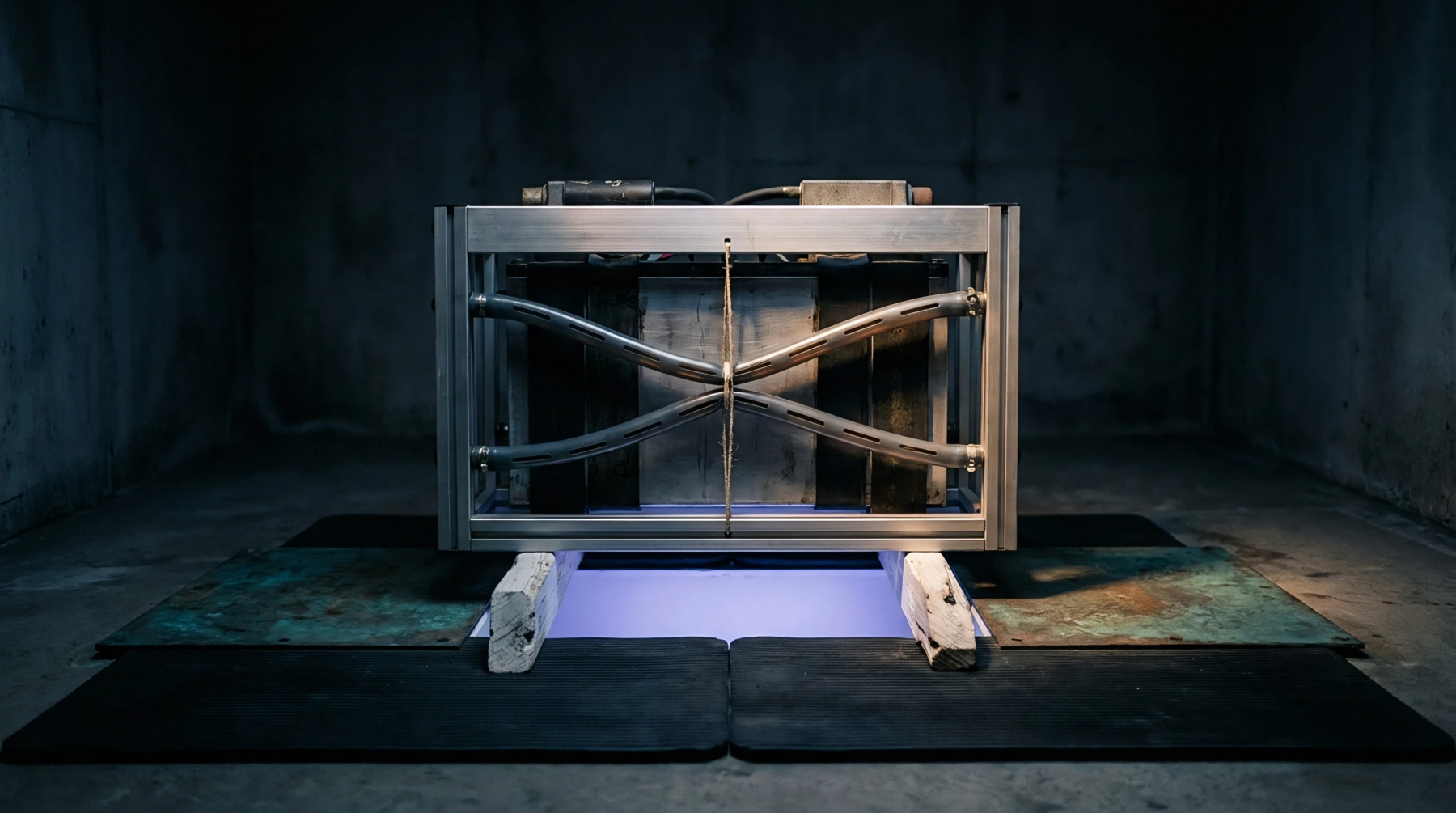
Structural analysts integrate the parameter into strain-life calculation workflows following rainflow cycle counting of transient strain histories. Calibration requires uniaxial fatigue testing across multiple R-ratio stress states to verify parameter sensitivity for specific aluminum and steel alloys. Component testing validates predicted crack initiation locations on physical vibration test rigs.
Discrepancies in predicted life often arise when applying the method to shear-dominated multiaxial strain fields where critical plane shear models like Fatemi-Socie are required.