Acceptance Quality Limit Sampling Plans for Lithium Cell Receiving Facilities
Enforce ANSI ASQ Z1.4 Level II sampling with AQL 0.010 for critical safety flaws and Kelvin OCV IR screening to reject defective lithium cells at receiving dock.
Enforce ANSI ASQ Z1.4 Level II sampling with AQL 0.010 for critical safety flaws and Kelvin OCV IR screening to reject defective lithium cells at receiving dock.

Differential capacity analysis detects metallic lithium plating on high-current graphite cells by identifying distinct stripping peaks during low-rate discharge.

Fast screening of manganese substituted LFP requires separating rate polarization from permanent capacity loss to prevent improper cell grading.
Contractual risk transfer for battery logistics requires strict UN 38.3 documentation covenants, state-of-charge limits, and un-capped seller indemnities.

Auditing battery laboratory accreditations requires matching exact test standards against ISO 17025 scopes while enforcing drift limits on cell data.

Closing the gap between certified designs and shipped batches demands rigorous incoming statistical acceptance sampling, teardowns, and strict contract limits.
Customs clearance for imported cells requires an authenticated UN 38.3.5 test summary, compliant SDS, and validated laboratory scopes to pass border entry audits.

Verify inbound cell compliance using ISO 2859-1 sampling, microvolt OCV screening, K-value decay tracking, and UN 38.3 audit chains before pack assembly.
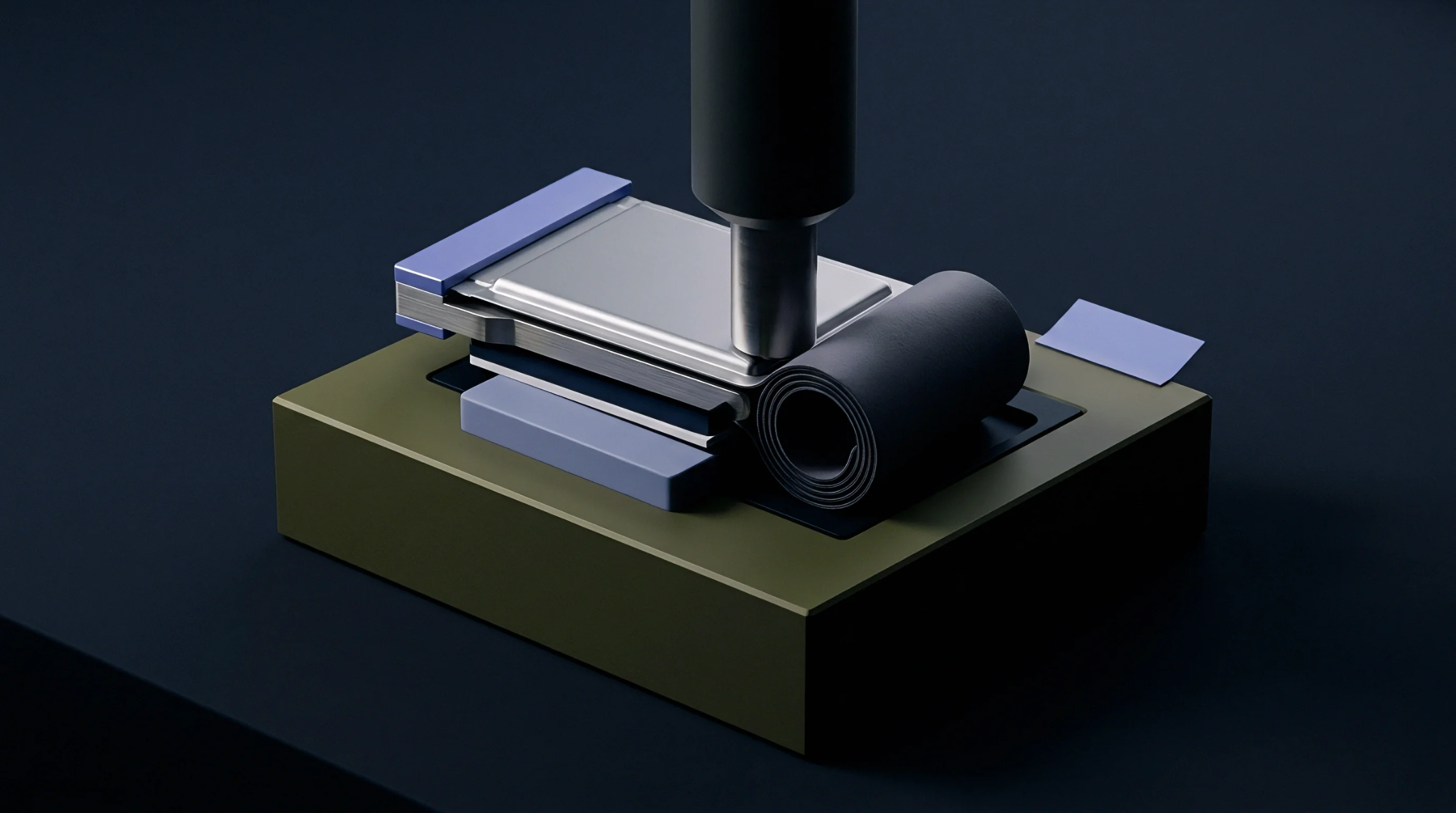
Format selection dictates tooling capital, cooling architecture, and mechanical containment: cylindrical cells minimize stack stress, while prismatic cells maximize spatial fill.

Structure custom pack sourcing by retaining mechanical IP and UN 38.3 file ownership while negotiating cell-direct contract manufacturing terms.

Cross-border cell inspection demands dockside atmospheric auditing, 4-point Kelvin impedance profiling, loaded metrology, and ANSI Z1.4 lot sampling.
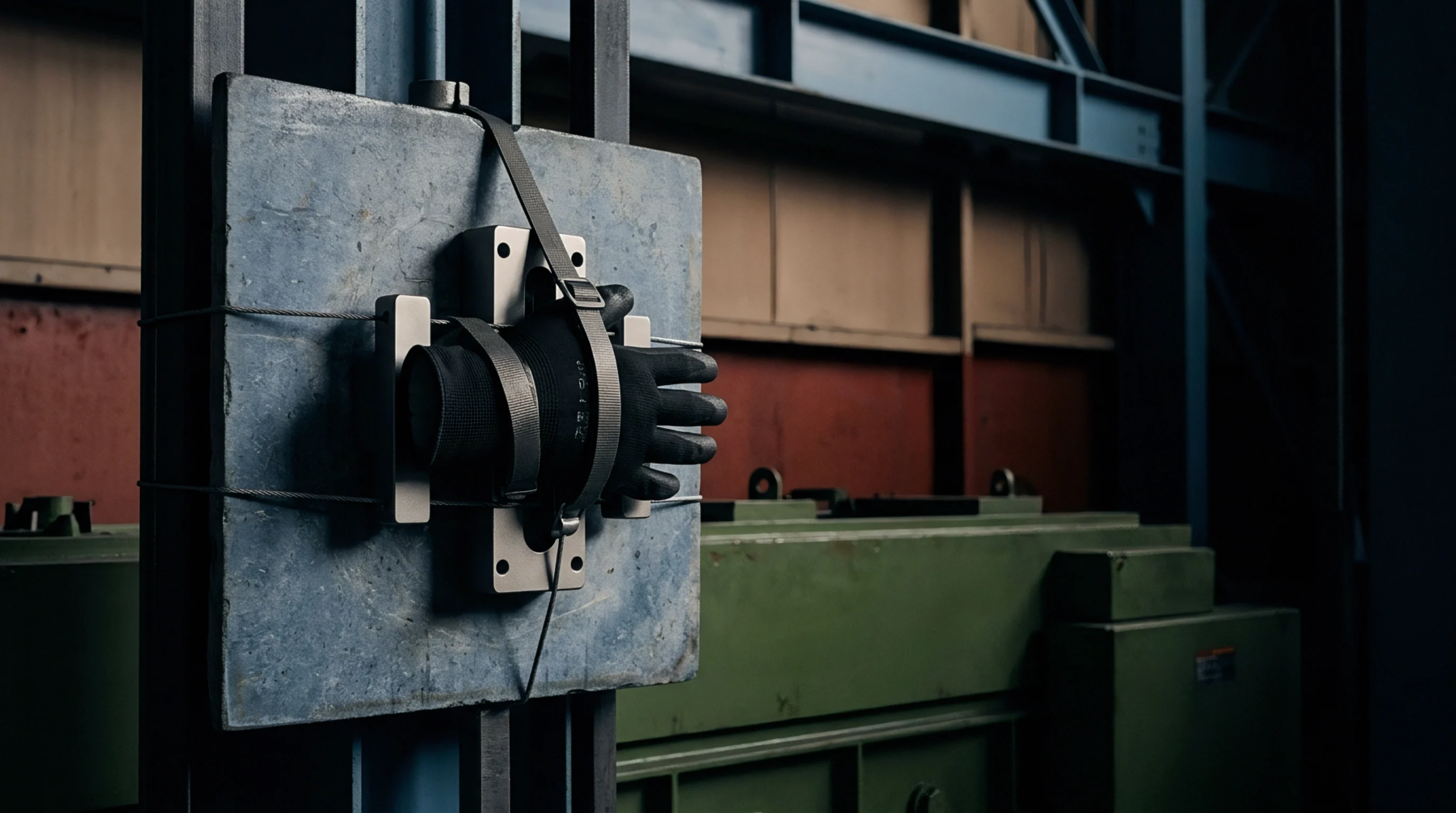
Unverified third-party battery test scopes leave importers legally liable for transport fines, customs seizures, and uninsurable thermal failures.
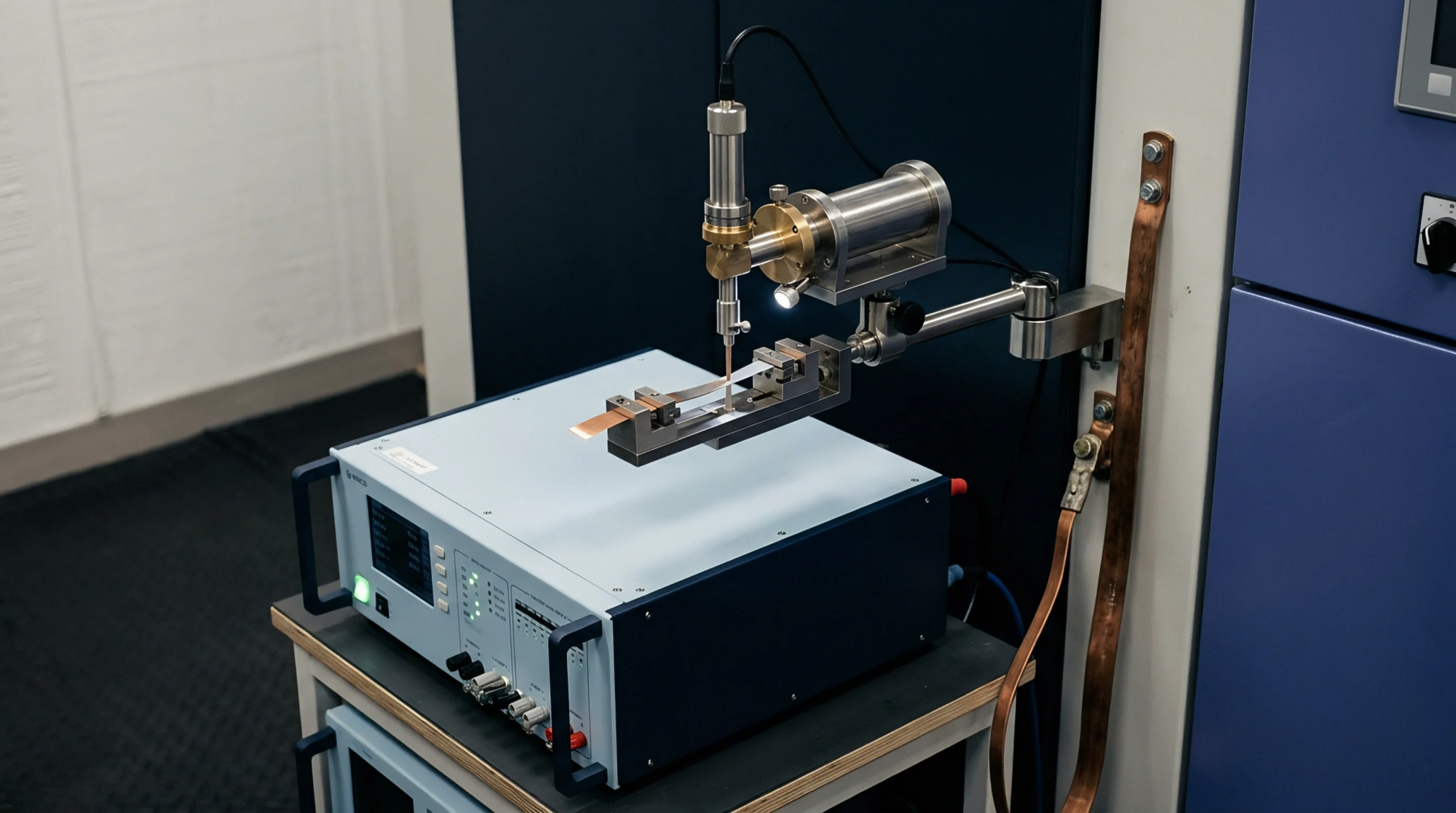
Optimal mechanical constraint extends lithium cell cycle life by suppressing electrode delamination while avoiding separator pore collapse and intergranular cathode fracture
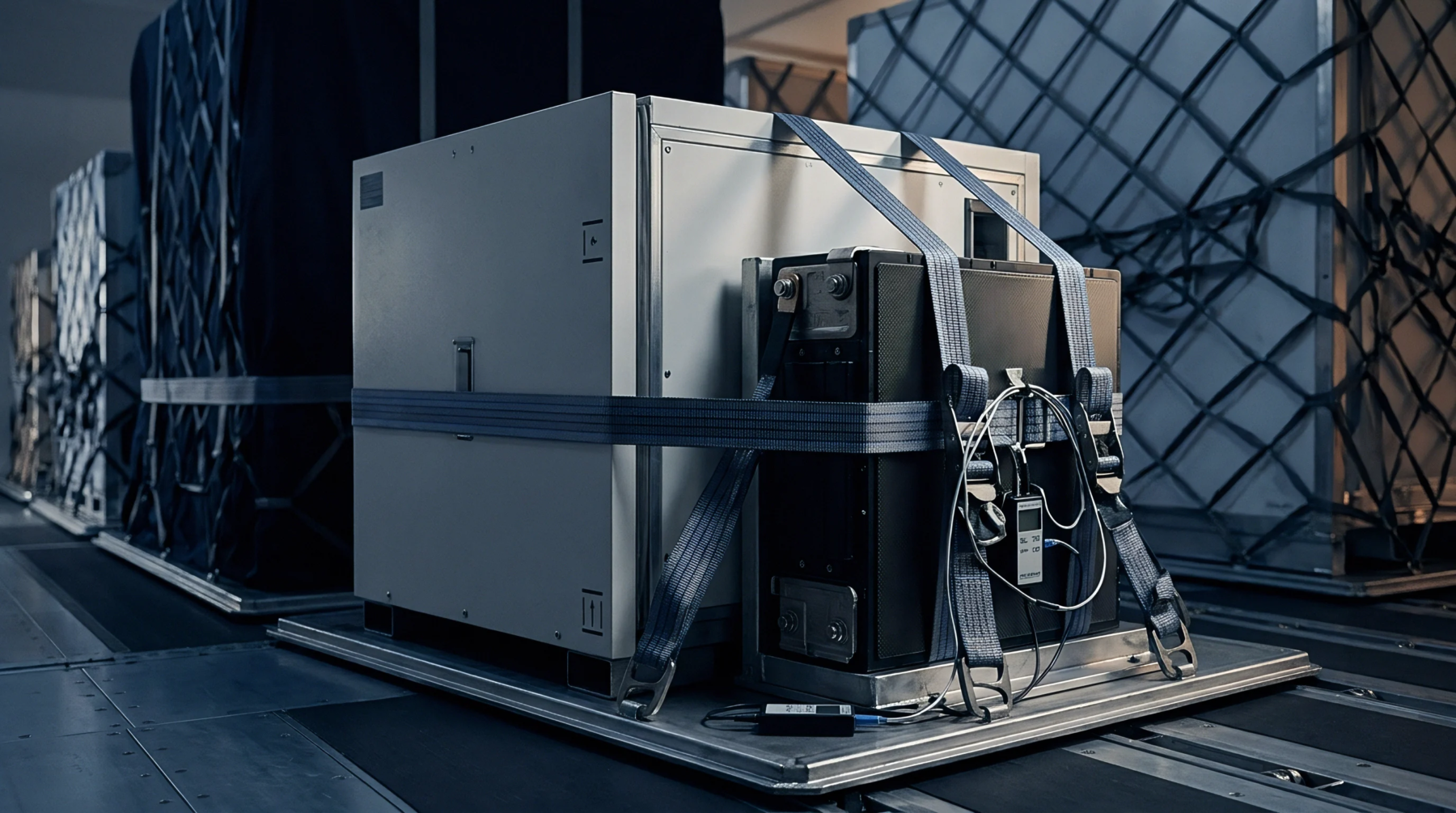
Lithium cell shipments require UN 38.3 bench qualification, 30 percent state-of-charge air caps, Class 9 packaging, and verified 10-field test summaries.
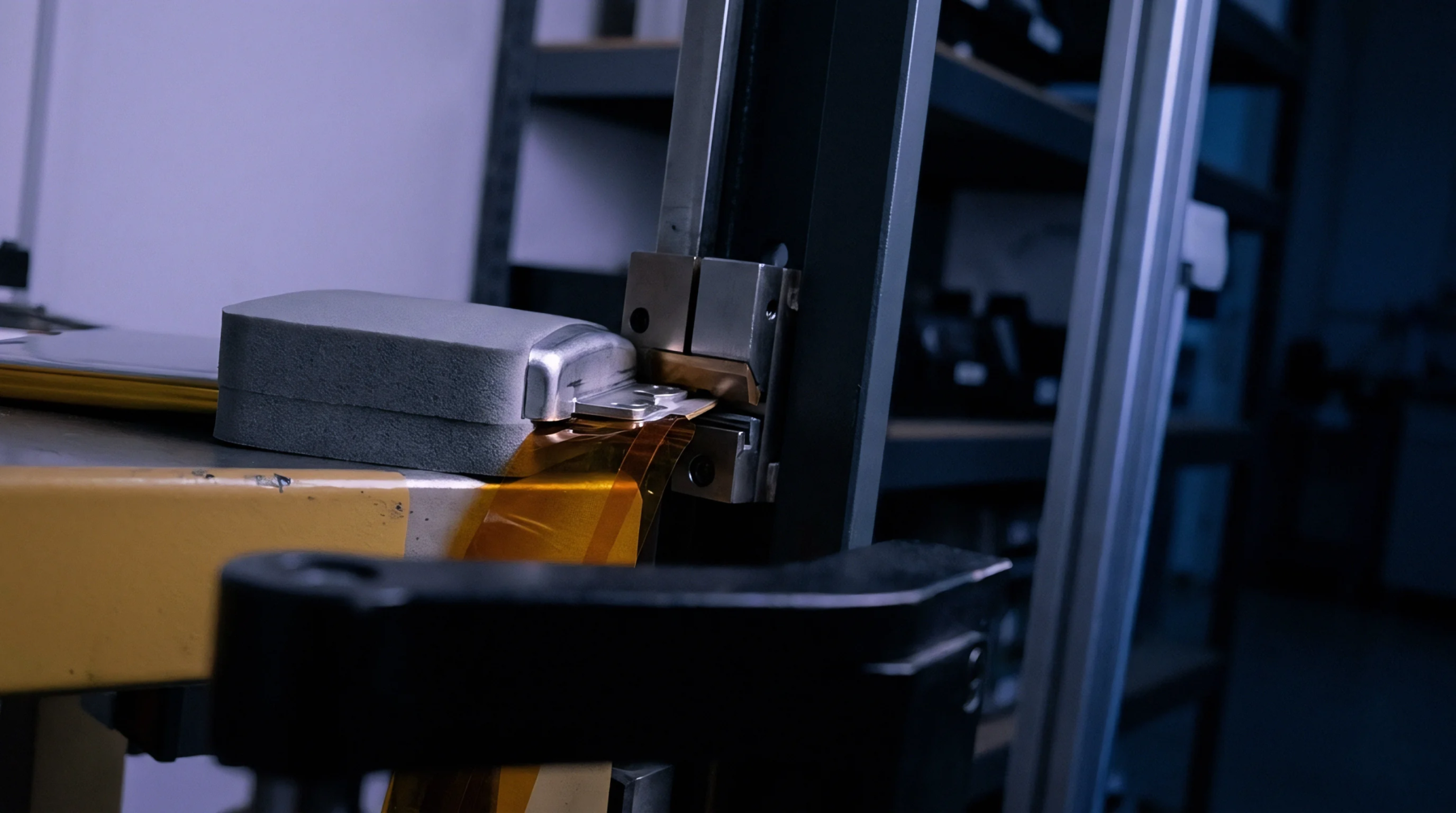
Fix format, compression pads, NRE tooling costs, and BMS regulatory boundaries before signing supply contracts to avoid costly re-tooling and unhedged liability.
Transit delays drive cell degradation and document expiry, requiring clear contract clauses to shift re-certification and scrap liabilities to suppliers.
Sub-zero lithium-ion charging without precise current derating triggers irreversible anode plating, driving immediate capacity loss and fire hazards.
Buying cells requires owning BMS development, weld quality, thermal isolation, and pack safety files; buying packs trades unit margin for transferred liability.
Expertise is a utility, not a secret. sentiention™ publishes its working knowledge as open reference: intelligence layer covering the materials it sources, the markets it enters, and the reference that serves both.