
Thermal Interface Material Selection for Prismatic Battery Modules
Matching material compliance to prismatic swell while controlling bond line thickness dictates thermal impedance, voltage isolation, and pack yield.
Matching material compliance to prismatic swell while controlling bond line thickness dictates thermal impedance, voltage isolation, and pack yield.
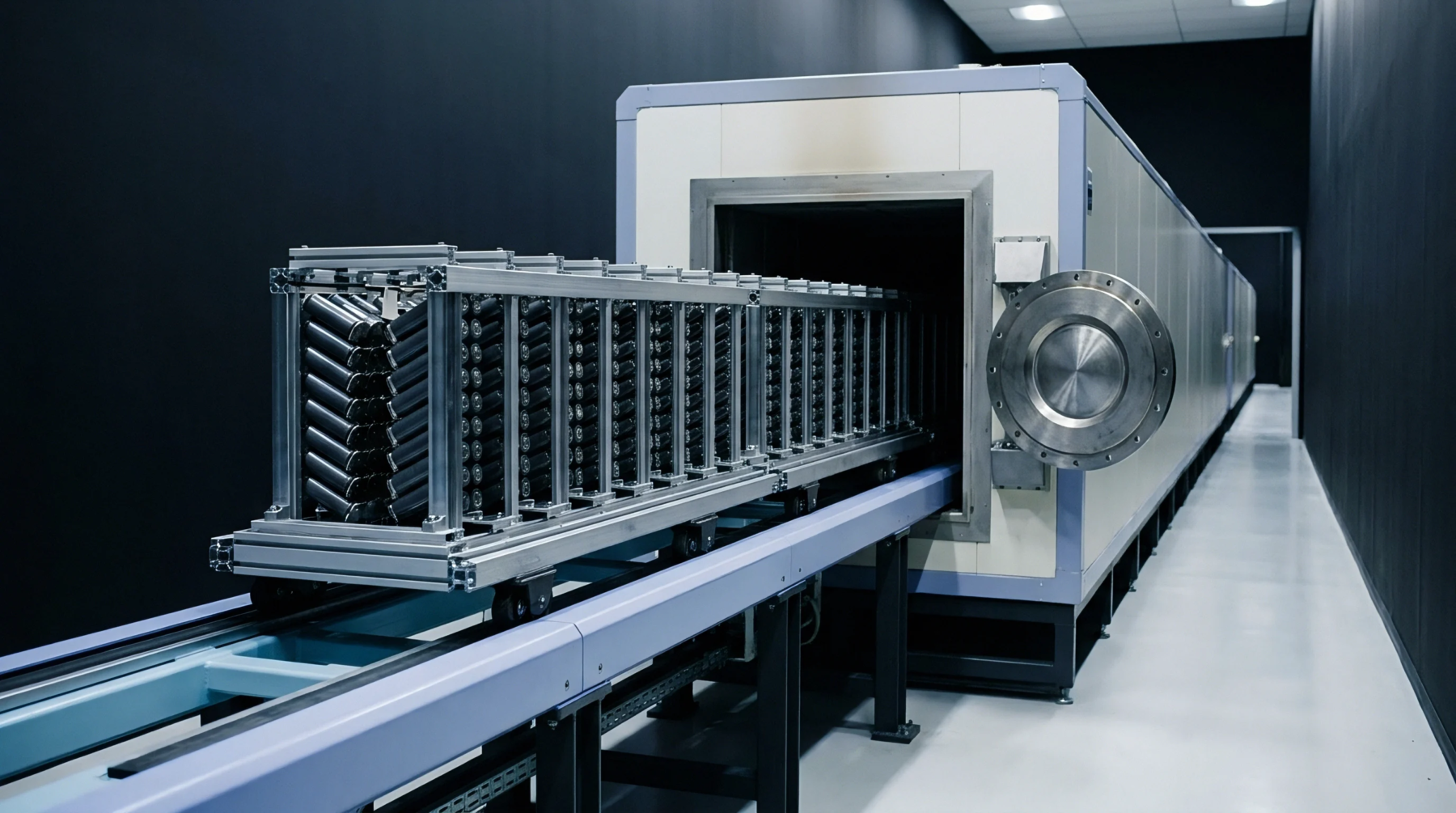
Thermally corrected degradation mode quantification decouples kinetic impedance masking from true lithium inventory loss to prevent false warranty claims.

Isothermal differential capacity peak extraction requires microvolt sampling and sub-0.1 kelvin bath control to quantify specific cell degradation modes.

Verify UN 38.3.5 summary authenticity and lab ISO 17025 scope before tendering battery cargo to prevent customs seizure and catastrophic demurrage.

Fast screening of manganese substituted LFP requires separating rate polarization from permanent capacity loss to prevent improper cell grading.

Sub-zero charging forces graphite anode potential negative, driving metallic lithium deposition, accelerating internal short risks, and invalidating safety transport certifications.
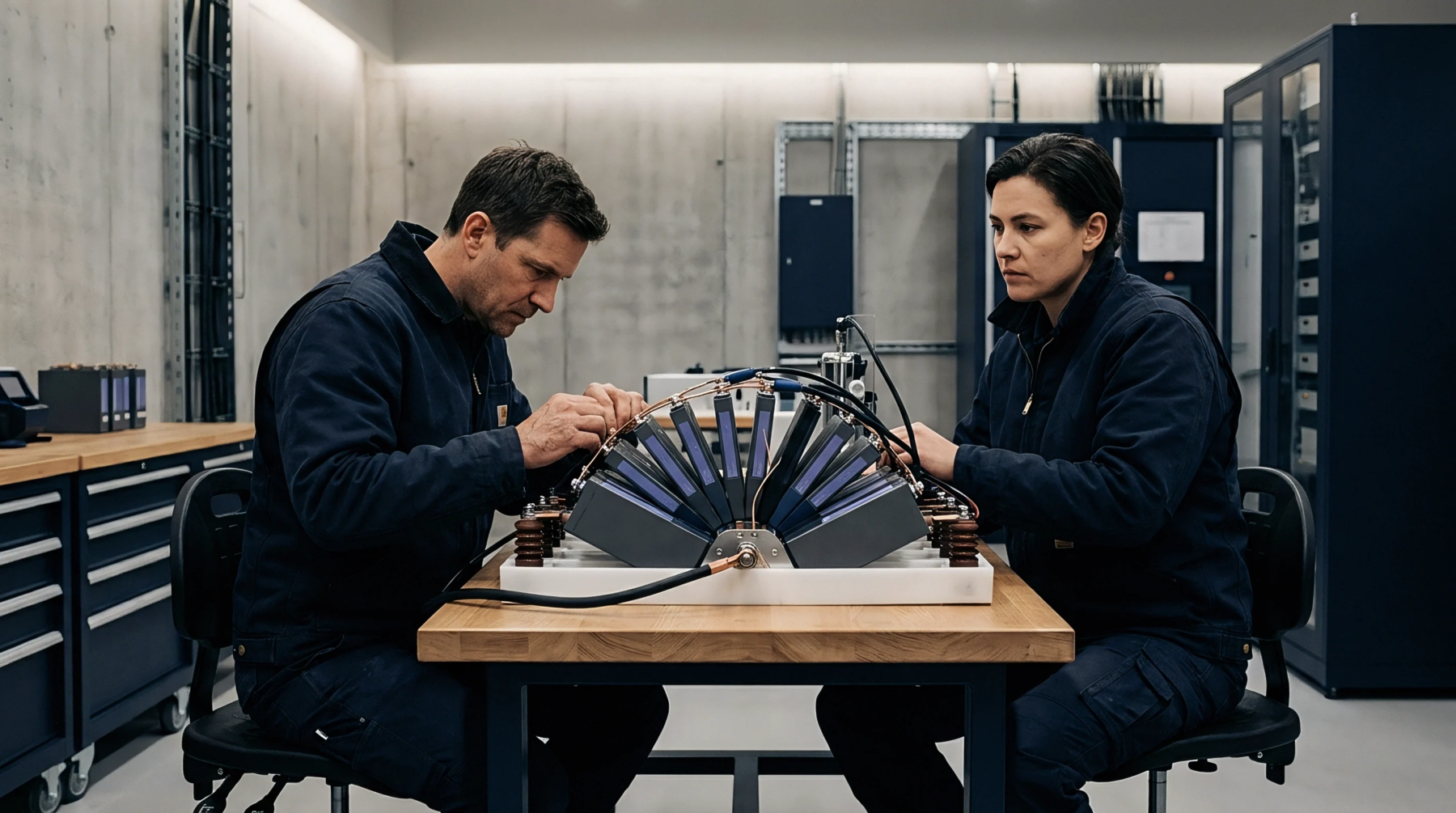
Procuring custom industrial battery modules requires locking cell format trade-offs, welding verification, and compliance files before amortizing tooling.

Operando fiber sensing decouples internal cell temperature and strain via multi-grating waveguides, detecting lithium plating onset before voltage deviations occur.

Uncorrected Soret diffusion in post-fast-charge diagnostics inflates measured SEI resistance by up to 40 percent, skewing life and safety dossiers.

Sub-microsecond test hardware synchronization requires carrier phase noise below -138 dBc/Hz at 10 kHz offset to keep channel timing jitter under 5 nanoseconds.

Prismatic cell spatial thermal gradients stem from anisotropic heat path resistance and tab current crowding, accelerating localized lithium plating and capacity fade.

Controlled initial reductive decomposition forms a dual-layer interphase that blocks electron tunneling while enabling lithium transport and transport compliance.

Transition metal dissolution at high voltages degrades anode interphases, demanding targeted lattice doping and analytical incoming batch audits to manage warranty risk.

Dynamic fast charging below zero degrees requires real-time overpotential feedback control to prevent lithium plating and maintain safety certification validity.

Operando NMR isolates trapped dead lithium during sub-zero fast charging, enabling quantitative plating prevention and dynamic charging algorithm design.

Format selection dictates tooling capital, cooling architecture, and mechanical containment: cylindrical cells minimize stack stress, while prismatic cells maximize spatial fill.

A UN 38.3 test summary requires ten mandatory data fields, lab accreditation validation, and exact serial batch matching to clear dangerous goods air freight.

Turnkey engineering secures enclosure tooling and BMS firmware control, while white label sourcing locks hardware design and shifts compliance risk.
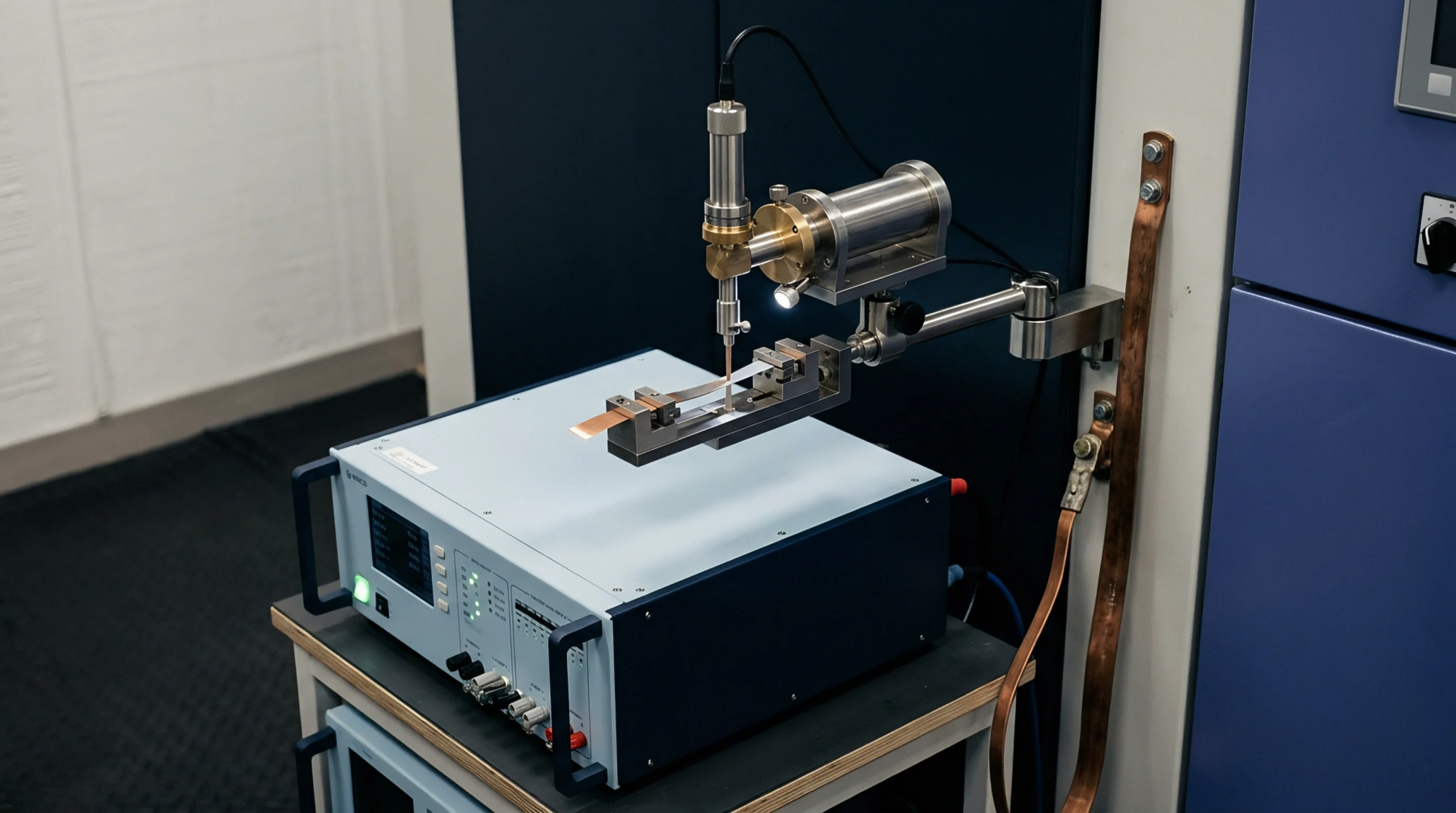
Optimal mechanical constraint extends lithium cell cycle life by suppressing electrode delamination while avoiding separator pore collapse and intergranular cathode fracture

Transporting lithium cells safely obligates buyers to match rigorous electrochemical characterization with enforceable contractual transport riders.

Fix format, compression pads, NRE tooling costs, and BMS regulatory boundaries before signing supply contracts to avoid costly re-tooling and unhedged liability.
Sub-zero lithium-ion charging without precise current derating triggers irreversible anode plating, driving immediate capacity loss and fire hazards.
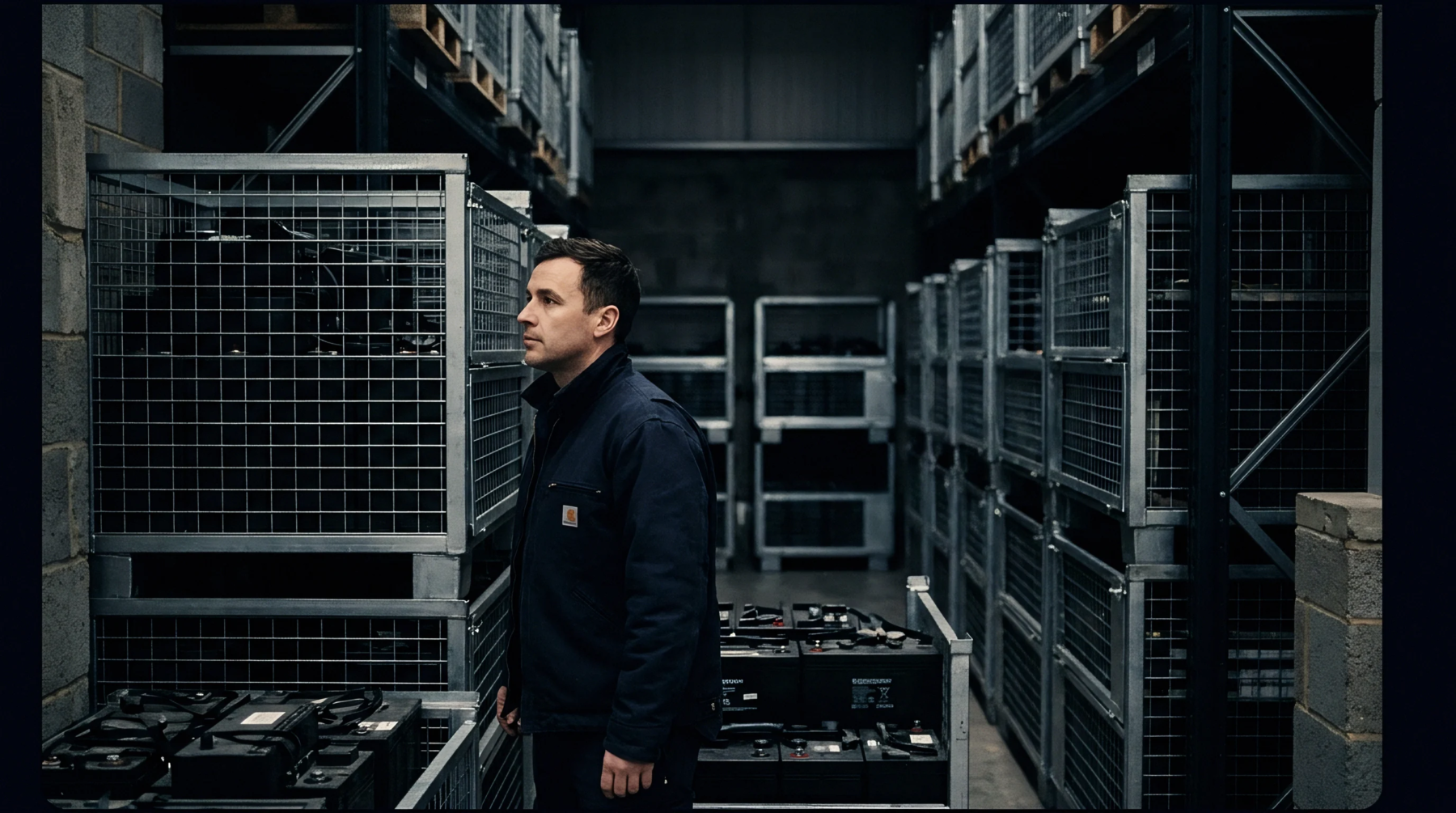
Datasheet shelf life claims hide permanent capacity loss and resistance growth; real storage stability demands dock impedance screening and temperature tracking.

Buying cells requires owning BMS development, weld quality, thermal isolation, and pack safety files; buying packs trades unit margin for transferred liability.
Expertise is a utility, not a secret. sentiention™ publishes its working knowledge as open reference: intelligence layer covering the materials it sources, the markets it enters, and the reference that serves both.