Meaning
Lithium battery safety assessment requires a physical durability evaluation to verify container integrity after rapid deceleration. This un 38.3 shock test monitors for venting, leakage, or rupture when the unit undergoes a specific acceleration force profile. The protocol serves to guarantee that cells survive the mechanical stresses inherent in air transport.
Mechanical Stress
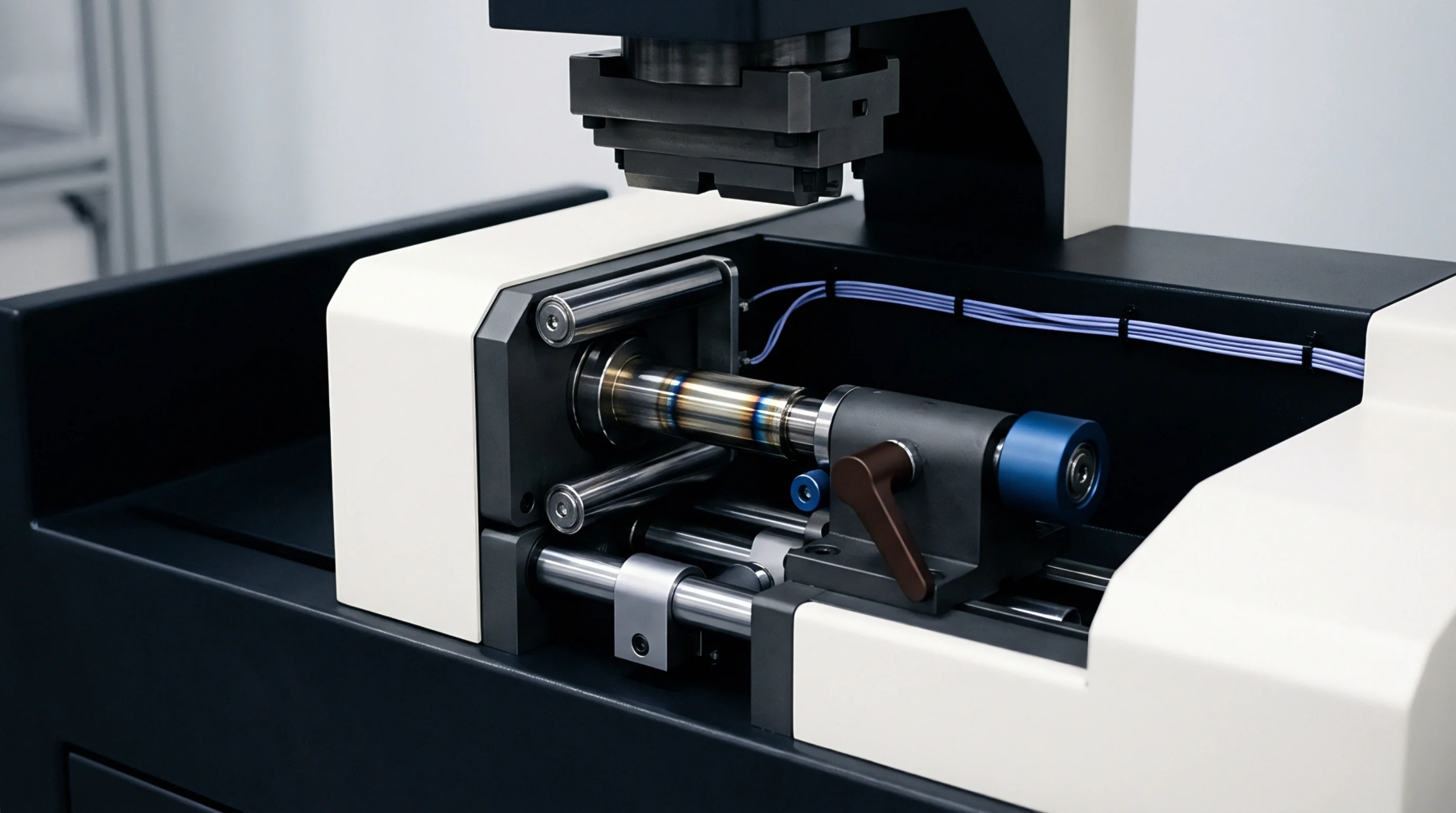
Acceleration pulses simulate the forces acting on a battery during ground handling or air travel. Laboratory technicians attach the device to a sled that accelerates along a linear track before hitting a hard stop. Engineers set the peak acceleration and pulse duration to mimic severe transit incidents while checking the voltage stability of the circuit.
Failure Criteria
Evidence of electrolyte leakage or mass loss indicates that a sample failed the safety limit. An open circuit or a rupture of the battery casing also necessitates immediate exclusion from shipping status. Professionals record these observations to confirm the internal structural stability of the pack.
Regulatory Scope
International air transport associations require this certification for all lithium metal and lithium ion battery shipments. Airlines mandate these results to prevent combustion events caused by damaged internal electrode stacks during flight. Compliance provides the threshold for safe movement across global logistics channels.