
Pouch Cell Heat Seal Micro-Void Detection and Transport Leak Resistance
Pouch cell heat seals require precise thermal pressing and non-destructive inline acoustic or helium screening to prevent micro-void leaks during transit.
Pouch cell heat seals require precise thermal pressing and non-destructive inline acoustic or helium screening to prevent micro-void leaks during transit.

Laboratory qualification of LiFePO4 cells demands precise mechanical clamping, strict IEC cycling regimes, and Arrhenius acceleration to verify true capacity retention.

Dynamic intra-cell thermal gradients generate thermoelectric voltage noise that masks lithium plating signals; decoupling algorithms isolate true stripping.

Structural warranty seams rely on precise pressure limits and micro-strain sensor telemetry to separate cell expansion defects from pack structural loading.

Cell format selection dictates pack thermal dissipation paths, stack compression mechanics, busbar welding tolerances, and compliance responsibility.
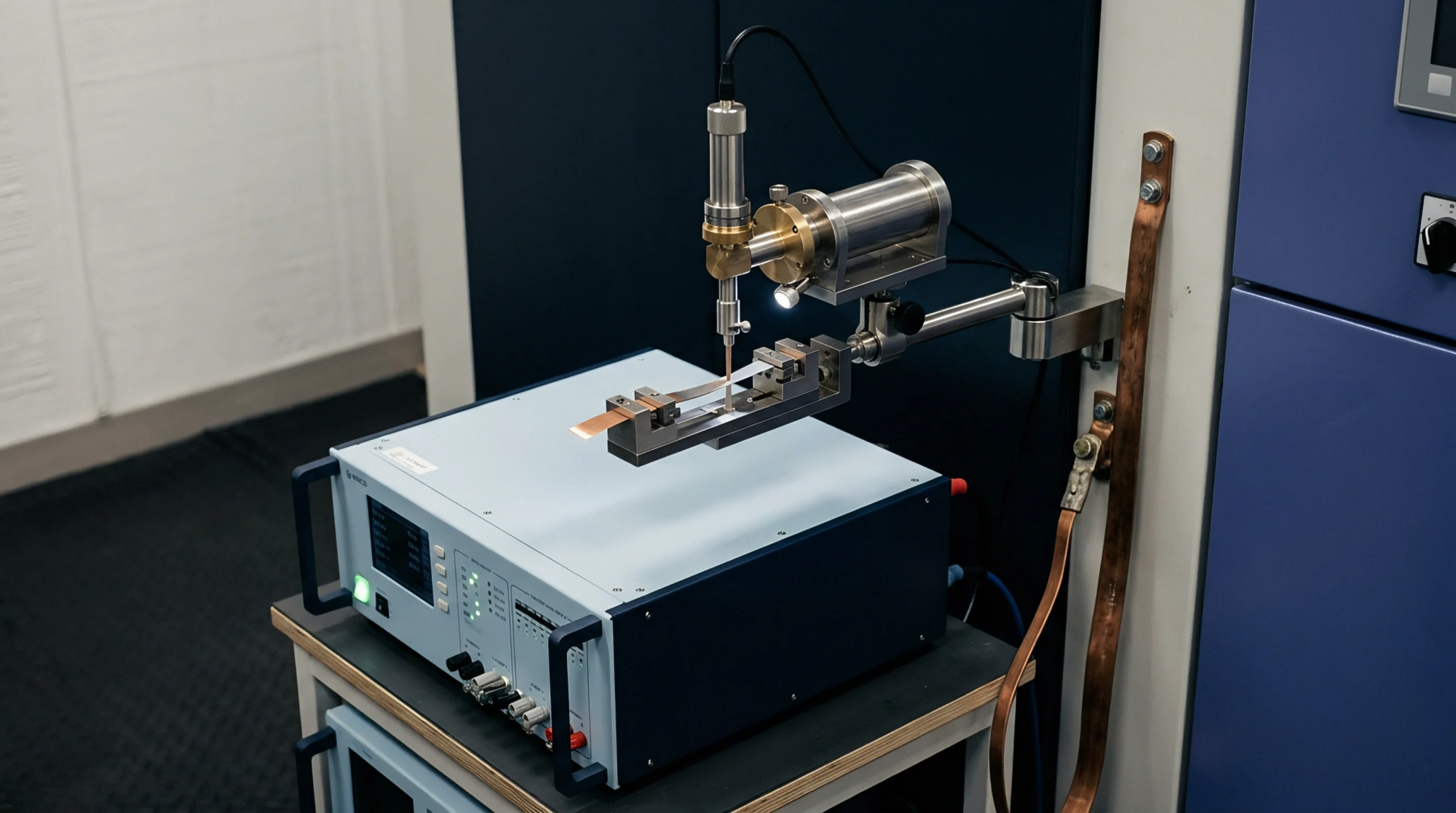
Optimal mechanical constraint extends lithium cell cycle life by suppressing electrode delamination while avoiding separator pore collapse and intergranular cathode fracture
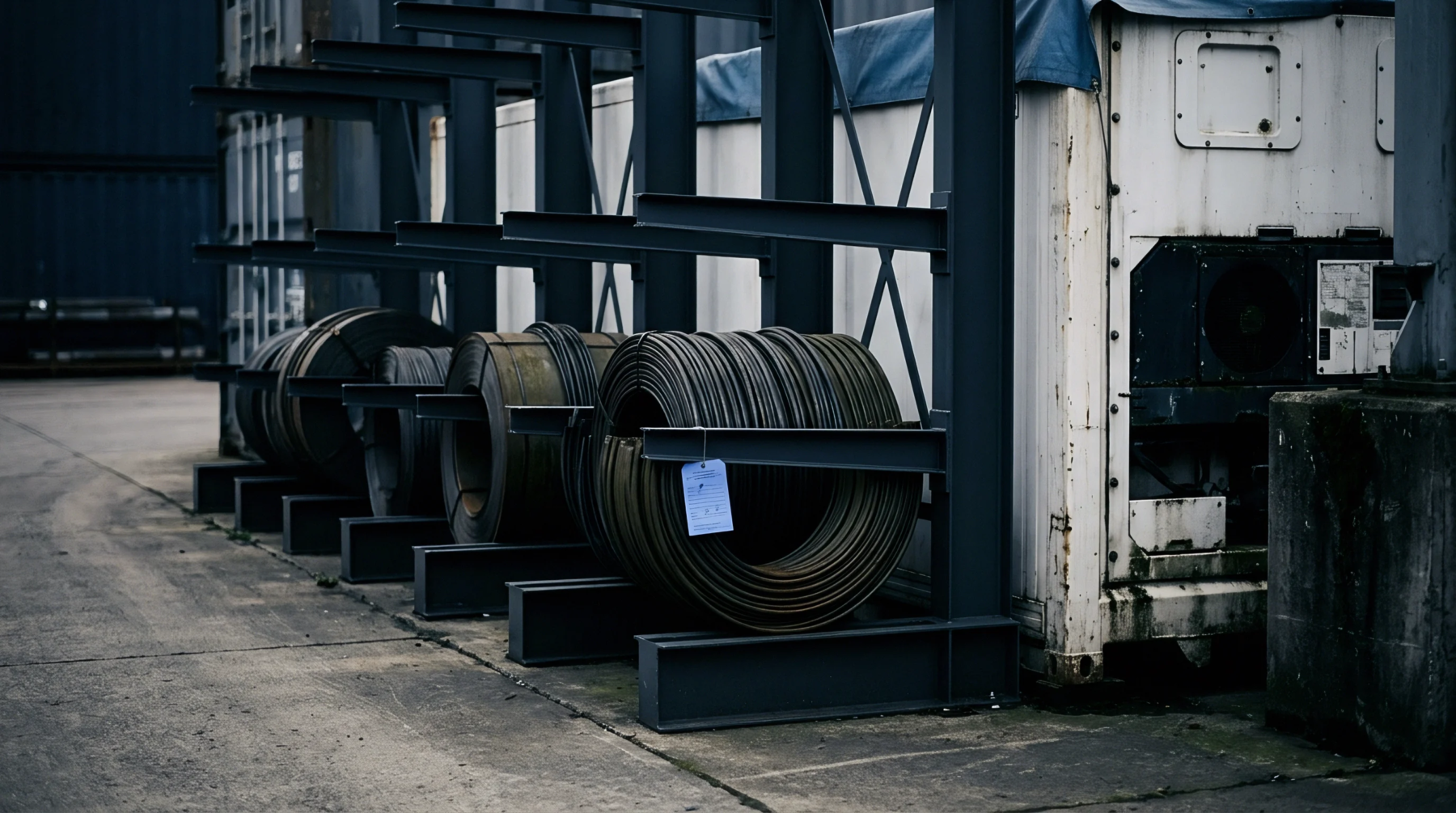
Microstructural separator pore collapse and gas evolution during pouch cell storage exponentially increase internal impedance and drive irreversible capacity scrap rates

Incoming cell lot clearance requires zero-acceptance sampling combined with temperature-controlled K-value screening to intercept latent internal micro-shorts.
Buying cells requires owning BMS development, weld quality, thermal isolation, and pack safety files; buying packs trades unit margin for transferred liability.
Expertise is a utility, not a secret. sentiention™ publishes its working knowledge as open reference: intelligence layer covering the materials it sources, the markets it enters, and the reference that serves both.