Meaning
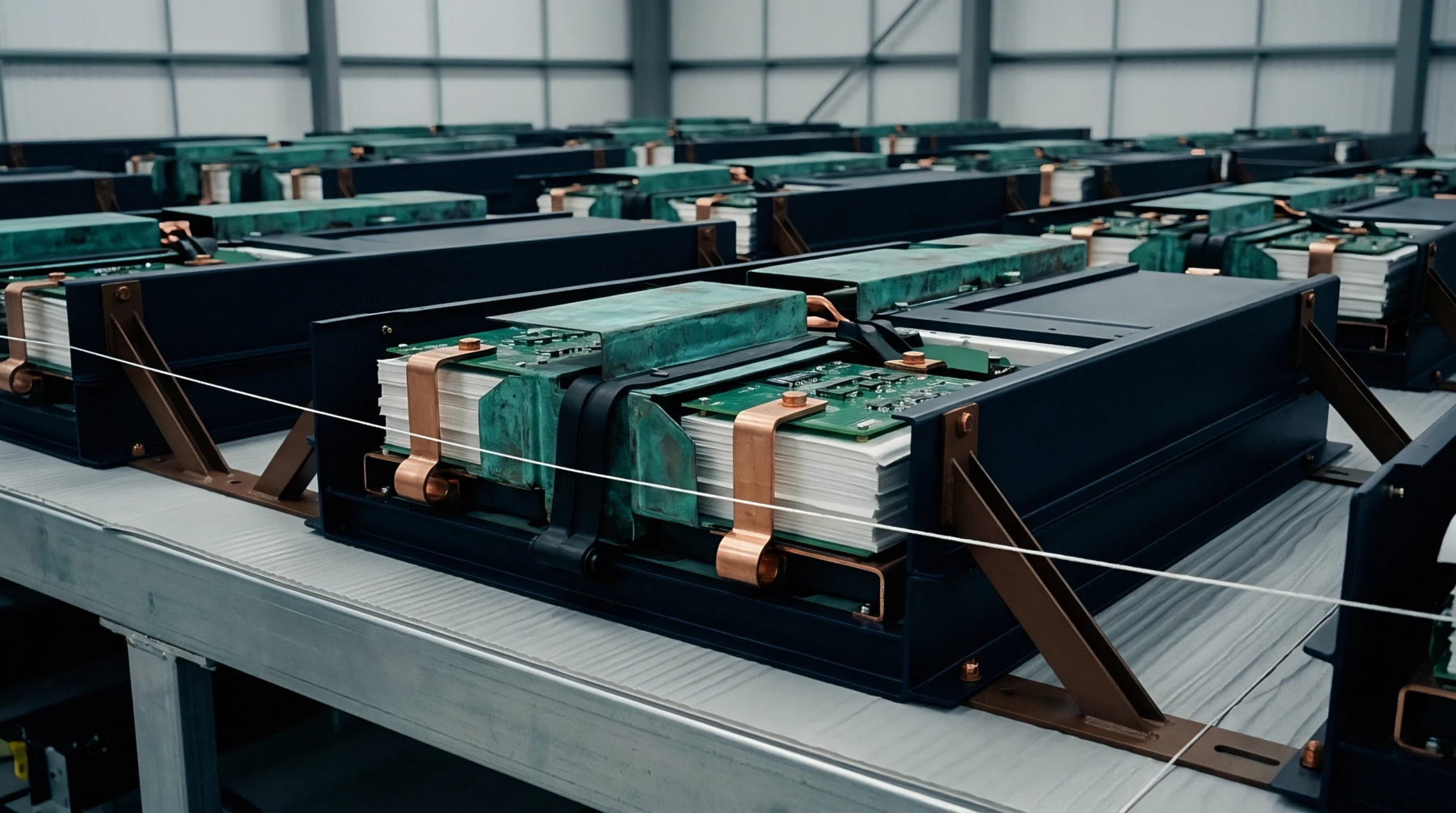
Dynamic mechanical accelerations and impacts experienced by a vehicle during operation define the structural demands on onboard components. Designing for the vehicle shock environment ensures that the battery pack can withstand potholes, curb strikes, and minor collisions. This setting dictates the peak force values that the battery housing, module frames, and cell connections must endure.
Failing to design for these forces can lead to rapid structural failure and electrical short circuits.
Dynamic Load
Road surfaces introduce multi-axis acceleration profiles that vary by vehicle type and drive cycle. The vehicle shock environment is typically characterized by high amplitude, short duration acceleration events. Engineers measure these events using triaxial accelerometers during test track runs.
Structural Impact
High g-force impacts cause transient bending stresses in the internal busbars. If the system is not designed to tolerate the vehicle shock environment, these transient stresses can fatigue the terminal welds. This results in intermittent electrical connectivity or high resistance.
Testing Validation
Laboratory shakers replicate the measured field data to verify design integrity. Physical prototypes are subjected to simulated vehicle shock environment tests along three orthogonal axes. This rigorous testing confirms that the internal cell mounting and busbar connections remain secure over the service life of the vehicle.