Solid State Battery Stack Pressure Requirements for Electric Vehicle Packs
Solid state EV cells require 0.1 to 5.0 MPa continuous stack pressure to prevent interfacial voiding, adding substantial module mass and complexity.
Mechanics
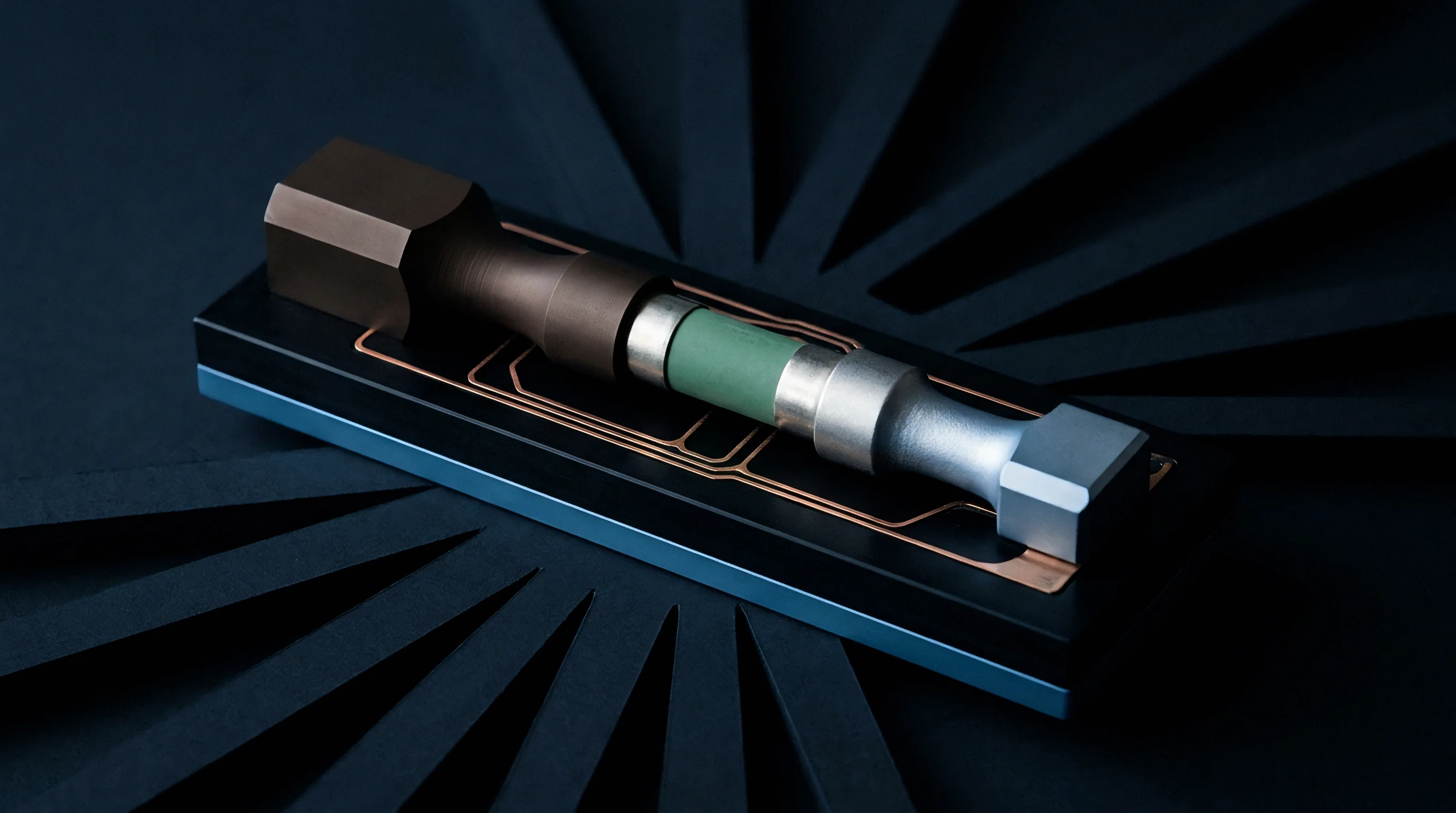
Solid state lithium metal cells operate across an electro-chemo-mechanical coupling that liquid cells never experience. When lithium leaves the negative electrode during discharge, the metal volume recedes, leaving microscopic cavities at the interface between the lithium foil and the solid separator. Without an external force pushing the negative electrode flat against the solid electrolyte layer, physical contact degrades within dozens of cycles, accelerating capacity fade.
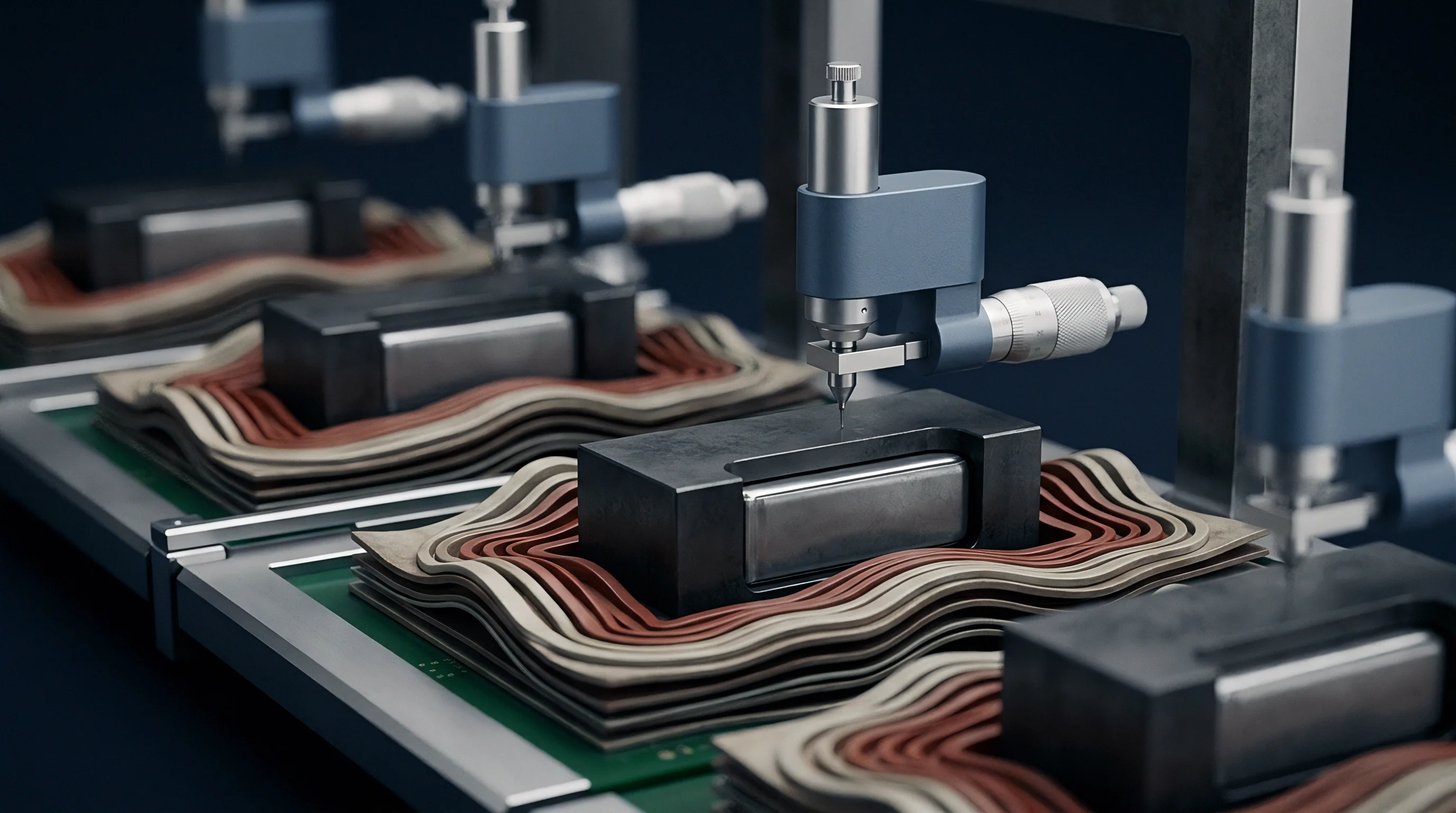
For vehicle pack design, the core challenge is maintaining uninterrupted mechanical load: cells with lithium metal anodes need between 0.1 megapascal and 5.0 megapascals of uniform stack pressure throughout service to curb interface voiding and block dendrites. Chemistries using sulfide solid conductors call for 1.0 to 5.0 megapascals, while halide and oxide systems run lower ~ between 0.1 and 0.5 megapascal when paired with alloy or silicon anodes. Because pouches swell as they charge, a 100-ampere-hour cell stack breathing against a rigid frame will generate localized loads above 10 megapascals unless the enclosure incorporates mechanical compliance.
Stack pressure across a 100-ampere-hour sulfide cell stack fluctuates by 1.8 megapascals between zero and one hundred percent state of charge under rigid mechanical constraint.
At 20 degrees Celsius, lithium metal yields around 0.8 megapascal. Above that point, the metal creeps under load and backfills the vacancy clusters that appear during high-rate stripping. Once stripping current densities pass 2.0 milliamperes per square centimeter, the outward flux of lithium outpaces its self-diffusion rate and leaves voids behind during discharge.
During the following charge, these microscopic pockets concentrate the local electric field, prompting lithium to nucleate at the void perimeters and push filaments through the grain boundaries of ceramic separators.

Coupled Interfacial Transport
Compressive loading forces plastic flow into interfacial gaps to preserve contact. Liquid electrolytes naturally wet electrode surfaces through capillary action and accommodate volumetric breathing without external hardware; solid separators, by contrast, depend entirely on solid-state contact mechanics governed by separator surface roughness and lithium yield kinetics.
The primary modes of mechanical degradation inside an active cell envelope follow three physical trajectories:
- Interfacial Void Nucleation occurs when the vacancy formation rate at the negative interface exceeds the lithium creep replenishment rate during discharge stages above 1.5 milliamperes per square centimeter.
- Separator Shear Fracture develops when non-uniform external pressure distributions create localized stress concentrations exceeding the fracture toughness limit of thin ceramic or sulfide membranes.
- Dead Lithium Isolation emerges when unconstrained volume contraction detaches metallic islands from the active circuit, permanently stranding active lithium stock.
The composite cathode faces comparable dimensional strain. Cathode active materials like nickel-manganese-cobalt oxides expand and contract by 2.0 to 6.5 percent during cycling. This breathing shears the interface between active material grains and solid electrolyte particles, sending microcracks through the cathode and interrupting ion pathways.
Maintaining continuous stack pressure holds these interfaces together, preserving the percolation networks in the composite electrode over thousands of cycles.
Electrolyte
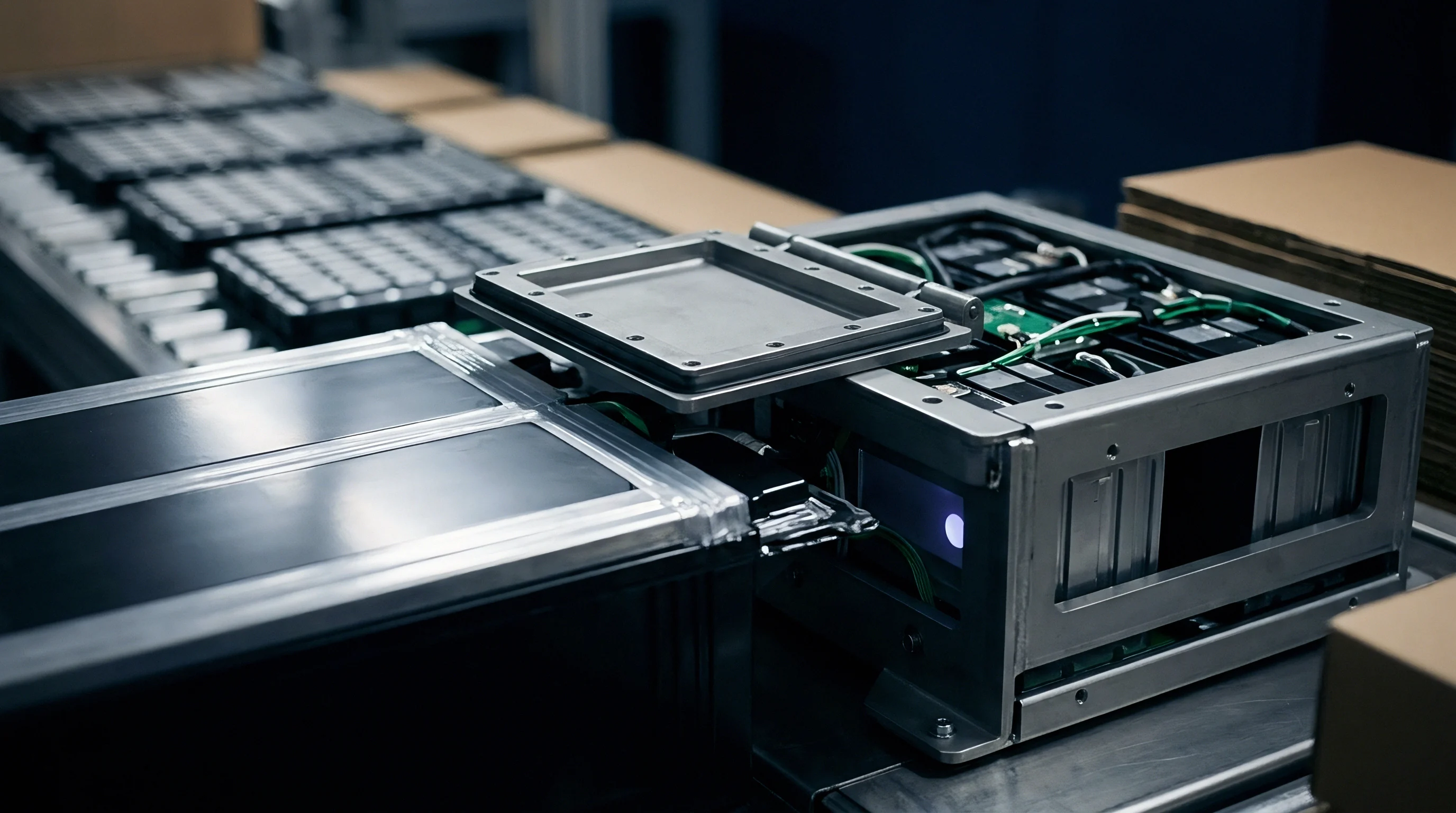
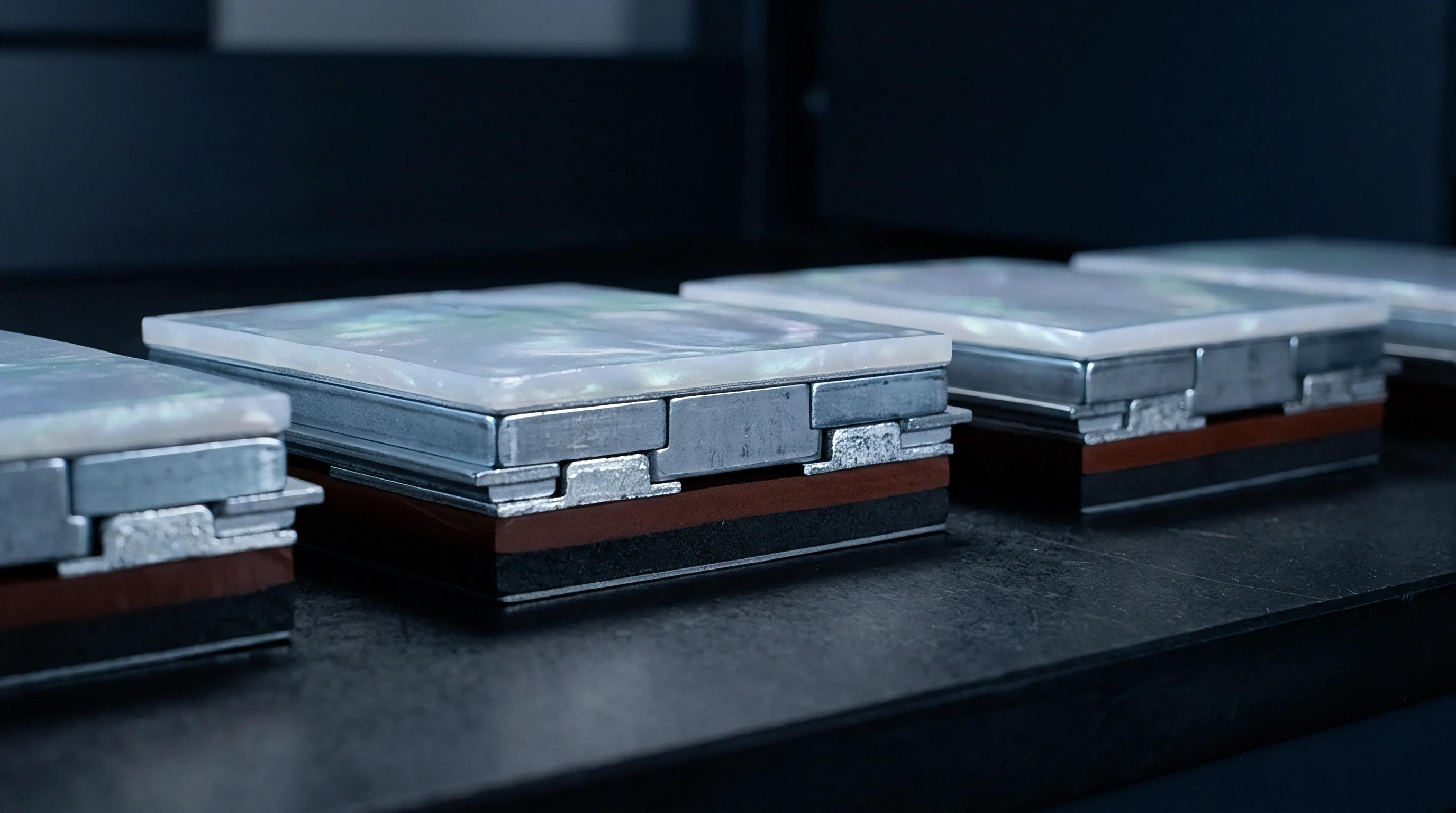
A pack’s containment structure is largely dictated by separator chemistry. The field groups into four primary families ~ sulfides, oxides, halides, and solid polymers ~ each with distinct elastic properties, shear moduli, and interfacial contact impedances that determine how much external force the stack requires.
| Electrolyte Class | Representative Chemistry | Young Modulus (GPa) | Stack Pressure Window (MPa) | Cell Swelling Ratio |
|---|---|---|---|---|
| Sulfide Glass-Ceramic | Li10GeP2S12 / Li6PS5Cl | 18 to 25 | 1.0 to 5.0 | 8% to 15% |
| Oxide Garnet | Li7La3Zr2O12 (LLZO) | 150 to 170 | 0.1 to 0.7 | 2% to 5% |
| Halide | Li3InCl6 / Li3YCl6 | 20 to 35 | 0.5 to 2.0 | 4% to 8% |
| Polymer Composite | PEO + LiTFSI + Ceramic | 0.001 to 0.01 | 0.2 to 1.0 | 5% to 12% |
Sulfide electrolytes like lithium phosphorus sulfur chloride argyrodites deliver room-temperature ionic conductivities above 5.0 millisiemens per centimeter. With a Young modulus near 20 gigapascals, they are soft relative to oxides. Although sulfide separators fracture readily under tension, argyrodite layers yield under compression, which helps establish initial particle contact during calendering.
Even so, operating cells require sustained high pressure to prevent voiding because the electrochemical stability window against lithium metal is narrow, and the passivating interphases crack if compression eases.

Oxide and Halide Boundaries
Oxide electrolytes are exceptionally rigid, with garnet structures exhibiting elastic moduli above 150 gigapascals. Clamping an oxide plate under several megapascals introduces severe structural risk: minor particulate contamination or slight thickness variations generate bending moments that shatter brittle ceramics. Consequently, oxide stacks operate under light loads ~ 0.1 to 0.5 megapascal ~ often relying on thin interlayers of silver-carbon or gold to bridge surface asperities without heavy mechanical clamping.
Field capacity loss often stems from pack clamping fixture misalignment alongside intrinsic solid electrolyte separator defects.
Halide conductors balance chemical stability against high-voltage cathodes with moderate stiffness, yielding at lower pressures than oxides and cycling reliably around 1.0 megapascal. Polymer systems, meanwhile, need operating temperatures between 60 and 80 degrees Celsius to reach conductivities above 0.1 millisiemens per centimeter. At those temperatures the matrix softens considerably, leaving it vulnerable to creep and short circuits if pressure exceeds 1.5 megapascals.
Technical claims that proprietary coatings eliminate cell pressure requirements under atmospheric conditions conflict with test logs, which show stripping current falling below 0.5 milliampere per square centimeter once pressure drops beneath recommended levels, cutting cell life short.
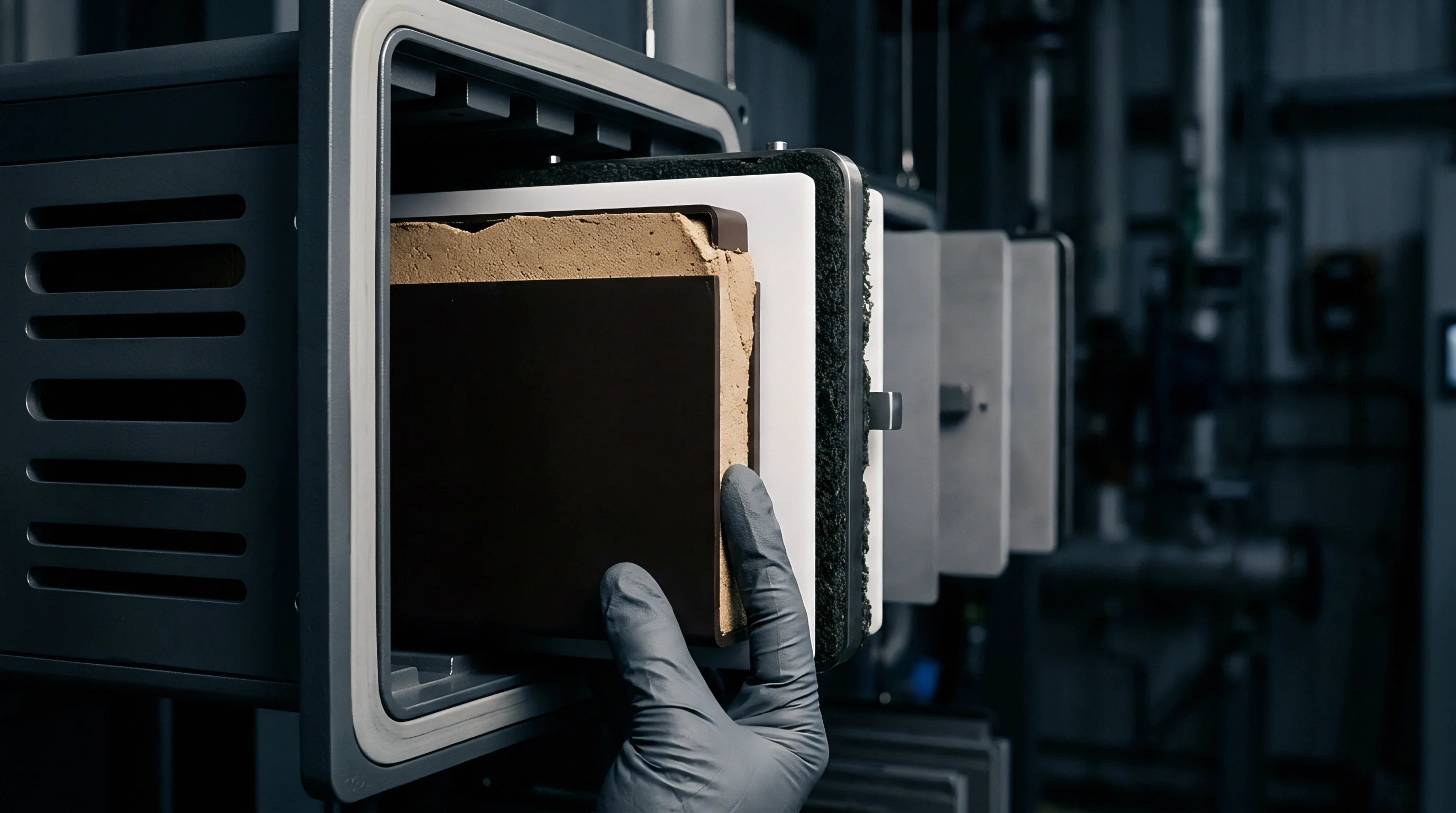
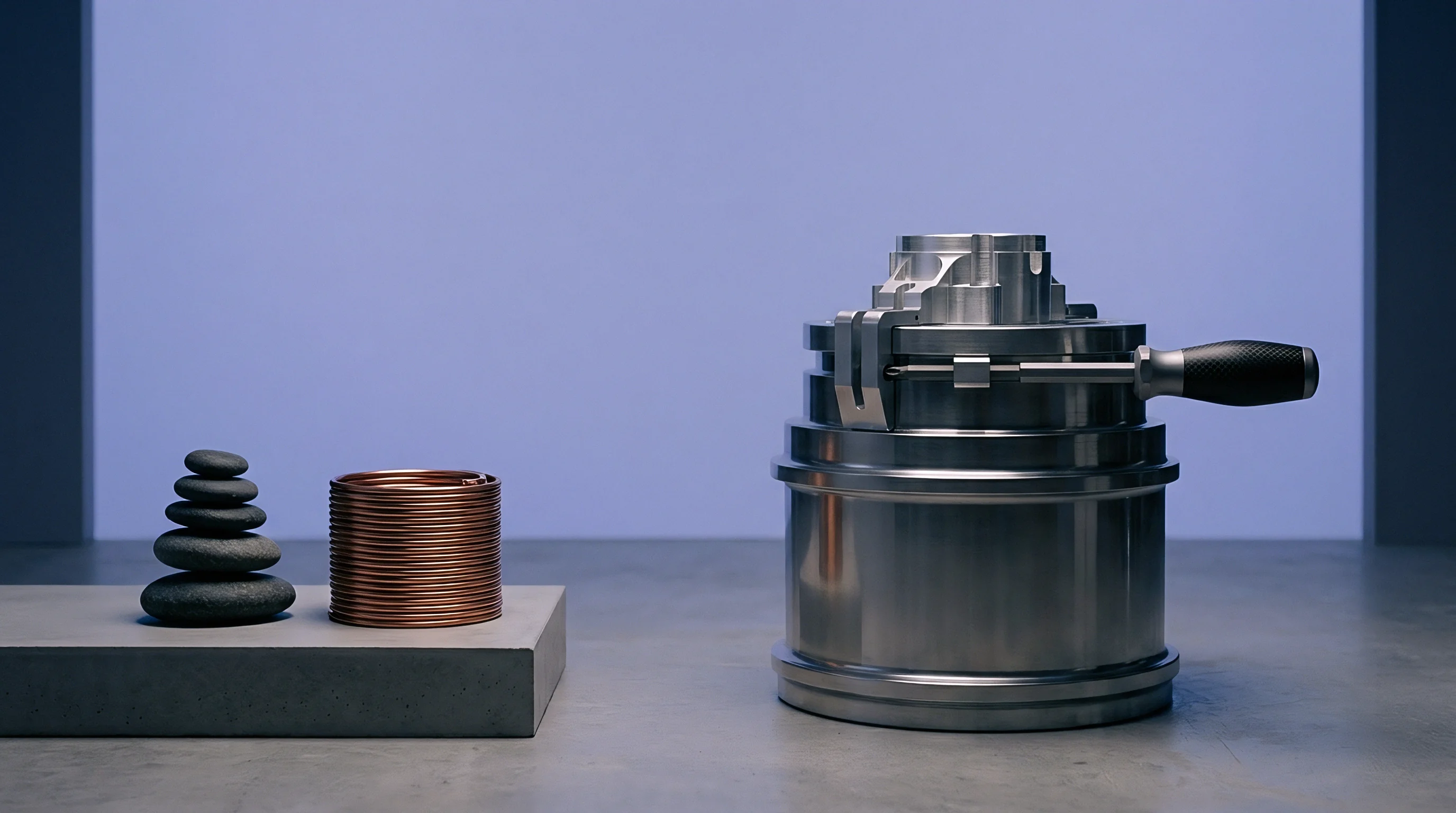
Clamp
Managing the dimensional breathing of pouch stacks requires purpose-built containment hardware. In a 100-kilowatt-hour traction pack containing 200 large-format pouch cells, active stack thickness totals roughly 1.5 meters. With cell expansion reaching ten percent, that stack expands and contracts by 120 to 150 millimeters across full charge-discharge cycles if lithium plating occurs without constraint.
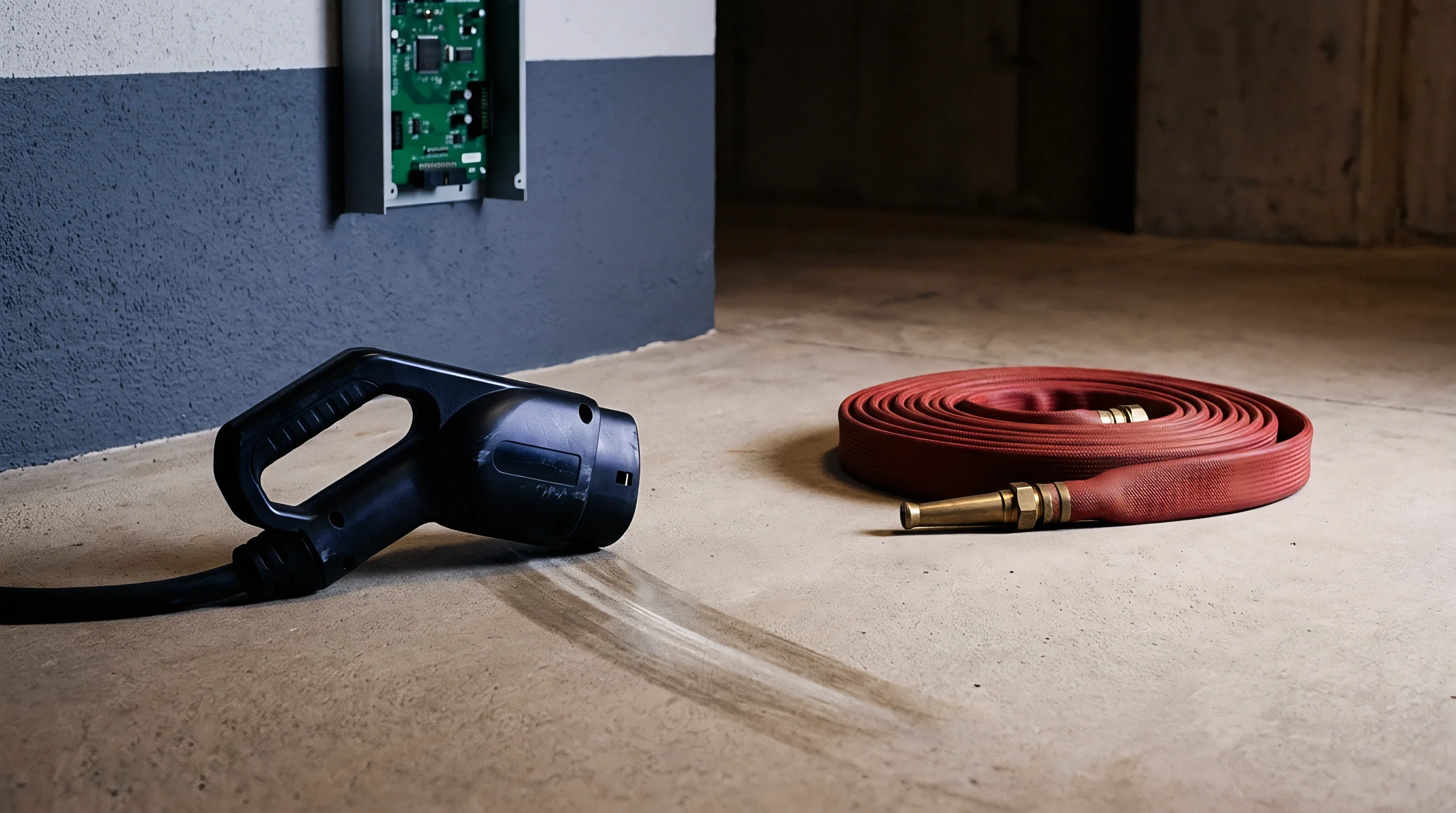
Could Dynamic Clamping Mitigate Solid State Creep?
Passive clamping architectures rely on high-strength steel tie rods anchoring rigid endplates through Belleville disc spring stacks. As cells swell during charge, the springs compress, taking up displacement as force tracks up the stiffness curve. A linear spring rate drives up contact load as the cell charges ~ taking a pack planned for 1.0 megapascal at full discharge up to 2.5 megapascals at full charge ~ and causes endplates to deflect under the peak load.
Active hydraulic or pneumatic clamping maintains flat isobaric conditions across the charge cycle by adjusting fluid volume in an elastomeric bladder beside the modules. This removes pressure peaks and protects cells from over-compression during fast charging. However, the associated pumps, valves, lines, and fluid reservoirs create leak risks and add chassis weight, leading most vehicle programs to favor passive springs with nonlinear stiffness profiles.
| Design Metric | 0.1 MPa Baseline | 1.0 MPa Low-Load | 5.0 MPa High-Load |
|---|---|---|---|
| Module Structural Mass | 18 kg | 54 kg | 142 kg |
| Endplate Thickness | 6 mm Aluminum | 22 mm Aluminum | 45 mm Forged Steel |
| Tie Rod Diameter | M6 Grade 8.8 | M12 Grade 10.9 | M20 Grade 12.9 |
| Pack Mass Penalty | 2.1% | 6.8% | 18.4% |
| Pack Volumetric Efficiency | 68% | 59% | 44% |
The structural mass required to hold pressure erodes the stack-level gravimetric density of solid-state cells. A pouch cell delivering 400 watt-hours per kilogram under a laboratory press requires substantial forged-steel endplates and heavy tie rods to limit deflection across a 300-millimeter by 100-millimeter cell face at 5.0 megapascals. The added spring hardware drops module-level energy density from 400 watt-hours per kilogram to 310 watt-hours per kilogram, matching high-nickel liquid cells housed in standard aluminum enclosures.
Structural failure inside the compression frame leads directly to module rupture, cell shorting, and subsequent battery pack destruction during service.

Regulation
Moving solid state cells across borders brings strict compliance requirements under the UN Manual of Tests and Criteria, Section 38.3. This protocol evaluates whether cells survive altitude exposure, thermal cycling, vibration, mechanical shock, external short circuits, impact, crush, overcharge, and forced discharge without opening or igniting.
Is Unconstrained Type Testing Valid for Solid Cells?
Pouch cells built for solid-state operation cannot undergo electrical abuse testing unconstrained. Tests T.5 for external short circuits and T.7 for overcharge both apply electrical stress at ambient temperature; an unrestrained sulfide pouch delaminates rapidly under initial heating, triggering internal arcing.
UN Manual of Tests and Criteria Section 38.3 requires identical physical constraint during laboratory testing as specified for end-use integration.
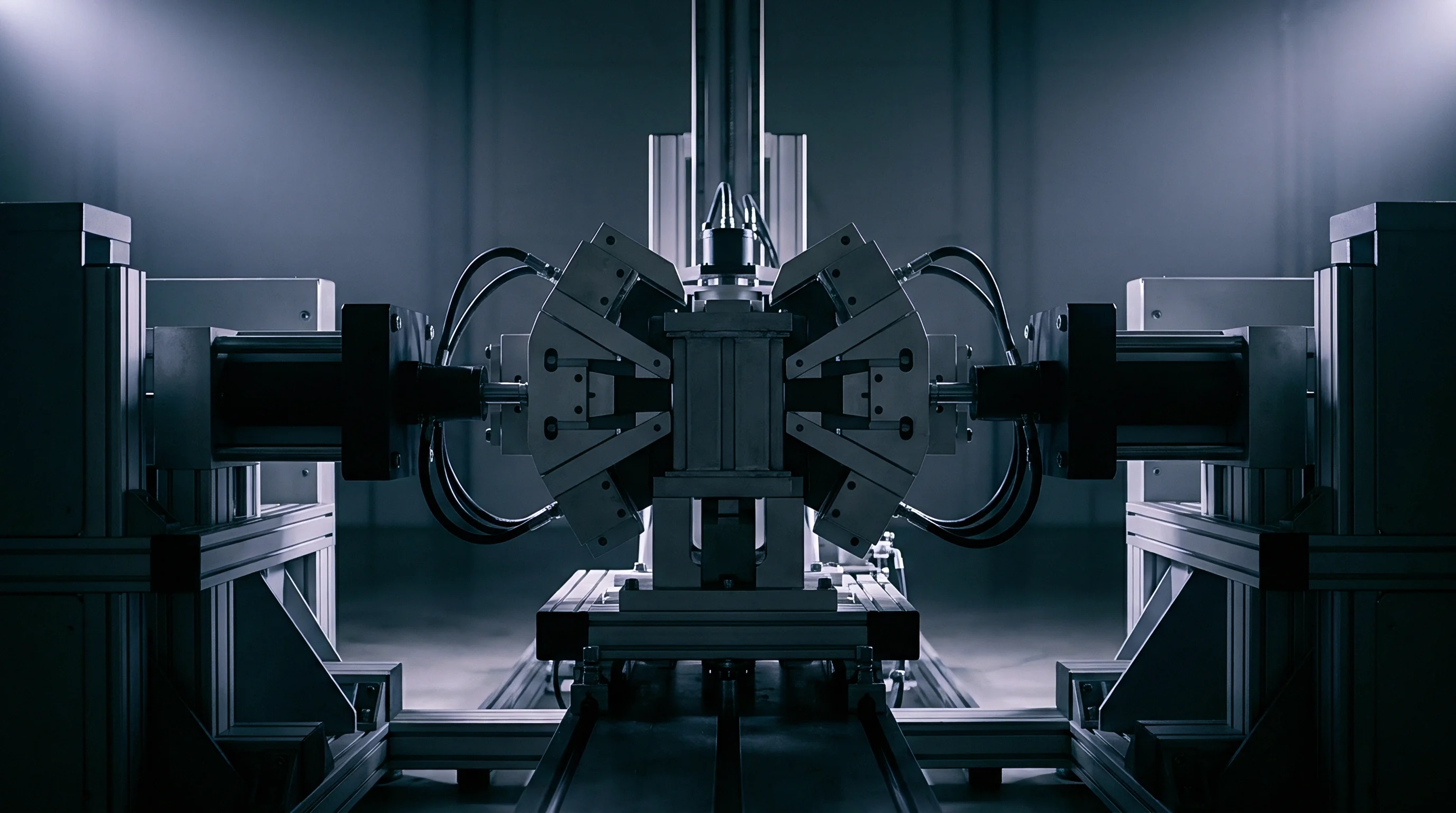
Carriers and certification bodies examine cell mechanical state during type approval, requiring test labs to fabricate rigid steel jigs that maintain the manufacturer’s specified stack pressure during vibration and thermal sweeps. Under transport rules, lithium metal cells ship as UN 3480 or UN 3481 Class 9 dangerous goods. Transporting a module clamped at 2.0 megapascals by loaded springs introduces mechanical potential energy hazards alongside chemical risks.
The evaluation workflow verifies whether a solid state shipment complies with international road, maritime, and air regulations:
- Fixture Design Verification confirms that the test fixture used for UN 38.3 certification applies force matching the cell manufacturer installation manual.
- Thermal Cycle Inspection subjects the restrained module to ten cycles between 72 degrees Celsius and minus 40 degrees Celsius under continuous pressure logging.
- Mechanical Shock Assessment executes half-sine shock pulses reaching 150 times gravity acceleration along three orthogonal axes to verify clamping bolt preload.
- Vibration Profile Exposure runs random vibration tests between 7 and 200 Hertz for three hours per axis to ensure tie rods retain thread engagement.
- Test Summary Execution delivers the signed document containing the cell model, mass, lithium content, test lab accreditation, and constraint parameters.
In Europe, ECE Regulation 100.03 dictates pack safety certification, with Clause 6.4 evaluating crush resistance and integrity under dynamic vehicle impact. An energized solid-state pack under internal preload responds differently to impact deceleration than a conventional pack; as tie rods stretch over thermal cycles, internal tension directly lowers the frame’s remaining capacity to absorb external collision loads.
Under ADR 2023 packing instruction P903, shipping both production lots and prototypes requires explicit documentation of restraint hardware, leaving uncompressed prototype cells stranded at freight gates.
Degradation
Stack pressure falls off over pack operating life through mechanical relaxation, differential thermal expansion, and material creep. The containment structure absorbs cyclic stress driven by battery cycling alongside ambient temperature swings between minus 30 degrees Celsius and plus 55 degrees Celsius.
Lithium creeps rapidly under constant compression. Across hundreds of cycles, lithium migrates toward micro-scale fissures near separator borders, making cell thickness uneven across the face. Edge bulging concentrates mechanical stress along pouch perimeters, where local pressure drops cause delamination.
The following parameters accelerate stack pressure loss inside vehicle containment boxes:
- Belleville Washer Creep reduces mechanical clamp preload following extended operation at pack temperatures exceeding 45 degrees Celsius.
- Tie Rod Thread Slip introduces micro-clearances across the retaining hardware under repetitive highway road shock and high-frequency vibration.
- Separator Creep Thinning decreases solid electrolyte thickness under sustained five-megapascal loads, reducing initial spring displacement over time.
- Thermal Expansion Variance between steel tie rods and aluminum module frames causes load relaxation during cold-weather storage.
Interfacial impedance reacts immediately: dropping pressure from 2.0 megapascals to 0.4 megapascal across an argyrodite cell doubles area-specific resistance from 15 ohm-square-centimeters to over 30 ohm-square-centimeters and precipitates premature short circuits. Battery management software interprets this impedance spike as capacity degradation, throttling charging current to prevent lithium plating.
Engineers lack longitudinal fleet data establishing whether low-pressure operating regimes can sustain uniform contact interfaces across eight-year vehicle duty cycles without inducing catastrophic separator puncturing.
Procurement
Supply agreements for solid state cells require explicit definitions of interface mechanics, operating boundaries, and fixture parameters. Procurement teams assembling requests for quotation must separate intrinsic cell capacity from the mechanical constraints needed to realize that performance.
Cell specifications must define nominal operating pressure, maximum transient load during fast charge, and minimum pressure during storage. When stack pressure drifts, delivered capacity falls short: if a cell datasheet claims 1,000 cycles to 80 percent retention at 25 degrees Celsius, the warranty clause specifies fixture stiffness, allowable pressure variation, and platen flatness. Operating outside these structural limits gives cell manufacturers grounds to void cycle-life commitments.
Battery warranties dissolve whenever module clamping deviation exceeds ten percent of the supplier interface specification.
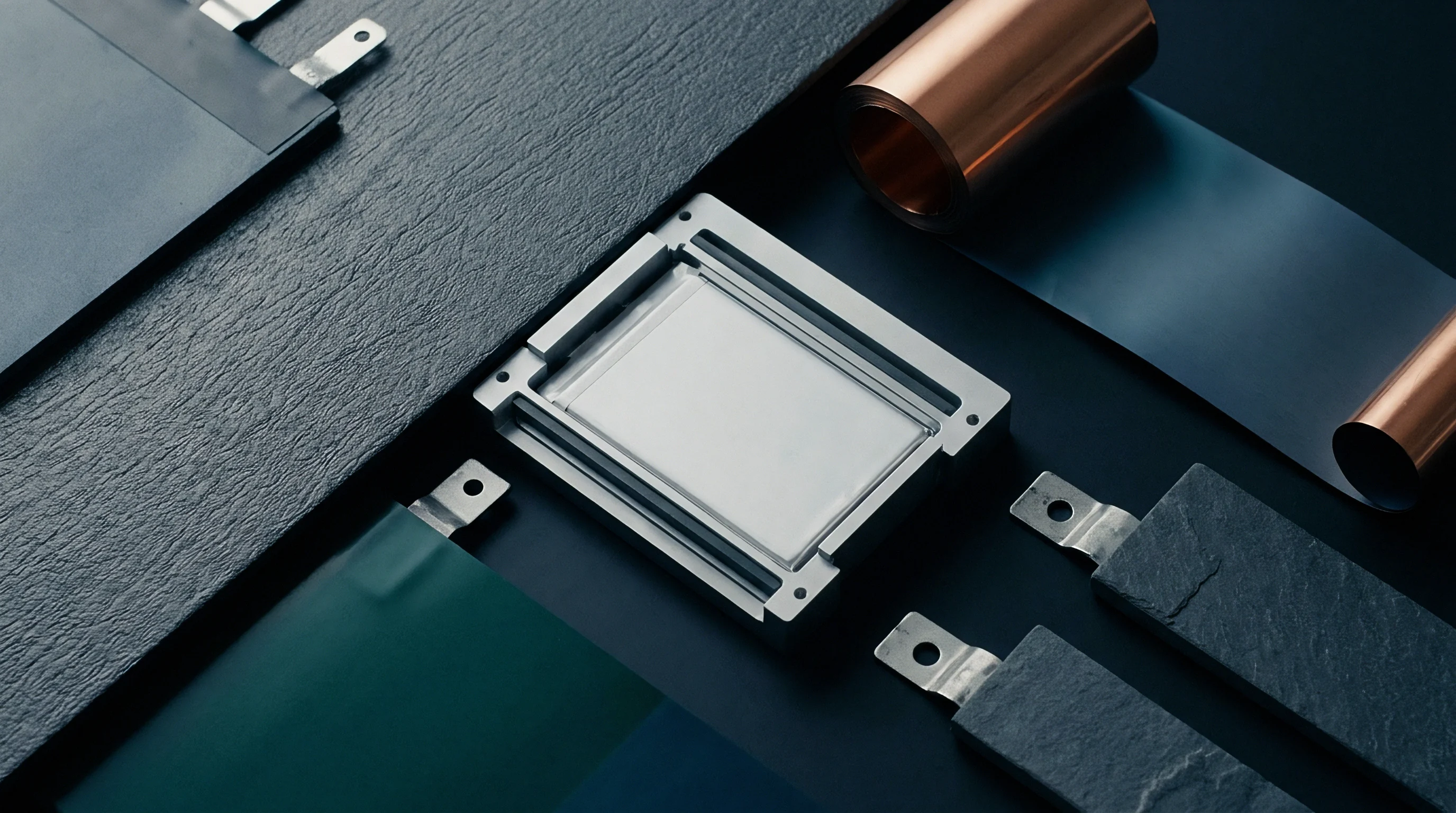
Incoming inspection demands specialized test setups, as quality teams cannot validate capacity using standard open-shelf test racks. Receiving facilities use pneumatic test nests with calibrated, multi-point load cells to confirm uniform force application across the pouch face. Variations exceeding five percent across the active surface trigger lot rejections, since low-pressure zones foster dendrite growth during formation cycling.
A continuous load profile sustained across the entire active surface guarantees that the cell meets its warranted cycle life.