Meaning
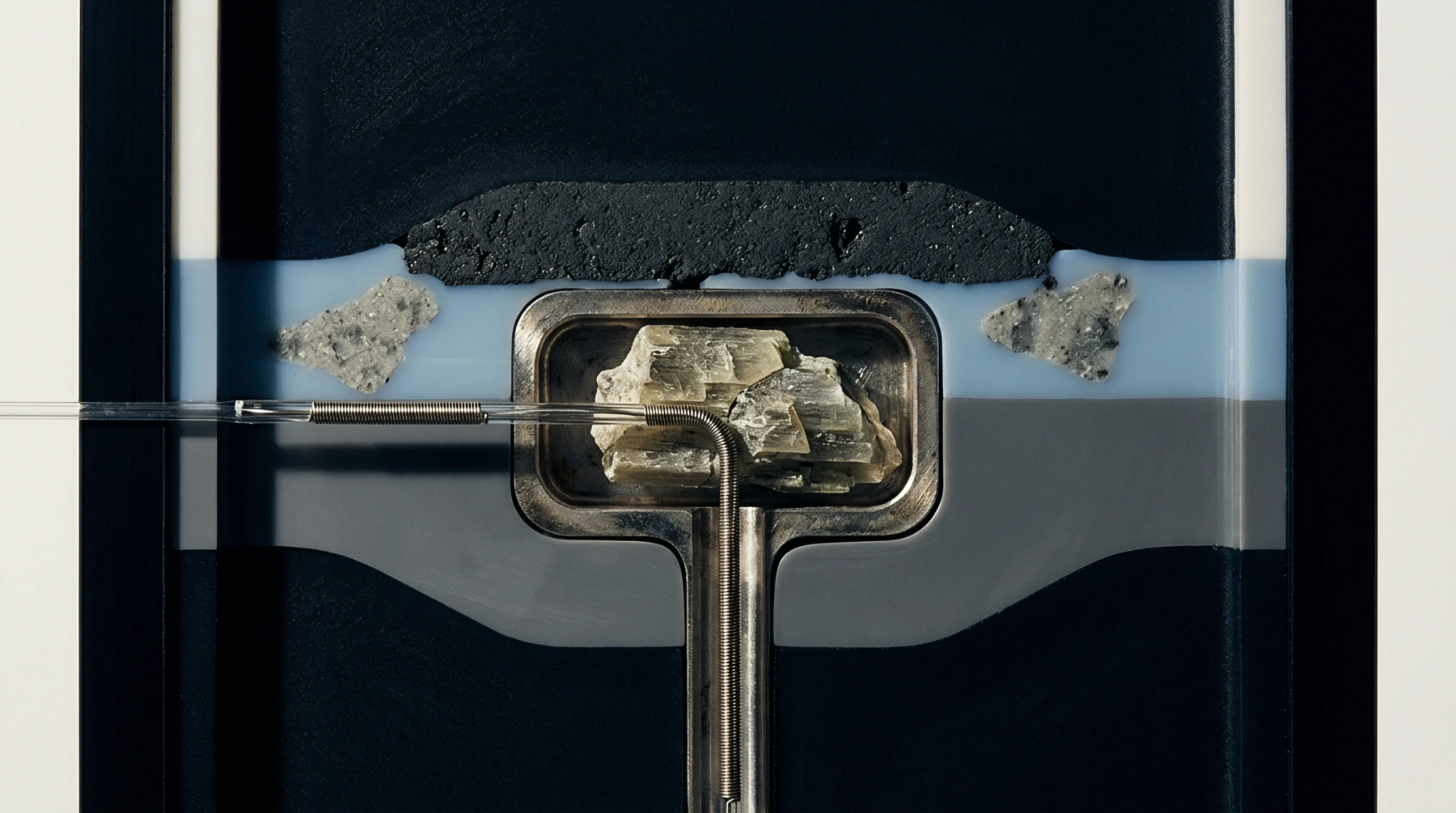
Microscopic voids within a solidified weld pool reduce the effective cross-sectional area of a metal joint. This weld porosity occurs during the laser or ultrasonic welding of cell terminals to copper and aluminum busbars, often because of trapped gases or surface contaminants. High levels of these voids compromise the mechanical strength and electrical conductivity of the junction.
Pore Formation
Rapid cooling of the molten metal during laser welding prevents vaporized gases from escaping before solidification. This entrapment creates cavities within the weld bead. Terminals must be thoroughly cleaned before welding to eliminate these contaminant sources.
Electrical Consequence
Electrical degradation results from the reduced conductive area of a porous weld joint. Since the electric current must bypass these internal voids, the local contact resistance rises, and this increases the heat generated during high-discharge cycles. Thermal hotspots can damage the surrounding cell insulation and initiate early battery degradation, which can eventually lead to terminal disconnection or thermal events under fast-charging loads.
Quality Audit
Quality testing during cell-to-module assembly relies on laser profiling and electrical resistance measurements to screen for joint defects. Automated optical systems inspect the surface of the weld, while online resistance checkers confirm that each terminal connection meets the milliohm threshold. These combined methods prevent weak joints from entering the final pack assembly.