Meaning
Conservative design methodology evaluates the maximum potential variance of an assembled system by assuming all individual components are manufactured at their extreme tolerance limits simultaneously. This analysis technique is referred to as worst case calculation, and it establishes the absolute boundaries of mechanical and electrical performance. It guarantees that any assembly built from parts within tolerance will function correctly, regardless of how the part dimensions combine.
The approach is used for critical safety interfaces where failure cannot be tolerated under any circumstances.
Design Margin
Using this conservative approach often results in a design that is heavier and more expensive than one designed using statistical methods. Because the worst case calculation assumes the most unfavorable combination of dimensions, it requires larger clearances and thicker walls than are typically needed. Designers use this method to ensure that high-voltage terminals cannot come into contact with grounded metal casings under any possible combination of part sizes.
It ensures absolute safety at the expense of optimization.
Tolerance Stack
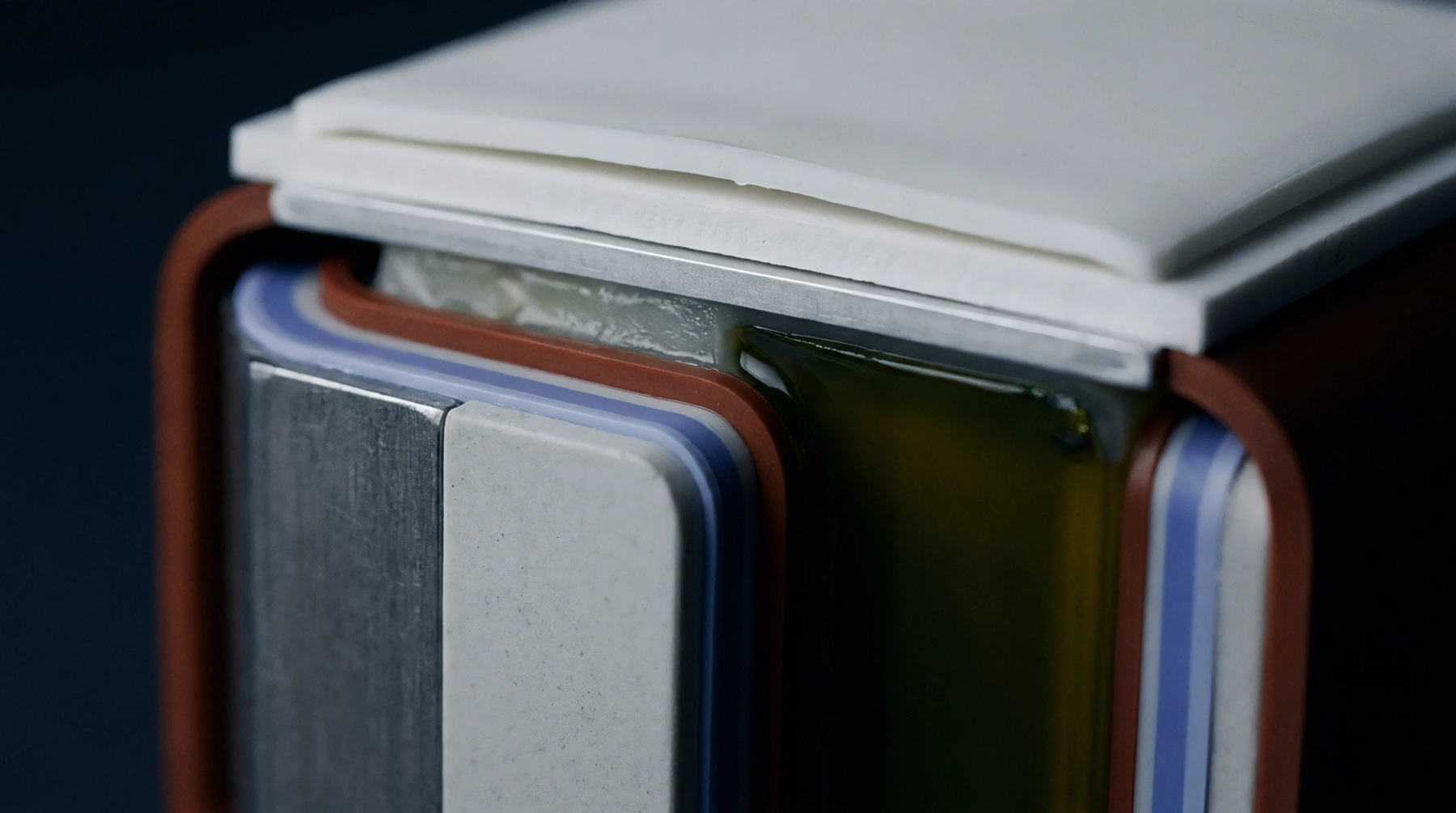
Accumulation of manufacturing variances in a large stack of cells can lead to substantial variation in the overall module length. In a module with twenty cells, if each cell has a thickness tolerance of plus or minus zero point one millimetres, the overall stack variation can be up to plus or minus two millimetres. The worst case calculation uses this maximum range to design the module enclosure and endplates.
This ensures that even the largest possible cell stack will fit within the housing.
Production Cost
Manufacturing components to meet the tight tolerances required by this conservative design approach increases production costs. It often requires high-precision machining or injection molding processes that have low throughput. For non-safety-critical dimensions, engineers usually transition to statistical methods to reduce costs while maintaining an acceptable yield.