
Baseline Compression Fixture Calibration for Sulfide Solid State Battery Cells
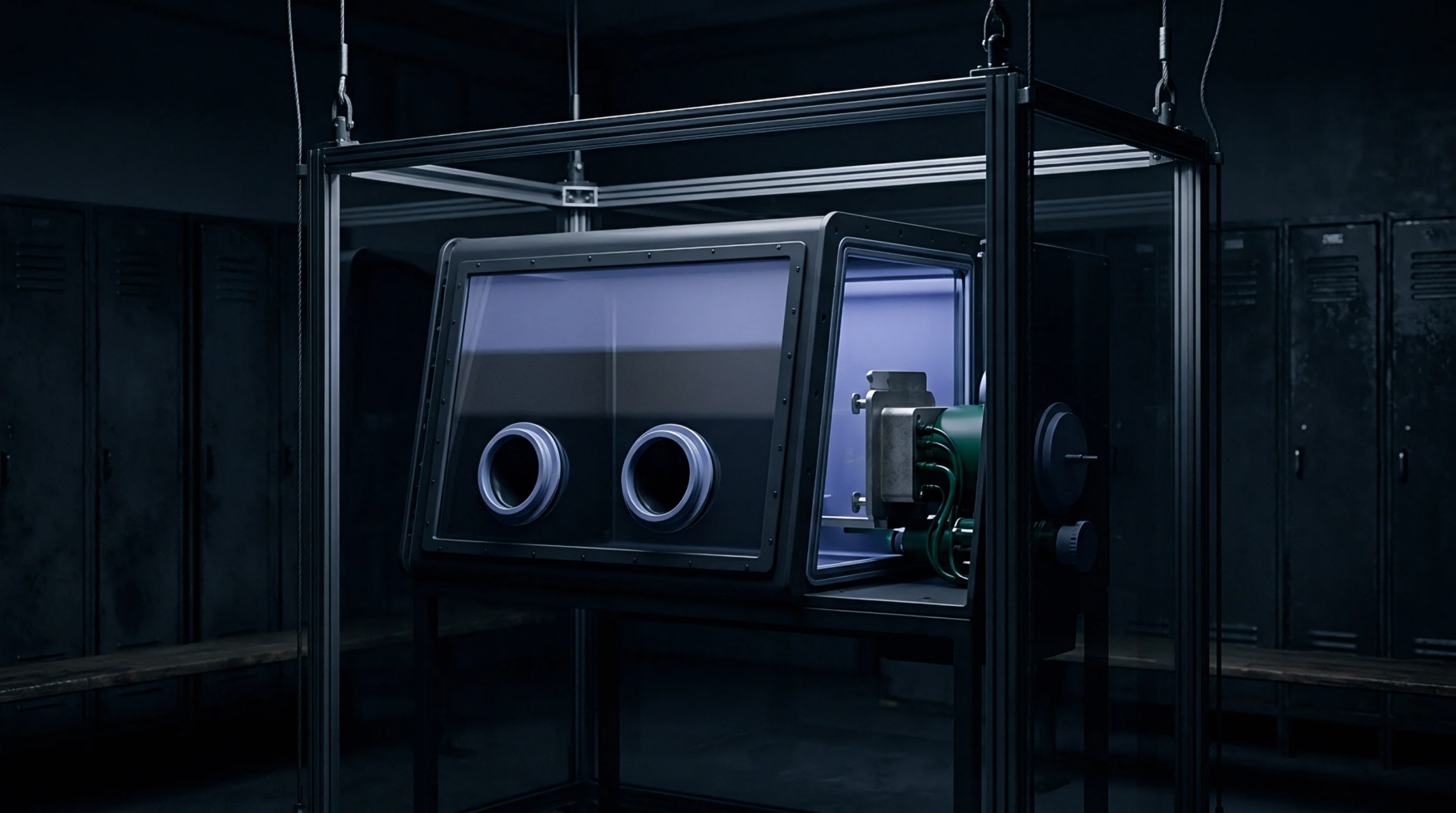
Baseline compression calibration for sulfide solid-state cells demands platen deflection under 2 µm/100mm and temperature-compensated force sensing.
Baseline compression calibration for sulfide solid-state cells demands platen deflection under 2 µm/100mm and temperature-compensated force sensing.

Eliminating lithium plating in fast-charging silicon anodes requires reducing out-of-plane tortuosity and maintaining stack pressure between 0.3 and 0.8 MPa.
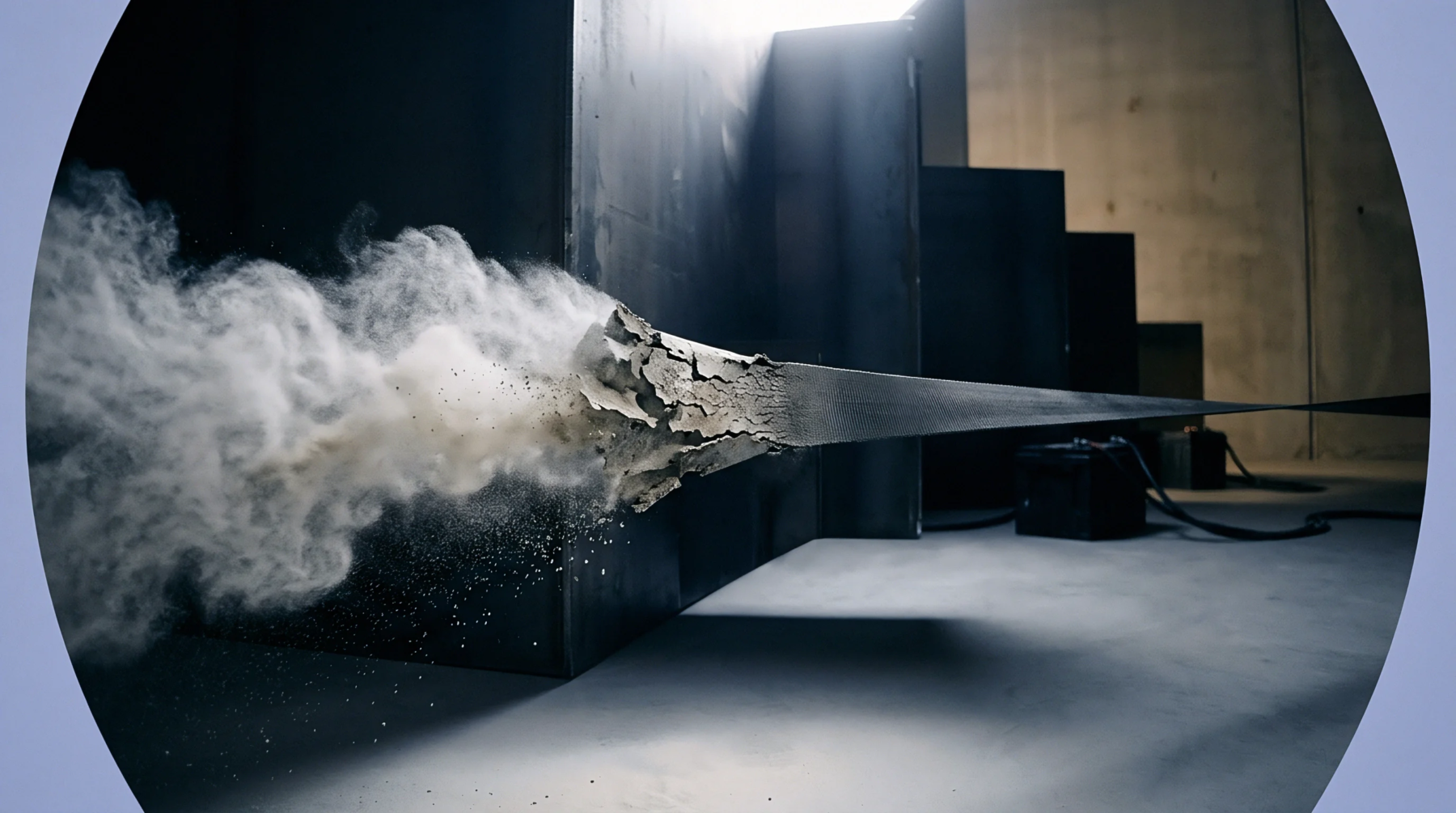
Quantifying grain boundary suboxides and micro-voids during rapid sintering establishes the boundary between ionic transport and premature dendrite failure.

Statistical process control limits for imported prismatic cells require Cpk above 1.33 and AQL 0.065 to prevent batch failures during pack assembly.

Matching material compliance to prismatic swell while controlling bond line thickness dictates thermal impedance, voltage isolation, and pack yield.
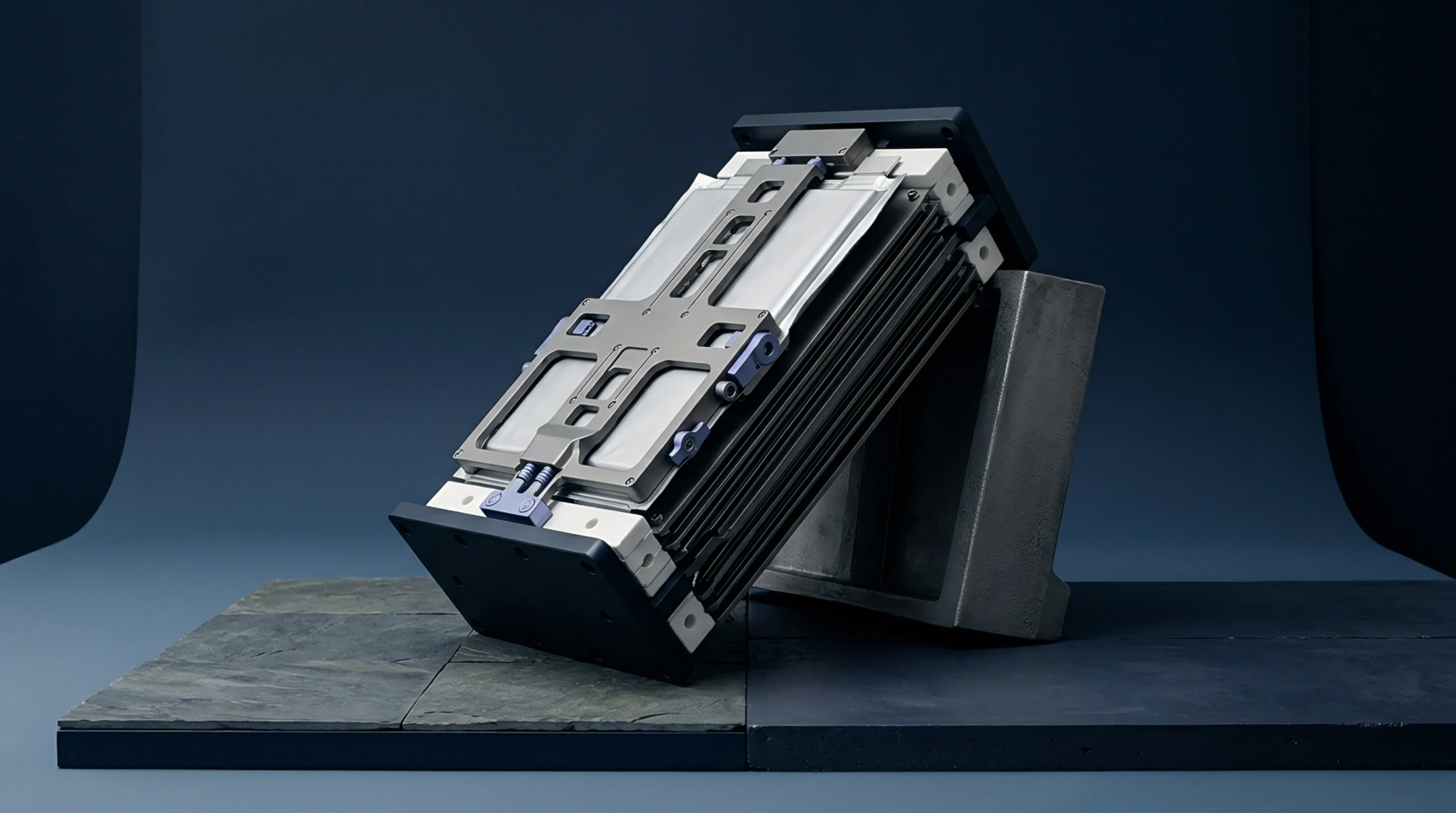
Isothermal swelling protocols isolate pure electrochemical lattice expansion from thermal artifacts to deliver precise thickness limits for module engineering.
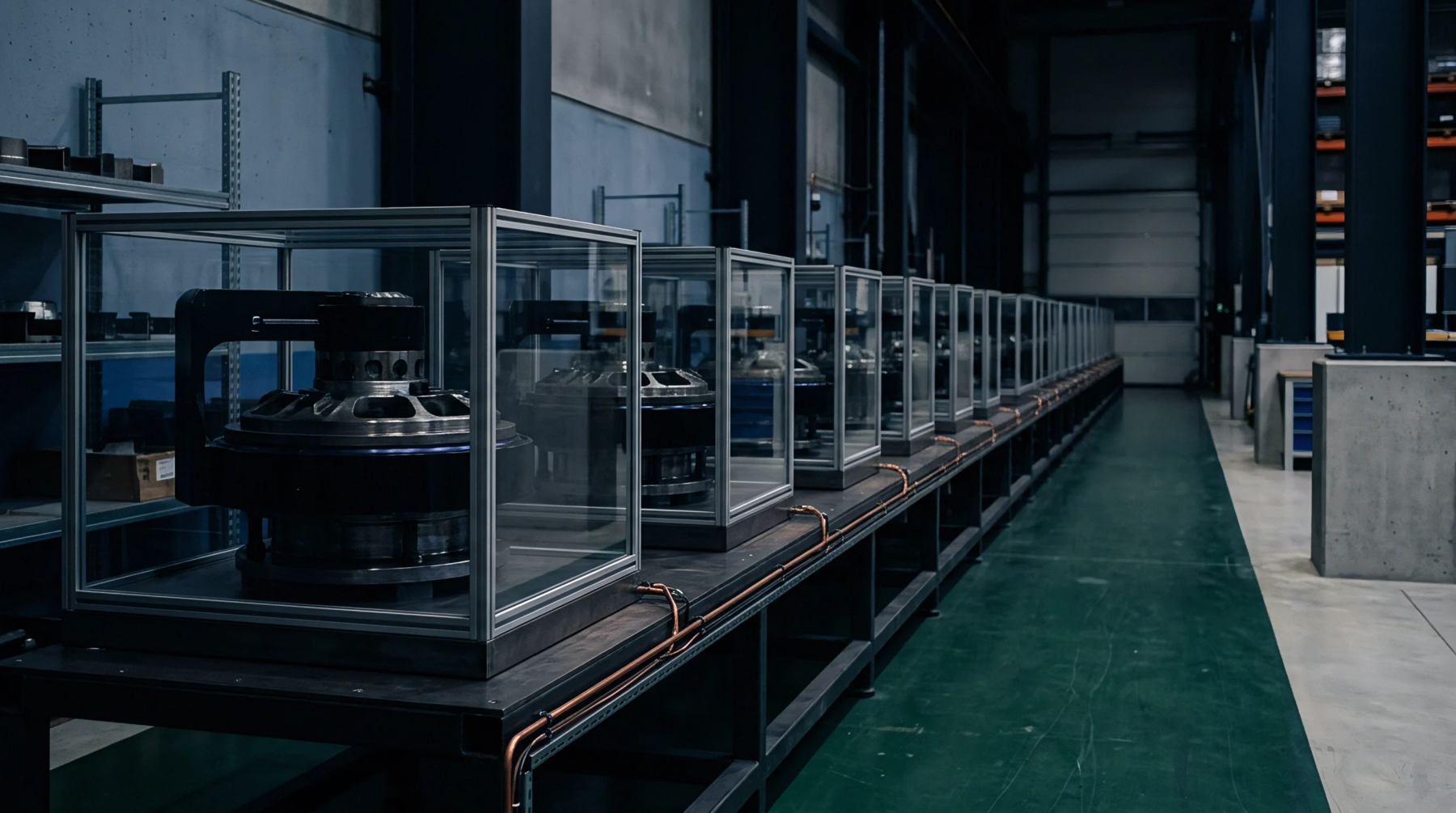
Maintaining active spring load above zero point three megapascals prevents localized pressure drop and anode lithium plating in oversized prismatic cells over extended service life.
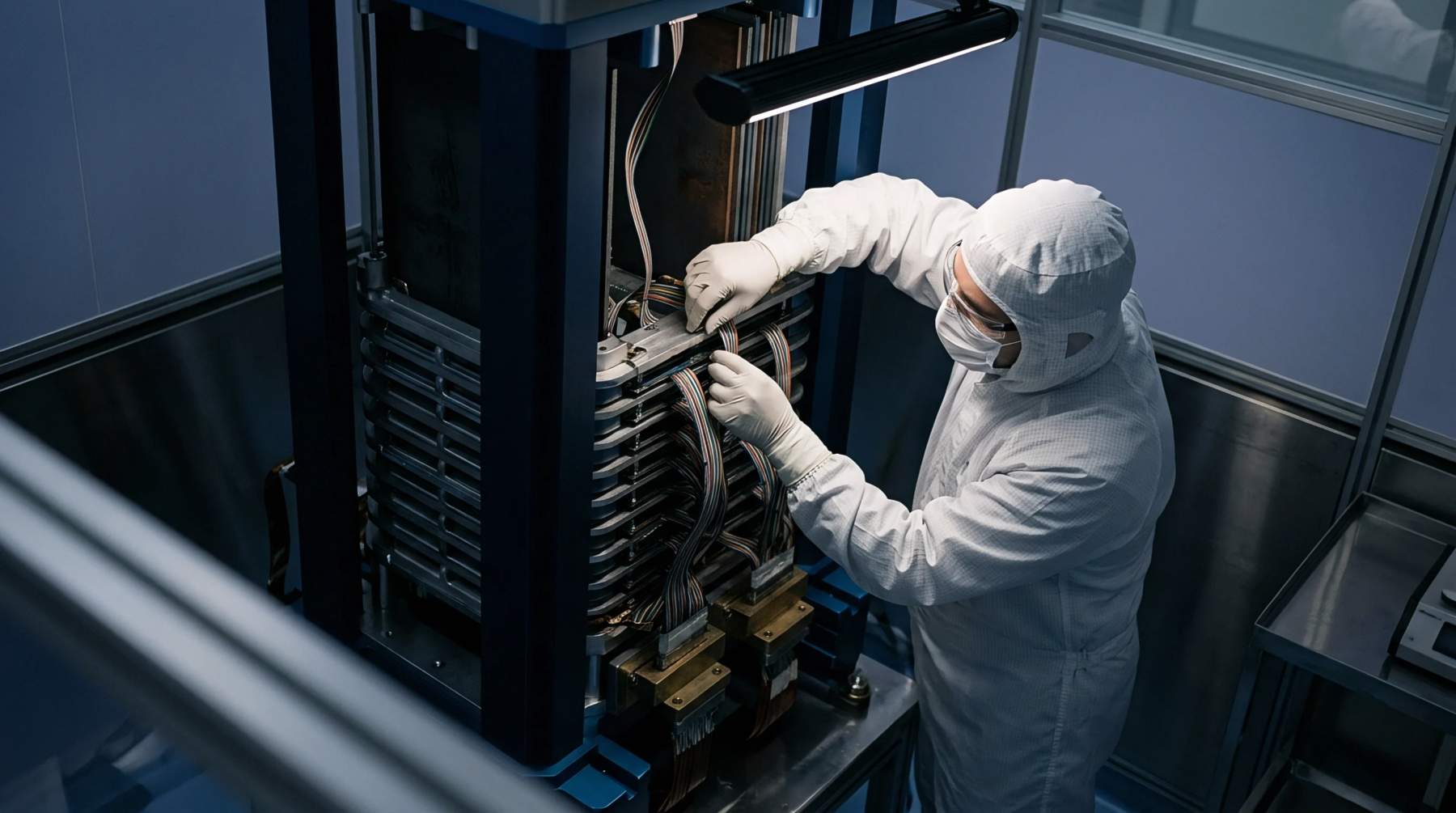
Maintaining 5 MPa stack pressure suppresses lithium void growth during high-rate stripping while active spring packs prevent separator fracture.
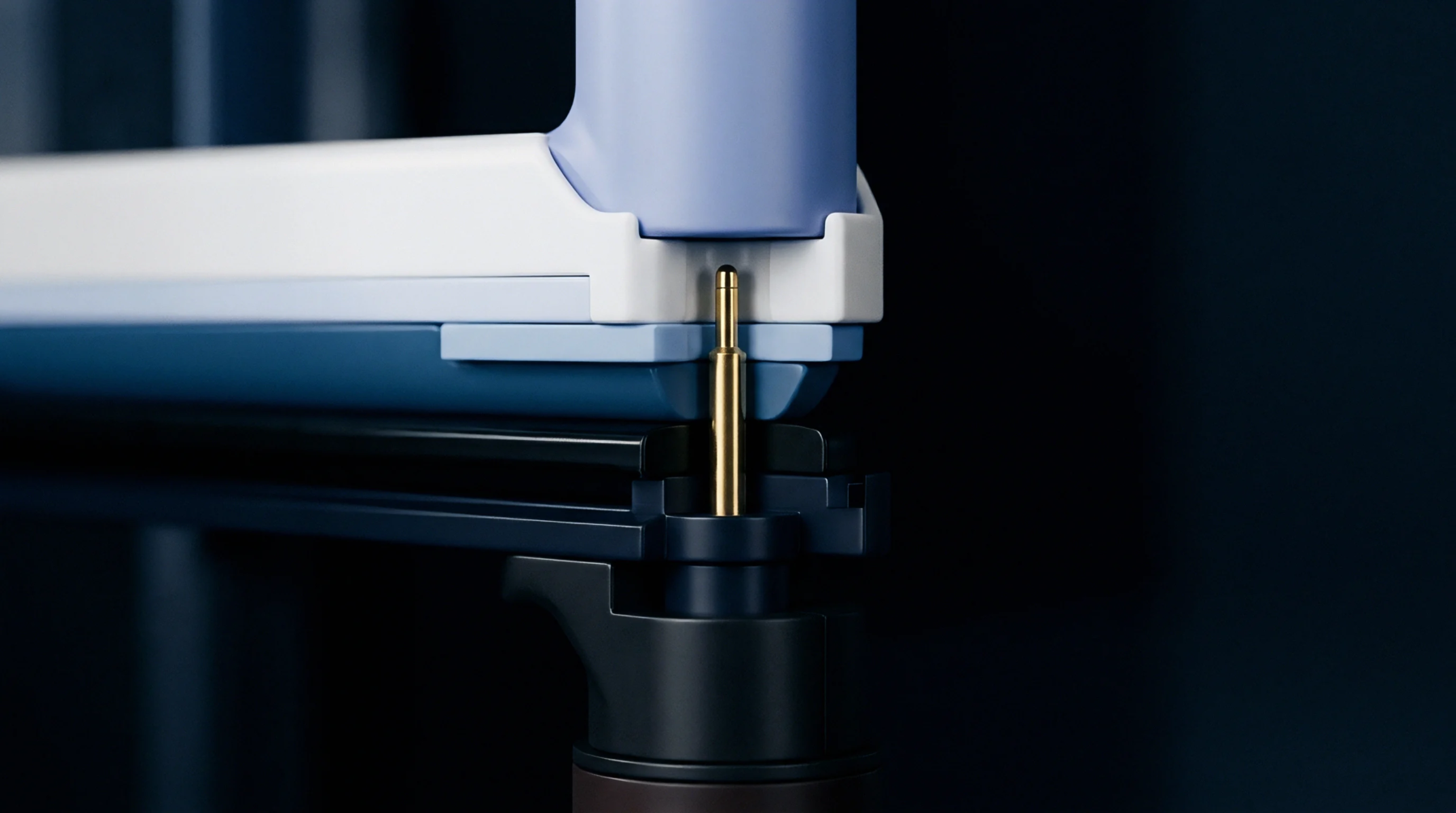
Sulfide solid-state cells require continuous external stack pressure between 5 and 10 MPa to overcome viscoplastic voiding and maintain intimate interface contact.
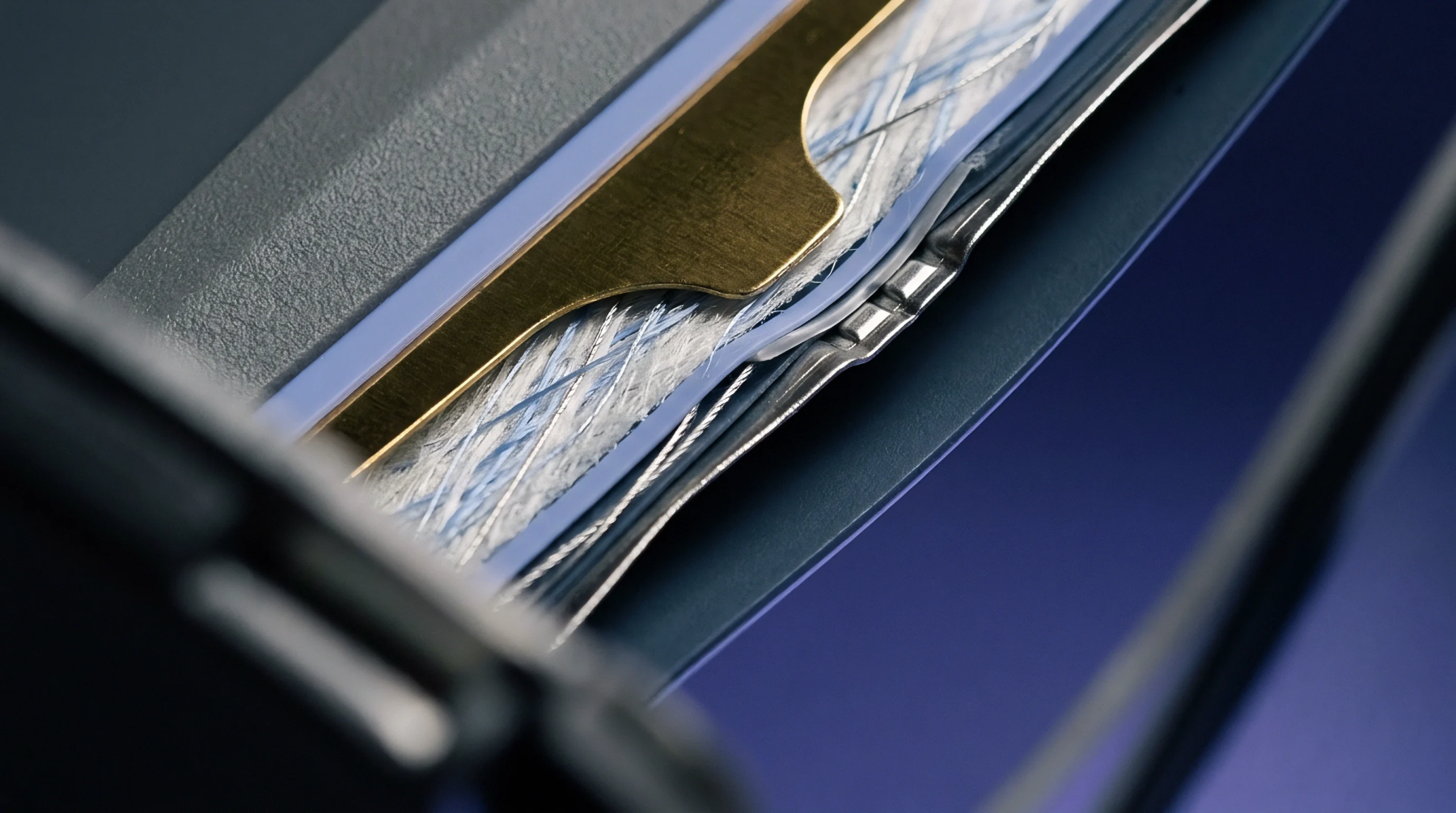
Laser-welded 3003 aluminum cell headers under sulfide swelling require lower bead tensile stress below fifty megapascals to prevent stress corrosion cracking.
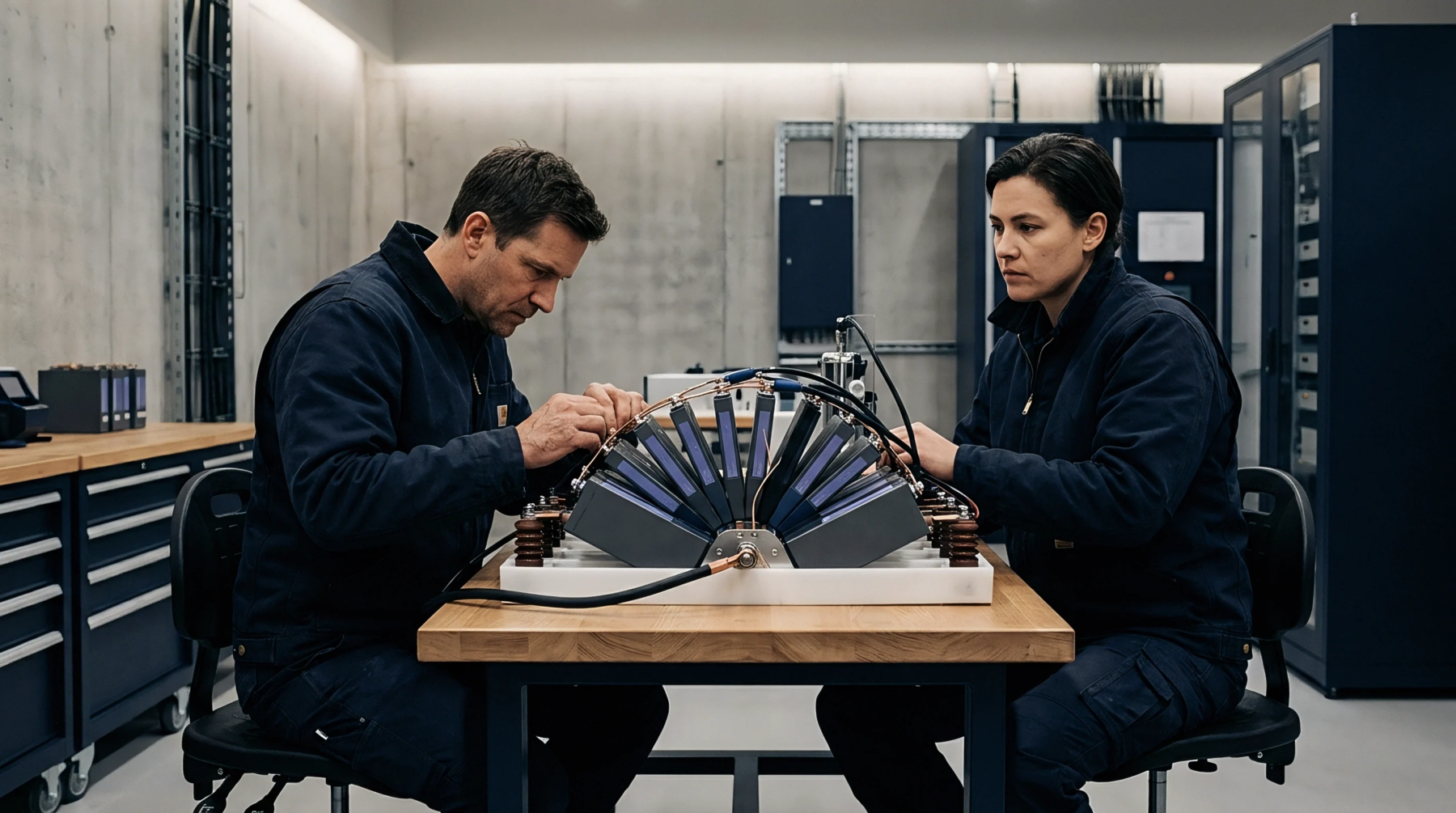
Procuring custom industrial battery modules requires locking cell format trade-offs, welding verification, and compliance files before amortizing tooling.

Optimal prismatic module thermal interface selection balances bulk conductivity against rheology and compliance to accommodate swelling without dielectric rupture.

Dynamic module pressure retention requires continuous dynamic strain compensation to prevent lithium metal anode degradation and structural pack housing fatigue.

Dynamic cycling of solid-state cells demands active dynamic pressure retention fixtures to prevent interfacial voiding and early capacity loss.
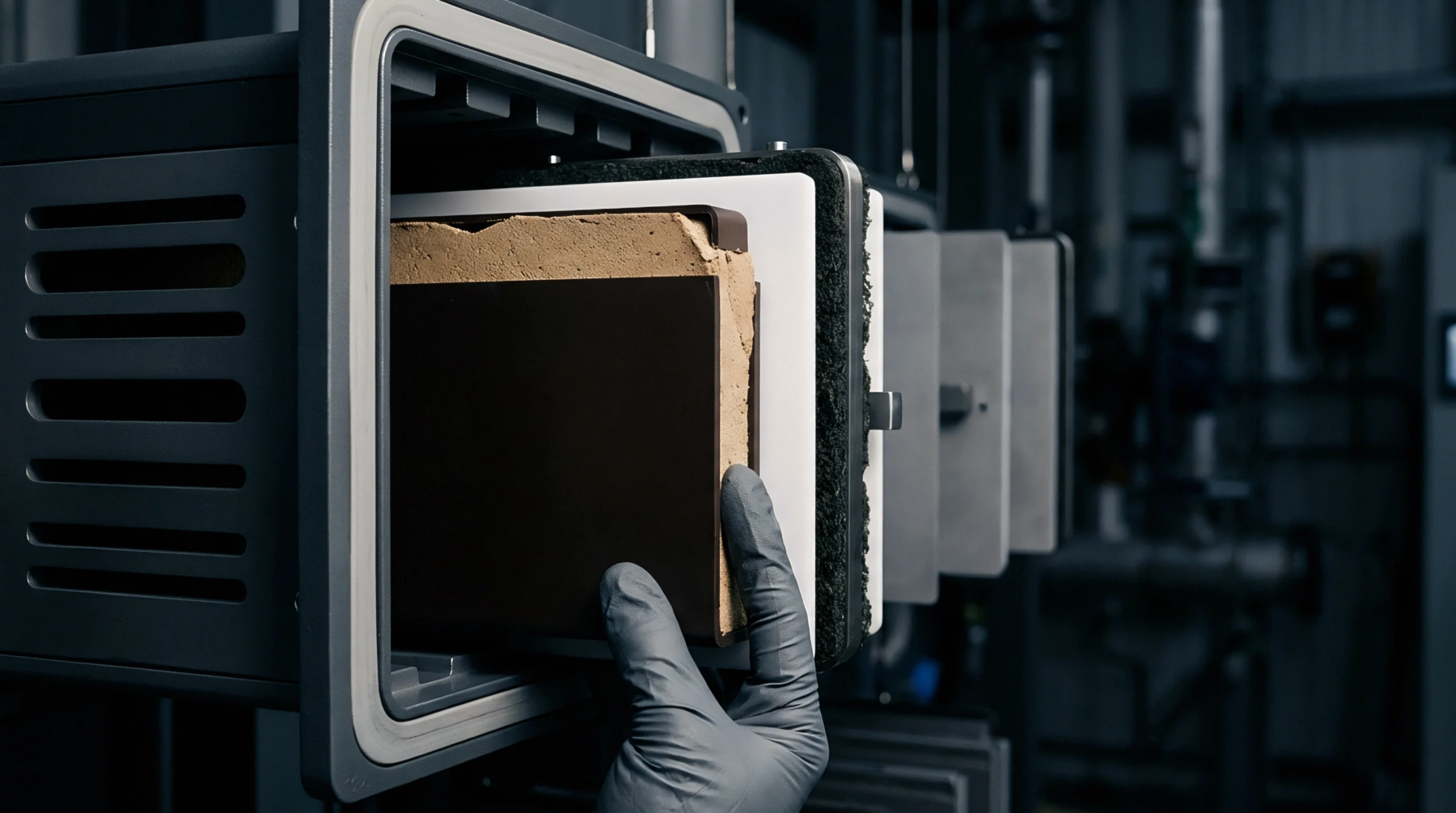
Integrating viscoelastic creep routines into thermomechanical transient solvers predicts separator mechanical collapse thresholds under battery thermal runaway conditions.

Hydrostatic pressure elevates lithium chemical potential and raises nucleation energy barriers, suppressing destructive phase fracture in encapsulated silicon anode powders.
Non-linear mechanical stress shifts Butler-Volmer kinetics in high-silicon anodes, lowering nucleation barriers and driving local lithium plating under stack pressure.
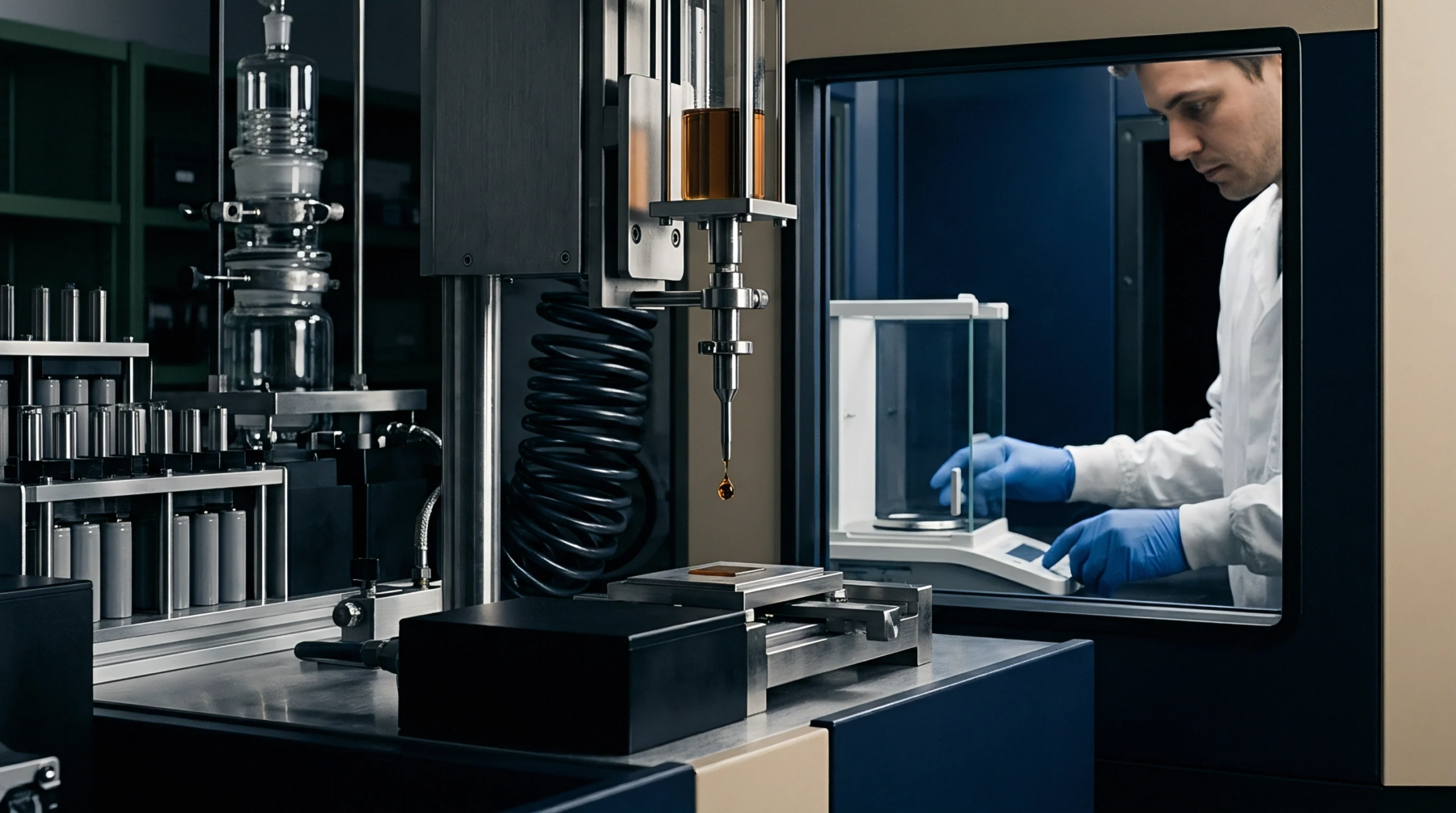
Electrolyte solvent plasticization lowers polyolefin yield stress, driving sub-critical micro-crack propagation under cyclic stack pressure.

Silicon alloy anodes require stack pressure control between 0.8 and 1.2 MPa to suppress brittle silicide crystallization and maintain cycle stability.

Applying targeted dynamic platen pressure suppresses interfacial void formation by forcing viscoplastic lithium creep backfill to match electrochemical stripping fluxes.
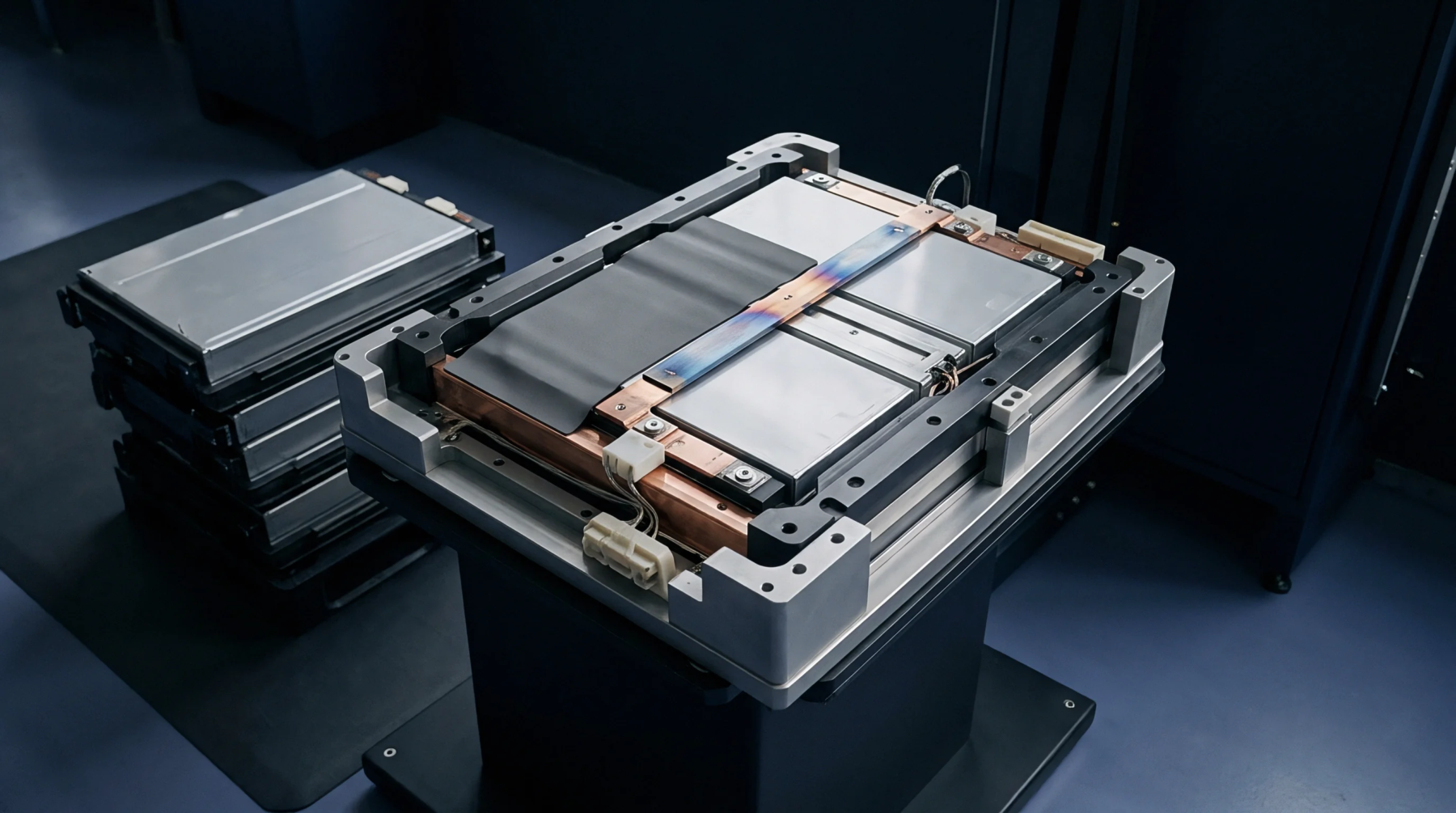
Solid-state prismatic cell swelling generates edge rotation bending strain at header weld roots, requiring wobble laser trajectories and compliant header contours to prevent premature fatigue failure.
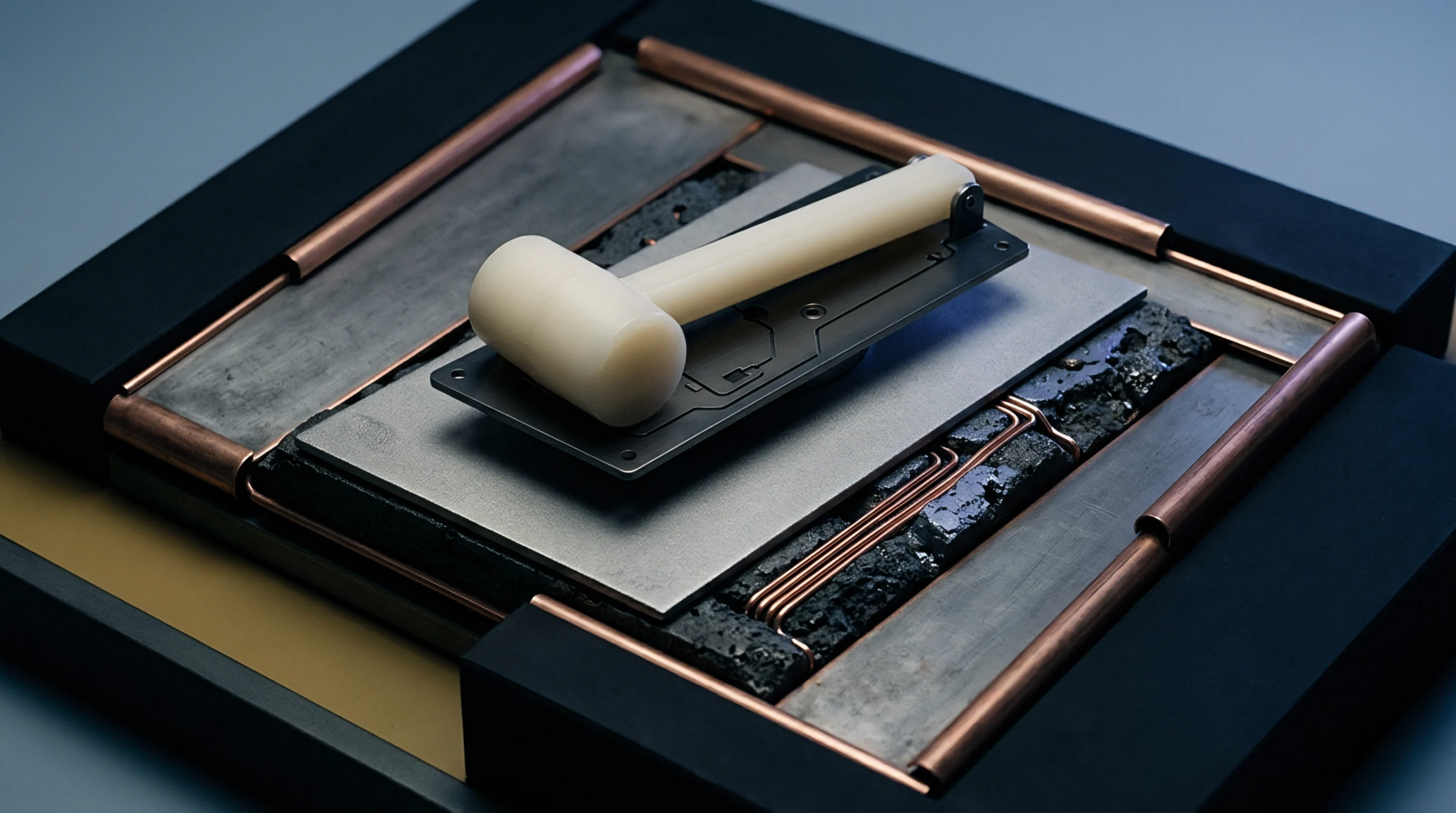
Establishing baseline solid-state cell thickness demands constant pressure fixtures with fixture compliance subtraction and zero-state reference at SOC zero.

Initial lithiation drives permanent and reversible solid-state cell thickness expansion requiring continuous Servo-regulated platen pressure during formation.

Solid-state prismatic expansion demands dynamic stack compression and strict header weld strain limits to prevent interfacial delamination and capacity fade.

Microstructural FEA proves thermal transient stress accelerates separator creep collapse, demanding strict cell stack pressure limits to prevent micro-shorts.
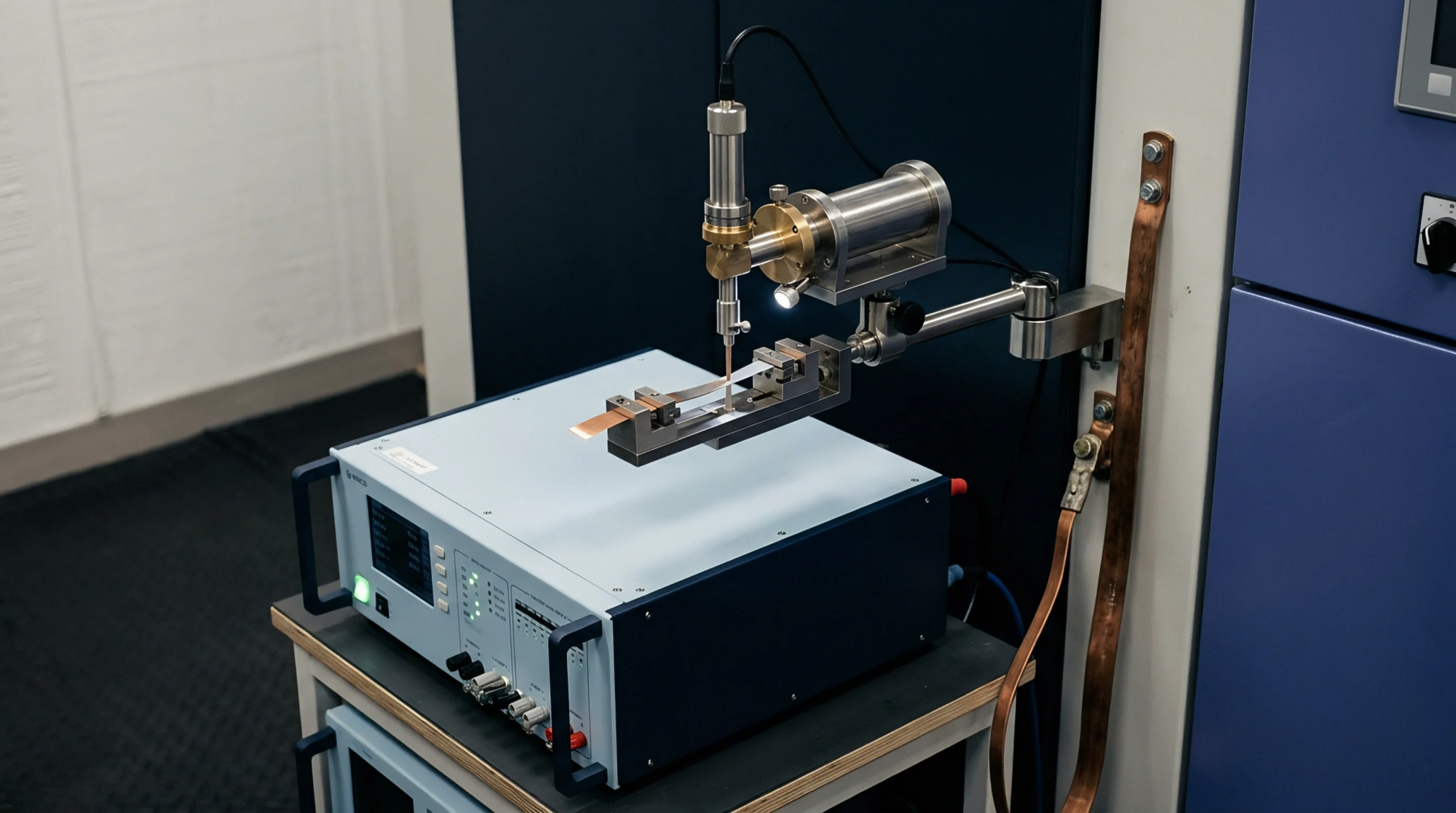
Optimal mechanical constraint extends lithium cell cycle life by suppressing electrode delamination while avoiding separator pore collapse and intergranular cathode fracture

Fix format, compression pads, NRE tooling costs, and BMS regulatory boundaries before signing supply contracts to avoid costly re-tooling and unhedged liability.
Buying cells requires owning BMS development, weld quality, thermal isolation, and pack safety files; buying packs trades unit margin for transferred liability.
Expertise is a utility, not a secret. sentiention™ publishes its working knowledge as open reference: intelligence layer covering the materials it sources, the markets it enters, and the reference that serves both.