Intermodal Terminal Automated Sensor off Gas Quarantine Procedures
Automated sensor arrays at intermodal terminals divert venting lithium containers to scrubbed quarantine vaults to mitigate runaway risk and reassign demurrage.


Plume
Gantry-mounted sniffer systems deployed at intermodal container transshipment portals evaluate venting events during crane hoisting and spreader engagement. Automated sensor arrays mounted directly on ship-to-shore cranes, rubber-tyred gantries, and rail transfer frames sample the headspace ambient envelope surrounding ISO freight containers during motion. Early lithium-ion cell thermal degradation releases volatile organic compounds and low-molecular-weight gases prior to open thermal runaway.
Detection at this stage prevents compromised containers from entering high-density vessel holds or stacked rail corridors.
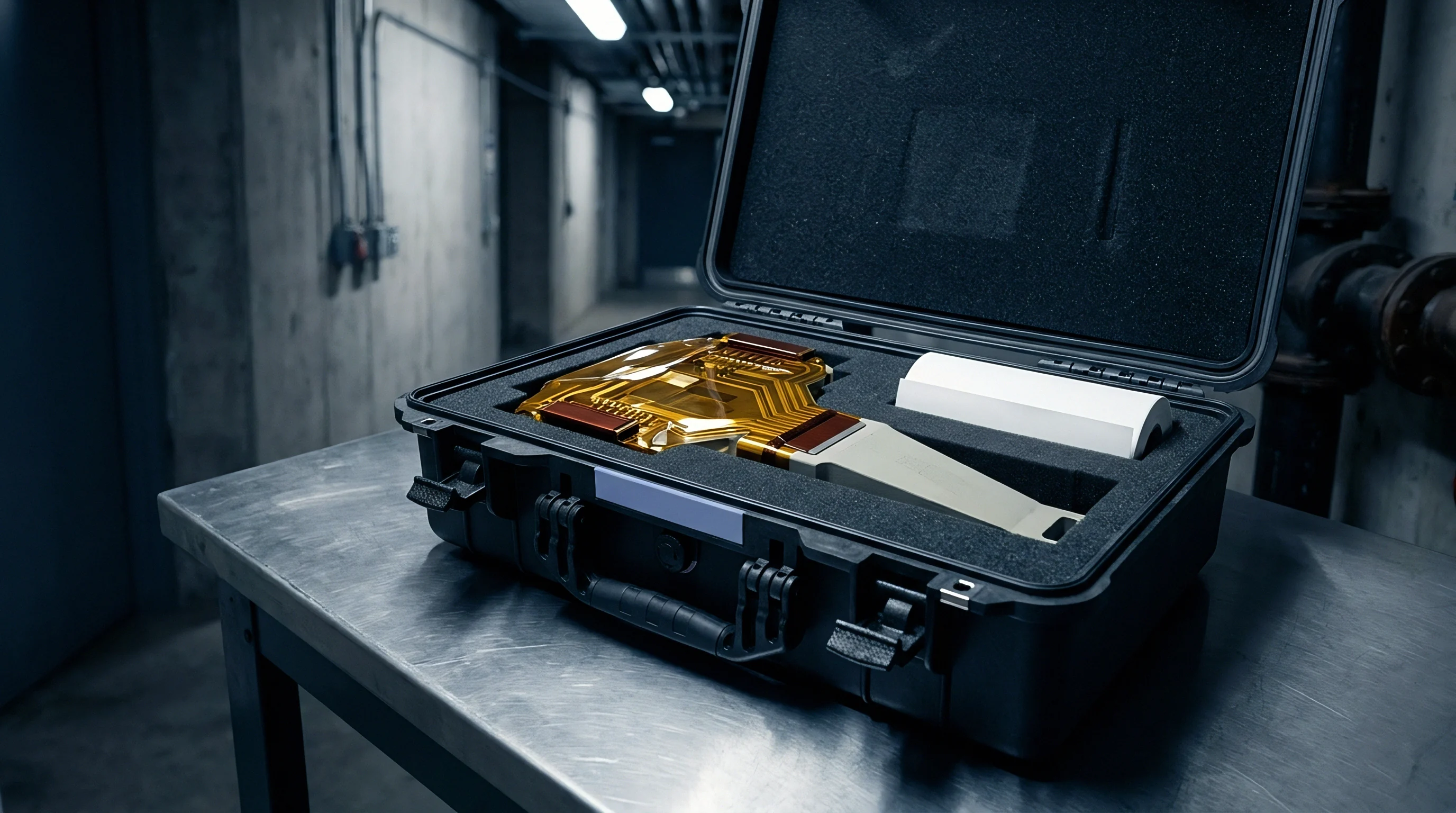
Automated Gantry Detection Arrays
Optical spectroscopy modules installed on ship-to-shore crane spreaders monitor gas emissions during container lifting. Aspiration probes integrated into spreader twist-lock assemblies draw air samples from container corner castings and passive ventilation louvers. Off-gas signals demand immediate action.
The primary target species emitted during initial cell electrolyte breakdown include dimethyl carbonate, diethyl carbonate, ethyl methyl carbonate, and ethylene carbonate, alongside carbon monoxide and hydrogen gas.
Sensor optics require clean air. Optical path length absorption spectroscopy and photoionization detectors deliver continuous sub-ppm concentration measurements within 1.5 seconds of gas release. Multi-wavelength nondispersive infrared sensors target carbon monoxide and methane emissions, while electrochemical sensors monitor trace hydrogen fluoride generation resulting from electrolyte salt decomposition in humid ambient air.
Optical sensors on crane spreaders trigger automatic alerts when carbon monoxide concentration exceeds twenty-five parts per million above ambient background during lifting ops.
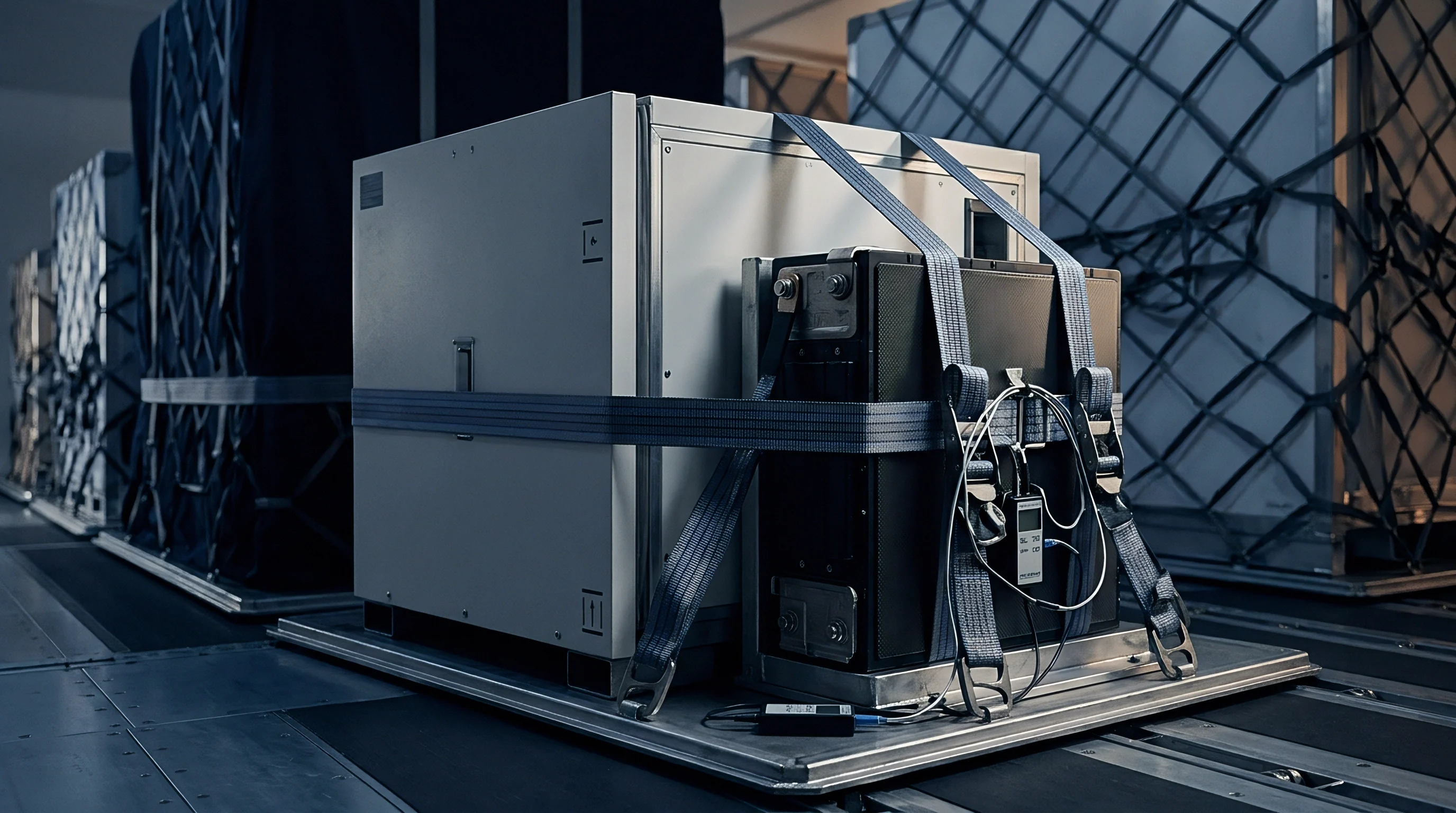
Sensing Array Architecture and Sample Extraction
Aspirated sampling lines pull air continuously from the passive ventilation louvers of standard ISO freight containers at a nominal flow rate of twelve liters per minute. Pneumatic distribution manifolds route sampled air through dust filters and moisture separators before delivering gases to analyzer chambers. Differential pressure transducers confirm sample line integrity, generating fault signals if probes suffer mechanical crimping or salt-crust blockage during marine terminal operations.
| Analyte / Target Molecule | Sensor Chemistry | Baseline Ambient Range | Detection Sensitivity Limit | Response Time (T90) |
|---|---|---|---|---|
| Dimethyl Carbonate (DMC) | Photoionization Detector (PID 10.6 eV) | 0.05 – 0.20 ppm | 0.1 ppm | < 2.0 s |
| Carbon Monoxide (CO) | NDIR / Electrochemical Cell | 2 – 15 ppm | 1.0 ppm | < 1.0 s |
| Hydrogen (H2) | Palladium MOS / Catalytic Bead | 0.5 – 1.0 ppm | 5.0 ppm | < 1.5 s |
| Hydrogen Fluoride (HF) | Electrochemical / Laser Spectroscopy | 0.00 – 0.02 ppm | 0.05 ppm | < 3.0 s |
Integrated temperature and relative humidity sensors correct photoionization detector gain curves in real time. Gas concentrations rise rapidly. Response times under two seconds allow terminal operating software to hold containers in mid-air or halt automated guided vehicle transit before freight enters dense storage blocks.
Failure to clean baseline optical lenses every shift leads directly to unflagged thermal events in high-density container stacks.


Threshold
Automated decision engines evaluate multi-gas matrix signals to differentiate dangerous cell outgassing from diesel engine exhaust and chemical cargo ambient VOC background. Marine terminal atmospheres contain transient spikes of nitrogen oxides, sulfur dioxide, and partially combusted heavy fuel oil residues. Detection algorithms rely on compound ratio analysis rather than single-gas amplitude spikes to avoid false terminal stoppages.

Gas Concentration Trigger Logic
Multi-channel sensor algorithms analyze gas concentration ratios to identify battery degradation signatures. Thermal runaway releases toxic vapor. The ratio of alkyl carbonates to carbon monoxide serves as the primary indicator distinguishing battery off-gas from internal combustion emissions.
Level 1 warnings initiate when carbon monoxide exceeds ten parts per million above baseline combined with total organic volatiles exceeding 0.5 parts per million.
Level 2 divert triggers execute when carbon monoxide reaches fifty parts per million or volatile organic carbonates exceed 2.0 parts per million. Any confirmed detection of hydrogen fluoride above 0.1 parts per million forces an immediate Level 3 emergency quarantine divert regardless of secondary gas concentrations.

False Positive Filtering in Marine Environments
Salt spray, humidity swings, and stack gas from berthed vessels alter ambient optical density and sensor zero points. Dynamic calibration algorithms recalculate baseline zero levels every fifteen minutes using real-time atmospheric data from surrounding environmental monitoring nodes. Divert commands lock crane gates.
- Optical lens contamination occurs when diesel particulate matter coats NDIR absorption mirrors, shifting baseline calibration upwards and inducing false alarms.
- Cross-sensitivity saturation develops when localized emissions from heavy terminal tractors overwhelm electrochemical carbon monoxide cells, causing transient false positive divert commands.
- Sensor zero drift arises from relative humidity fluctuations above ninety percent during marine fog events, altering MOS surface conductance.
- Aspiration line blockage stems from salt deposit buildup inside external sampling probes, reducing volumetric flow to the analyzer chamber below acceptable pneumatic limits.
Equipment vendors routinely attribute missed vent triggers to uncalibrated sampling probes rather than sensor drift.

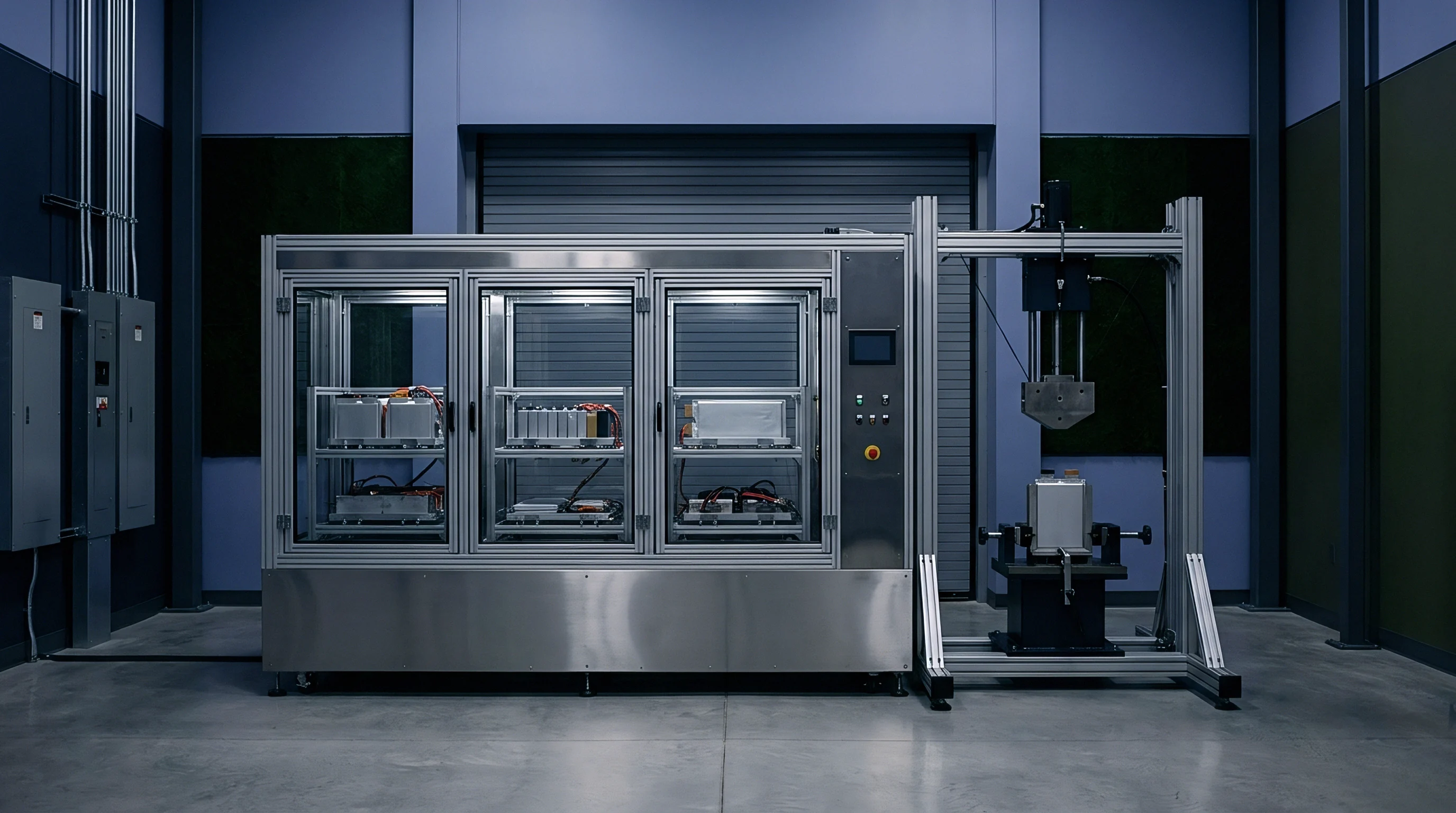
Routing
Terminal operating systems override pre-planned container positioning coordinates immediately upon receiving a Level 2 divert signal from gantry sensor nodes. Physical diversion mechanisms isolate compromised freight without interrupting adjacent container stack operations. Autonomous vehicles and automated gantry cranes execute diverted routing pathways mapped to dedicated safety zones.
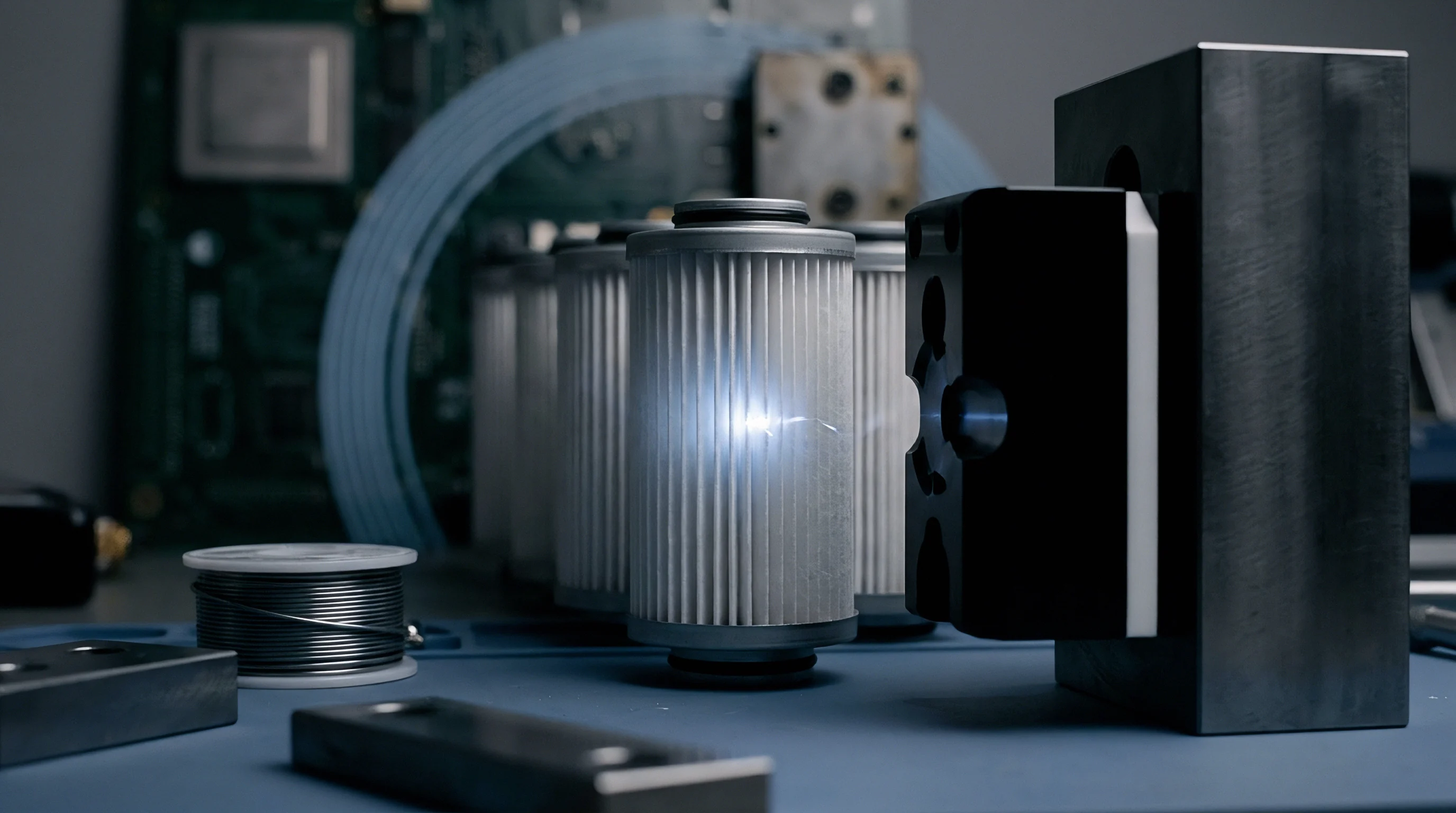
Automated Guided Vehicle Diversion
Transport commands redirect autonomous flatbeds carrying compromised freight away from standard container stacks and vessel loading berths. The system reserves clear travel corridors through the container yard, maintaining a fifteen-meter buffer distance from standard freight lanes. Autonomous guided vehicles carrying flagged containers travel at reduced speeds not exceeding eight kilometers per hour to reduce aerodynamic turbulence across container vents.

Can Automated Diverts Override Rail Terminal Signals?
Priority execution routines grant safety diverts absolute precedence over scheduled rail car loading sequences. When a crane sensor detects off-gas during intermodal rail transfer, rail spur switches lock automatically to prevent train movement. Automated straddle carriers retrieve the compromised container from the rail gantry bay and move it directly to a perimeter isolation pad equipped with blast suppression walls.
| Quarantine Level | Trigger Condition | Automated Action | Physical Destination | Maximum Execution Window |
|---|---|---|---|---|
| Level 1 Alert | VOC > 1.0 ppm or CO > 15 ppm | Hold gantry hoist; log gas spectrum | Inspection Bay 1 | 90 seconds |
| Level 2 Divert | VOC > 5.0 ppm or CO > 50 ppm | AGV re-route; lock adjacent crane lanes | Remote Buffer Grid | 180 seconds |
| Level 3 Emergency | HF detected or CO > 200 ppm | Deploy containment shroud; deluge alert | Blast Mitigation Trench | 60 seconds |
Directing compromised freight along windward terminal perimeters prevents hazardous vapor drift across active vessel berths.
Positioning problematic containers downwind of administrative buildings shields terminal personnel without slowing stack operations.


Containment
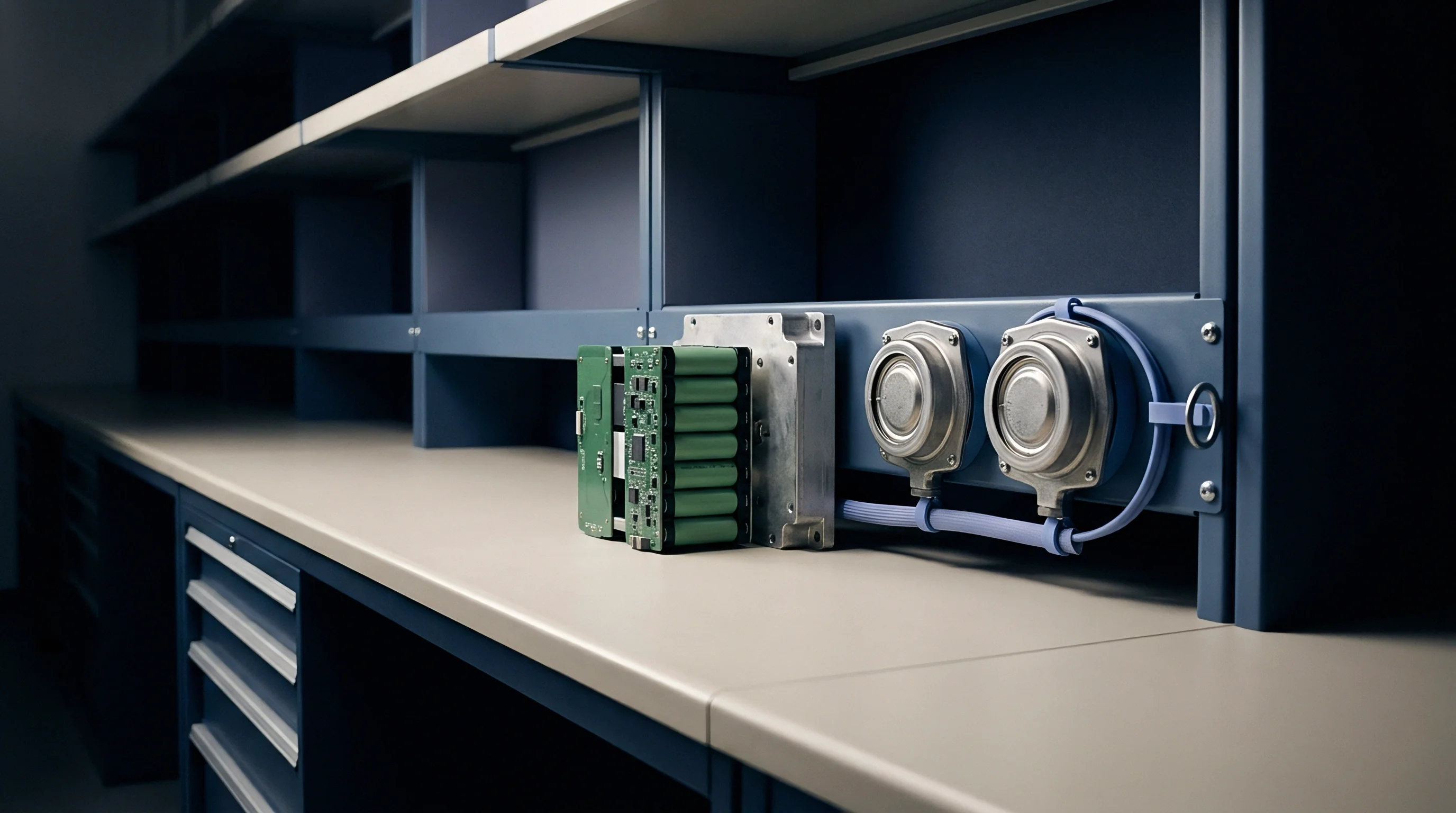
Designated terminal isolation structures utilize negative pressure ventilation and dry nitrogen displacement to suppress flammable vapor accumulation. Quarantine bays feature reinforced concrete explosion-relief walls, liquid runoff collection sumps, and closed-loop chemical scrubbing units. Quarantined containers remain sealed inside these structures throughout active thermal monitoring periods.
Quarantine Vault Atmospheric Management
Closed-loop scrubbing units connected to isolation bays process off-gas streams continuously. Hazardous vapors containing alkyl carbonates, carbon monoxide, and hydrogen gas pass through multi-stage packed bed scrubbers. Aqueous sodium hydroxide solution spray neutralizes hydrofluoric acid gas, converting corrosive fluoride vapors into stable sodium fluoride salt solutions.
Quarantine bays suppress oxygen levels. Nitrogen injection systems flood isolation chambers to drop atmospheric oxygen concentrations below five percent by volume, eliminating the combustion envelope for venting organic solvent vapors. Activated carbon beds down-stream of chemical scrubbers absorb remaining organic compounds before filtered air discharges through monitored stack outlets.
- Seal quarantine bay doors automatically to establish negative pressure zone at minus fifty Pascals relative to ambient atmosphere.
- Initiate nitrogen gas injection at a volumetric flow rate sufficient to achieve an oxygen concentration below five percent within six minutes.
- Engage caustic wet scrubber circulation pumps to neutralize acid vapor prior to exhaust filtration.
- Activate thermal imaging arrays to measure temperature changes across container exterior surfaces every ten seconds.
- Maintain continuous gas sampling until carbon monoxide and volatile organic compound levels return to ambient baselines.

Thermal Monitoring and Active Deluge Control
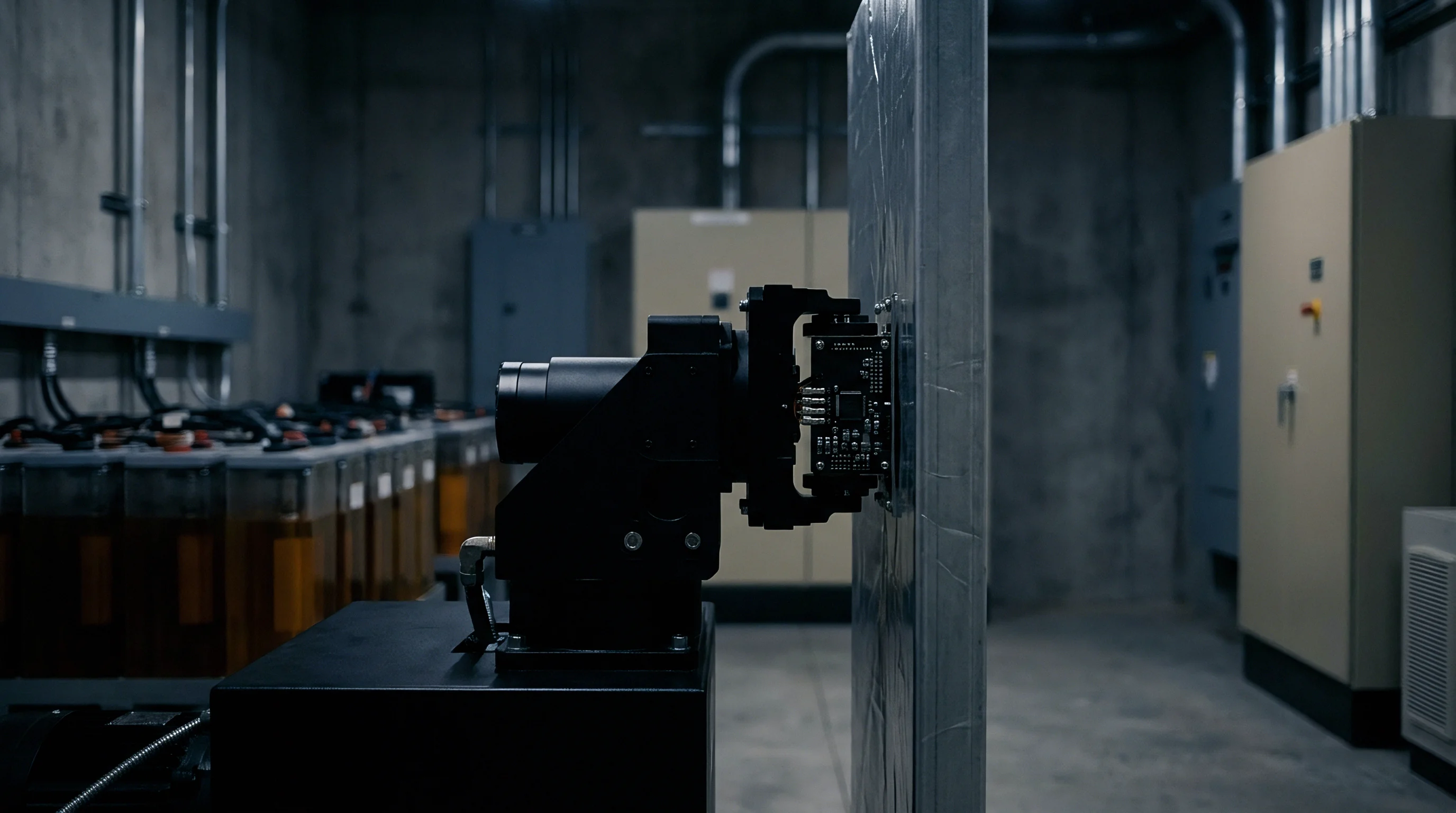
Infrared cameras installed within isolation bays track outer container wall surface temperature gradients continuously. Thermal runaway generates rapid heat flux across steel container side panels. Radiometric software detects hot spots exceeding sixty degrees Celsius, triggering external shell cooling water sprays.
Nitrogen displaces air inside vaults.
Scrubbers neutralize acid gas rapidly. External wall deluge systems apply water at a rate of twenty liters per minute per square meter of container surface area to prevent structural buckling while preserving internal dry nitrogen atmosphere conditions.
IMDG Code Special Provision 384 mandates that lithium battery shipments displaying thermal off-gassing remain isolated in temperature-monitored quarantine until verified thermally inert.
Engineers continue to debate whether total nitrogen inerting prevents internal cell-to-cell thermal propagation inside fully packed freight containers.

Verification
Dangerous goods inspectors assess container internal headspace safety using portable gas chromatograph-mass spectrometers before issuing entry clearance. Inspection teams access container sampling ports while the unit remains inside the scrubbed quarantine enclosure. Decay curves govern entry safety.
Clearance requires that toxic and flammable chemical species collapse below established occupational exposure thresholds.
Post-Event Atmospheric Decay Testing
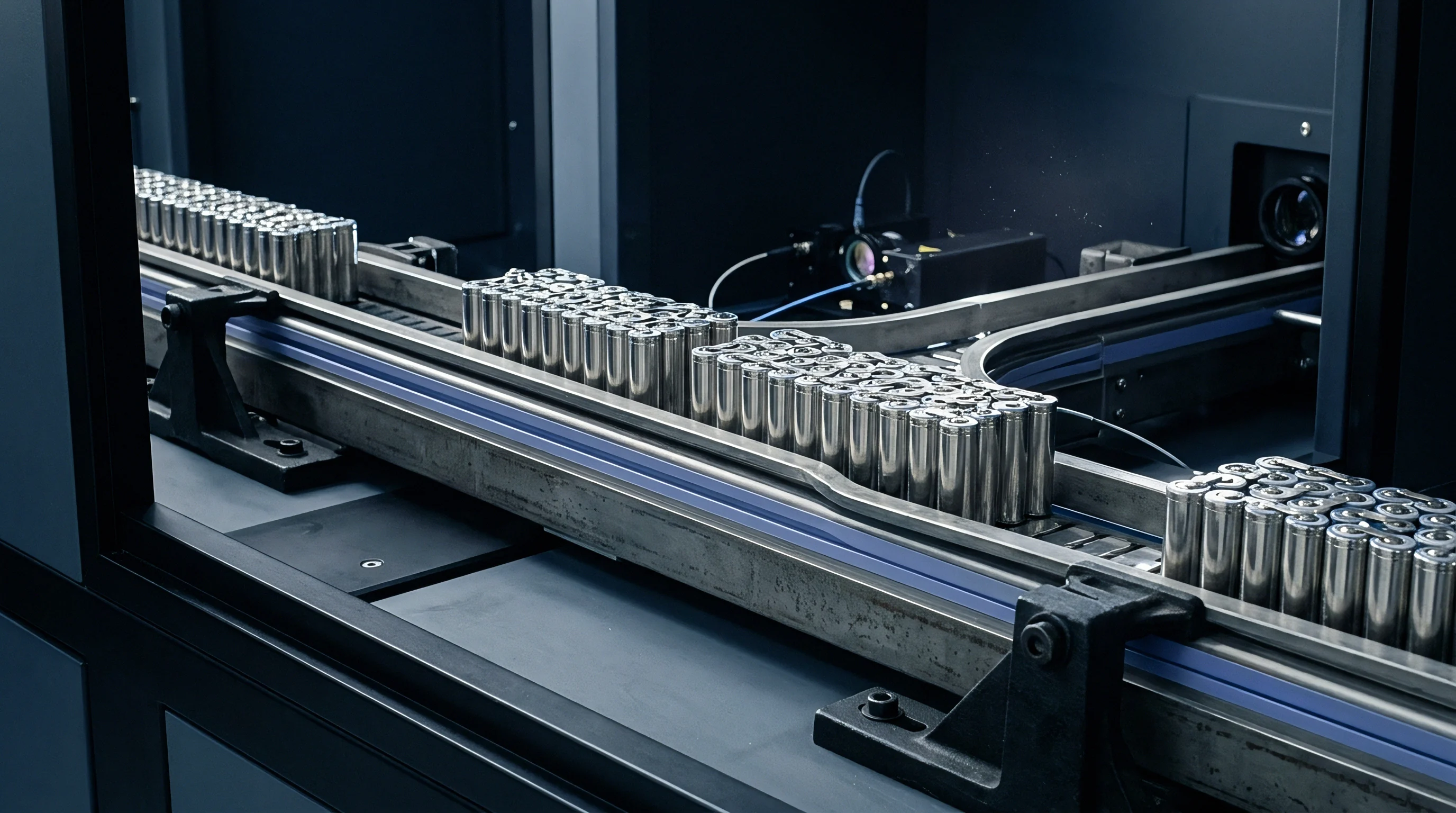
Sample extraction through container access ports confirms that toxic combustion products have fallen below regulatory limits. Hydrogen fluoride concentration must measure below 0.1 parts per million, carbon monoxide below twenty-five parts per million, and total combustible vapors below one percent of the lower explosive limit. Inspectors verify internal cell temperatures.
| Chemical Species | Regulatory Standard / Source | Maximum Safe Level for Handling | Sensor Method for Clearance |
|---|---|---|---|
| Carbon Monoxide (CO) | OSHA PEL / NIOSH REL | 25 ppm | Electrochemical Cell / NDIR |
| Hydrogen Fluoride (HF) | ACGIH TLV-Ceiling | 0.1 ppm | Ion-Selective Electrode / Laser Spectrum |
| Volatile Organic Carbon | EPA Method TO-15 | 0.5 ppm | Portable GC-MS / PID |
| Combustible Gas | NFPA 69 Flammability Limit | < 1% LEL | Catalytic Bead Analyzer |

Documentation and Dangerous Goods Regulatory Re-Certification
Re-entry into commercial transport chains requires formal technical clearance from an accredited Dangerous Goods Safety Adviser. Damaged or defective lithium battery packs fall under special transport provisions within international maritime and overland regulations. Uncertified containers face cargo arrest.
- Bill of lading verification checks dangerous goods manifest entries against UN numbers and battery chemistry classifications prior to vessel discharge.
- UN 38.3 test summary audit validates that cell design documentation matches shipped battery serial ranges and module configurations.
- Insurance notification execution provides formal written notice to cargo underwriters within twenty-four hours of container quarantine placement.
- Demurrage dispute filing challenges automated terminal detention invoices when sensor false positives caused container re-routing delays.
Clause 4.1.1.11 of the IMDG Code transforms shipper packaging liability into direct carrier indemnity once an uncertified container enters quarantine.


Settlement
Terminal operators bill container detention, quarantine bay allocation, and hazardous vapor scrubbing fees directly to the bill-of-lading cargo interest. Financial allocation follows strict contractual risk assignment rules established under ocean carriage terms and terminal tariffs. Shippers absorb terminal quarantine costs.
Expense accounting begins the minute an automated gantry sensor triggers a Level 2 divert command.

Demurrage Allocation and Quarantine Cost Accounting
Financial liability for automated terminal isolation moves along cargo shipping chains according to contract terms. Standard terminal tariffs assess heavy surcharges for scrubbed quarantine bay occupancy, emergency logistics handling, and hazardous waste disposal. Third-party hazmat response teams bill technical verification services separately from marine terminal storage fees.
Take a 40-foot high-cube container holding 18,000 kilograms of energy storage modules flagged for off-gas venting at an intermodal hub. Assume a five-day quarantine lock inside an automated scrubber bay. Base storage charges equal $2,200 per day.
Scrubber chemical replenishment and energy consumption run $1,450 per day. Hazardous material handling and AGV divert logistics add a flat fee of $4,800. Inspection and DGSA re-certification total $3,200.
Total landed quarantine cost equals $23,050, excluding demurrage penalties of $350 per day after day three.

Carrier and Shipper Liability Transfer under Transport Law
Marine insurance policies standardly exclude cargo damage resulting from undeclared or improperly certified lithium battery shipments under Institute Cargo Clauses. Ocean carriers file subrogation claims against freight forwarders and cell manufacturers when undeclared off-gassing causes terminal delays or vessel re-routing. Cargo liens enforce payment recovery.
Terminal operators enforce cargo liens on quarantined containers until shippers provide bank guarantees covering third-party hazmat response invoices.
Carriers routinely hold adjacent containers under maritime lien until cargo owners settle terminal quarantine scrubber expenses.