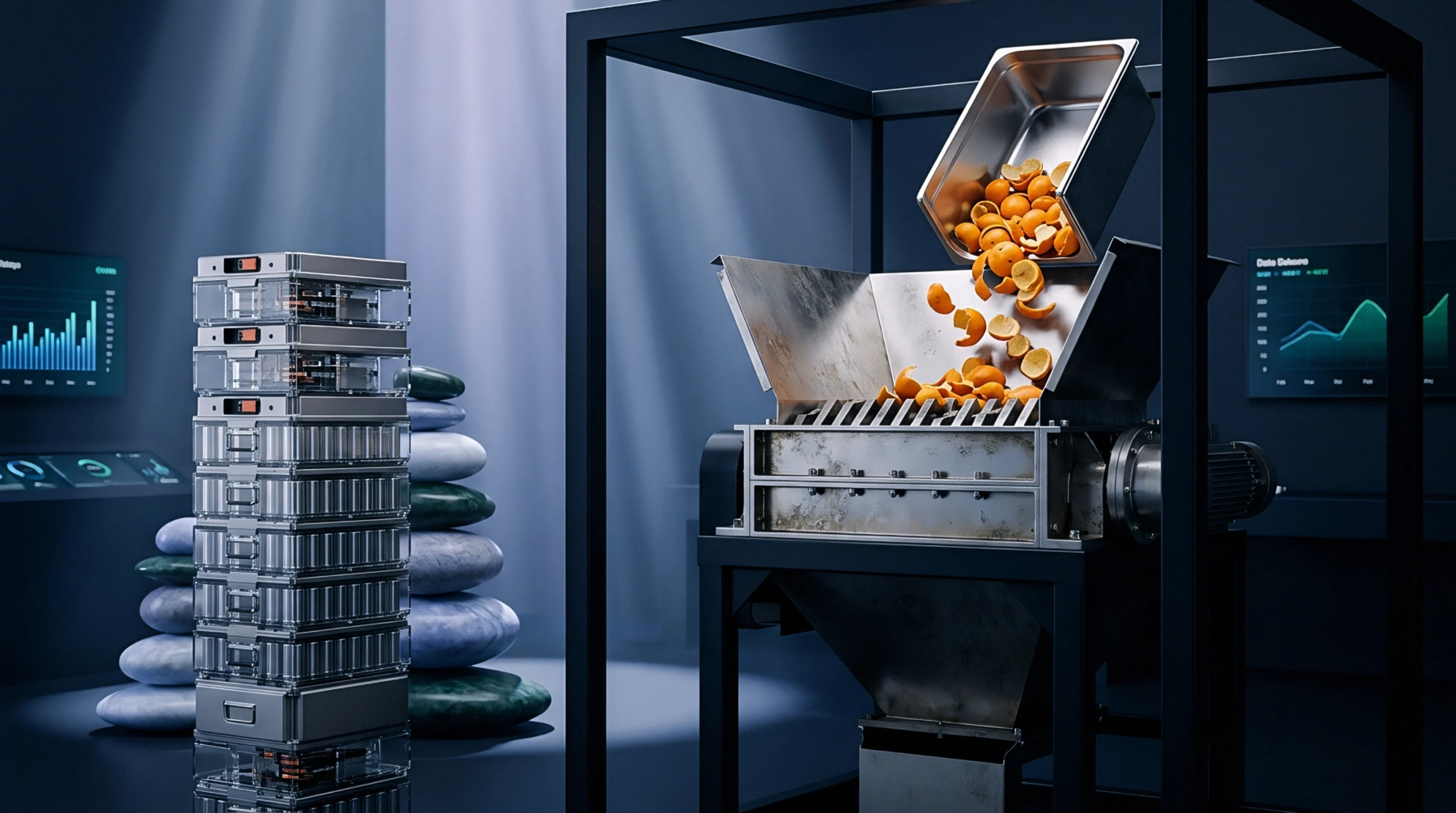
Automated Off-Gas Detection Limits for Volatile Organic Compounds in Lithium Battery Cargo
Automated VOC detection limits for lithium battery cargo require setting DMC thresholds below 1 ppm while filtering ambient timber and adhesive backgrounds.
Automated VOC detection limits for lithium battery cargo require setting DMC thresholds below 1 ppm while filtering ambient timber and adhesive backgrounds.

Non-linear viscoelastic creep and solvent-induced micro-void growth in pouch cell seals determine hermetic failure limits under internal gas pressure.

Pouch cell heat seals require precise thermal pressing and non-destructive inline acoustic or helium screening to prevent micro-void leaks during transit.

Electrolyte selection below minus twenty degrees Celsius requires low viscosity esters and imide salts to prevent lithium plating and maintain cell discharge capacity.
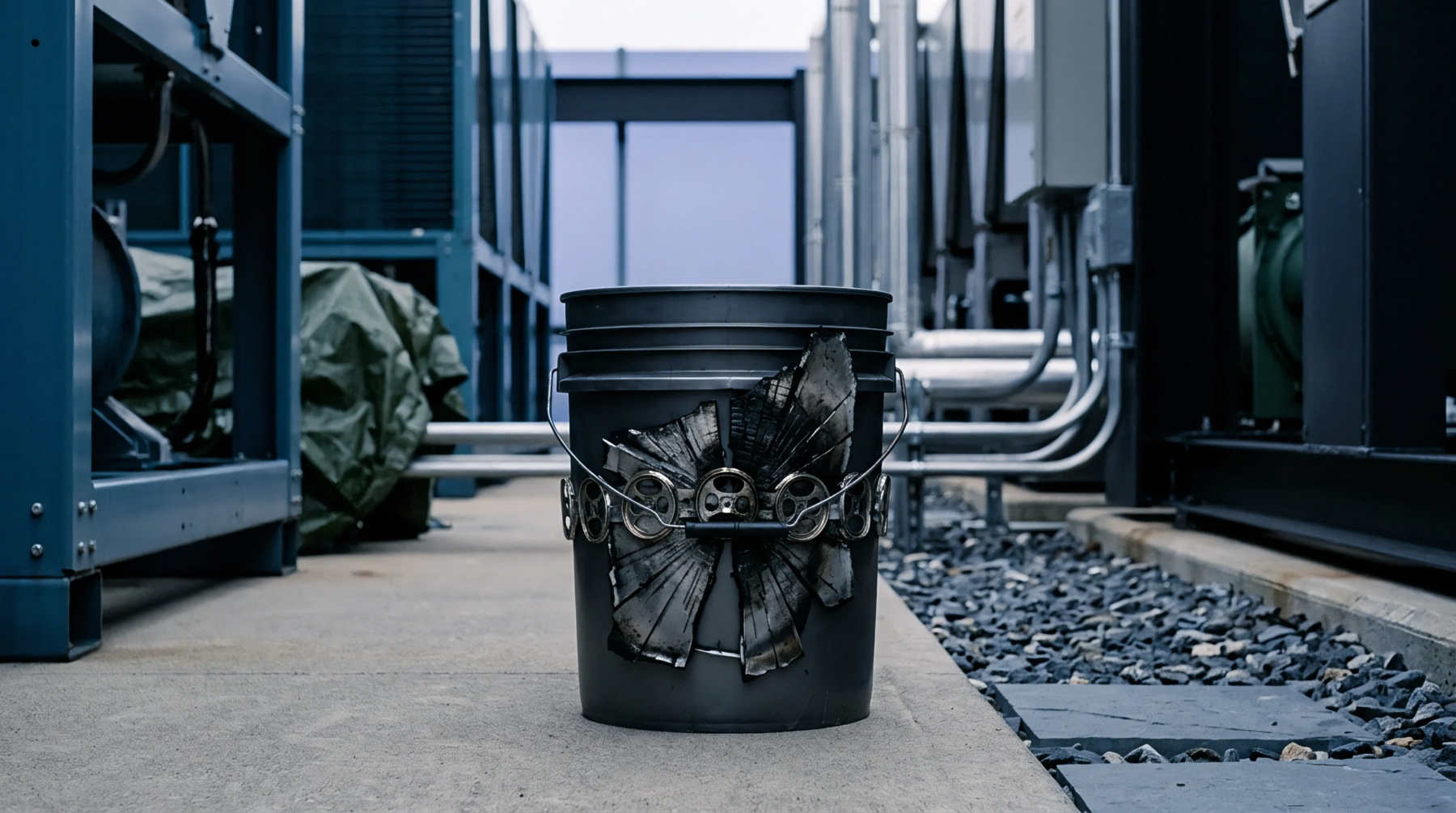
Combined high voltage and thermal stress drives exponential electrolyte salt consumption, causing localized concentration starvation and sudden capacity cliff drops.
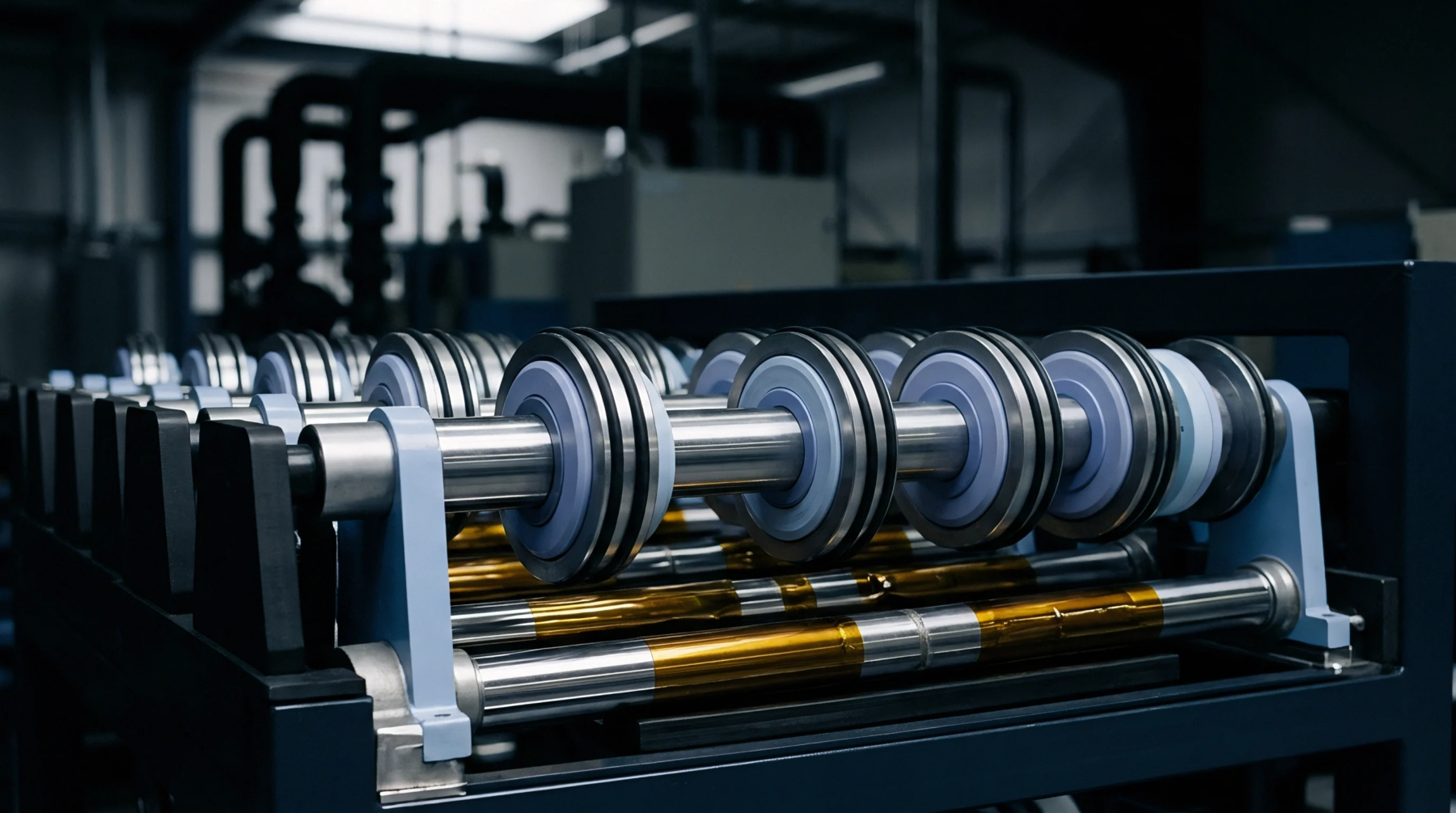
Sub-zero charging of high mass anodes causes localized salt precipitation and lithium plating, demanding strict mass loading caps and pre-heating protocols.
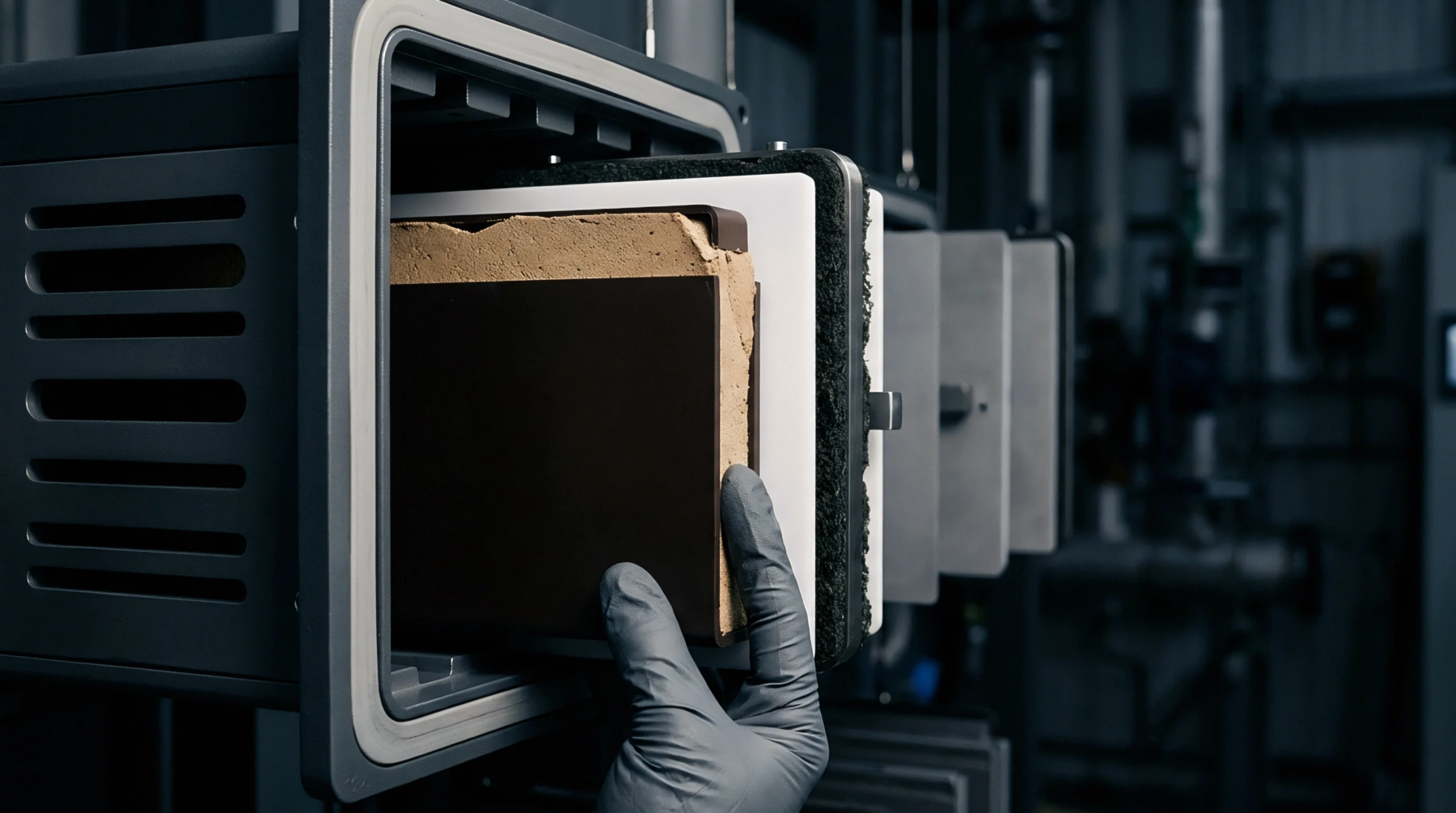
Sufficient stack pre-load retention and ceramic coating friction prevent wetted polyolefin separator sliding and tab shear in lubricated cell stacks.

Electrolyte solvent headspace analysis detects micro-leaks down to 1E-8 mbar L/s by quantifying vaporized carbonate signatures from battery seal fissures.

Sub-zero battery procurement requires matching electrolyte desolvation limits with strict non-plating charge cutoffs to protect landed cell life and warranties.
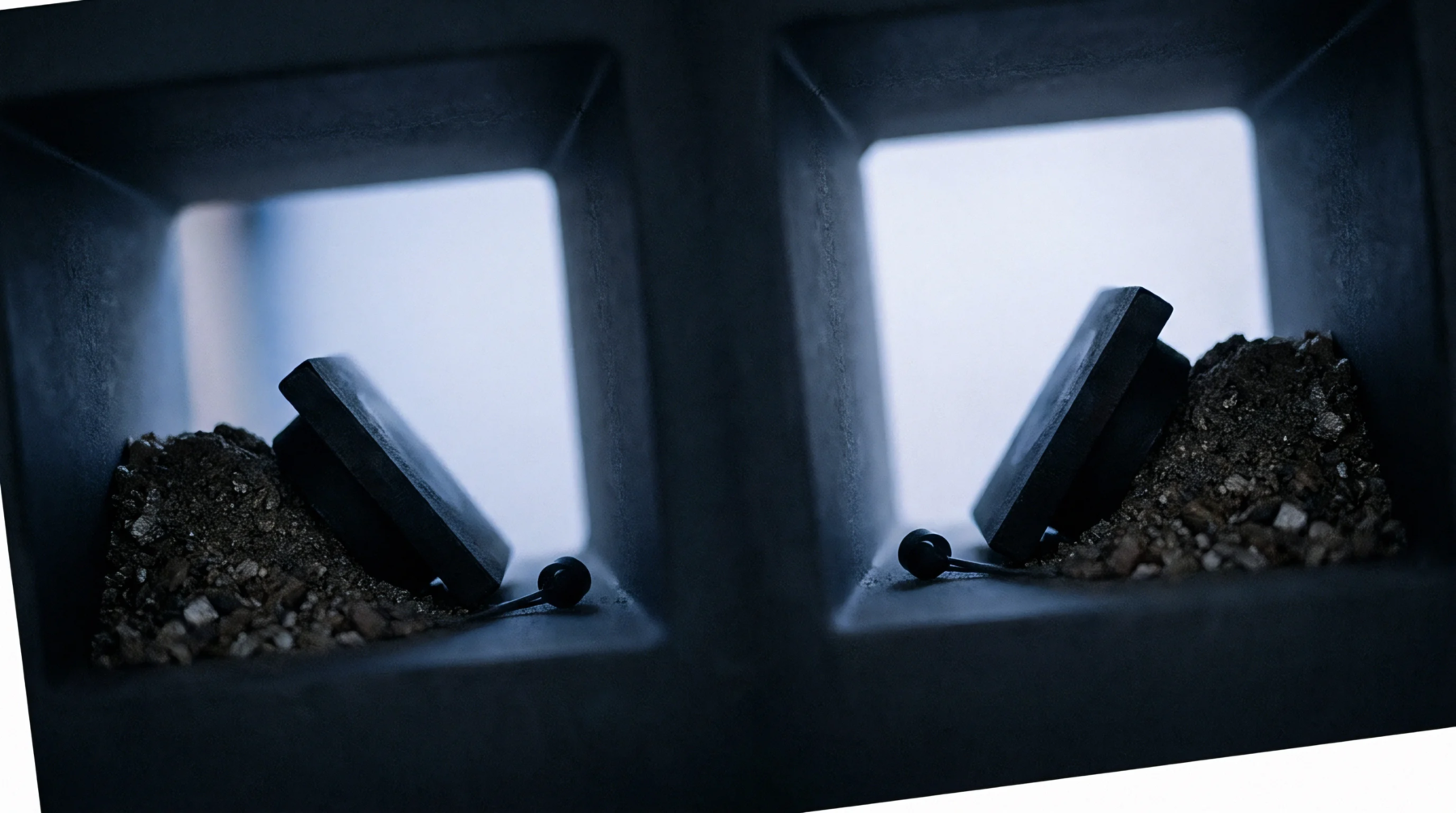
Solvent egress quantification demands micro-gravimetric balance tracking with air buoyancy corrections and chemical speciation to verify hermetic seal limits.
UN 38.3 limits lithium cell solvent leakage during transport through strict mass loss thresholds and zero visual electrolyte loss criteria across T.1-T.8 tests.

Automated off-gas screening detects lithium cell micro-venting by measuring alkyl carbonate vapors under altitude and thermal transport stress before thermal runaway occurs.

Helium leak rates overstate organic solvent vapor outgassing by orders of magnitude due to Knudsen flow transitions and lower internal solvent partial pressures.
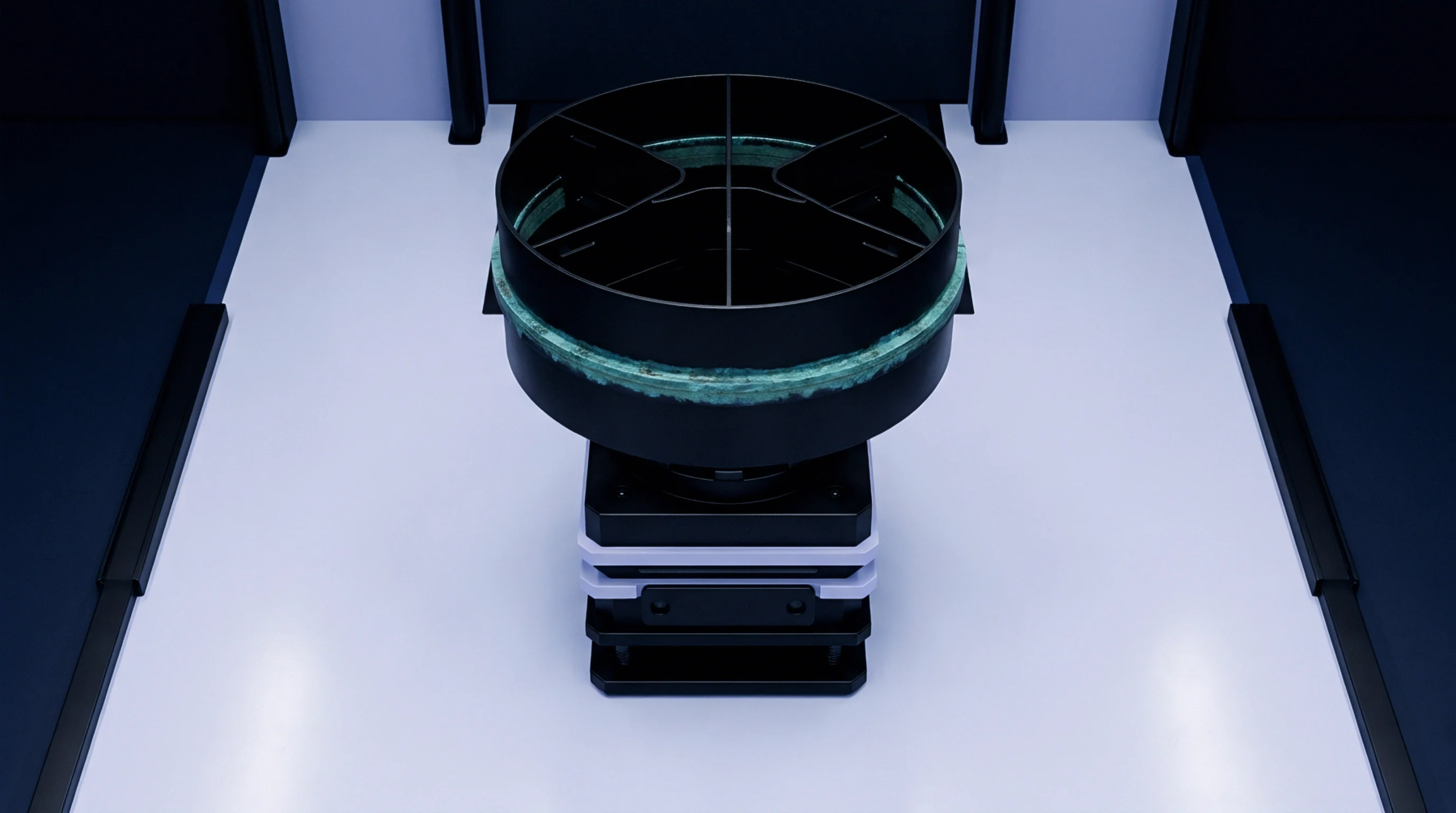
GC-MS headspace analysis measures intrinsic electrolyte solvent vapors to detect sub-micron battery seal micro-leaks below 10^-7 mbar L/s without cell destruction.
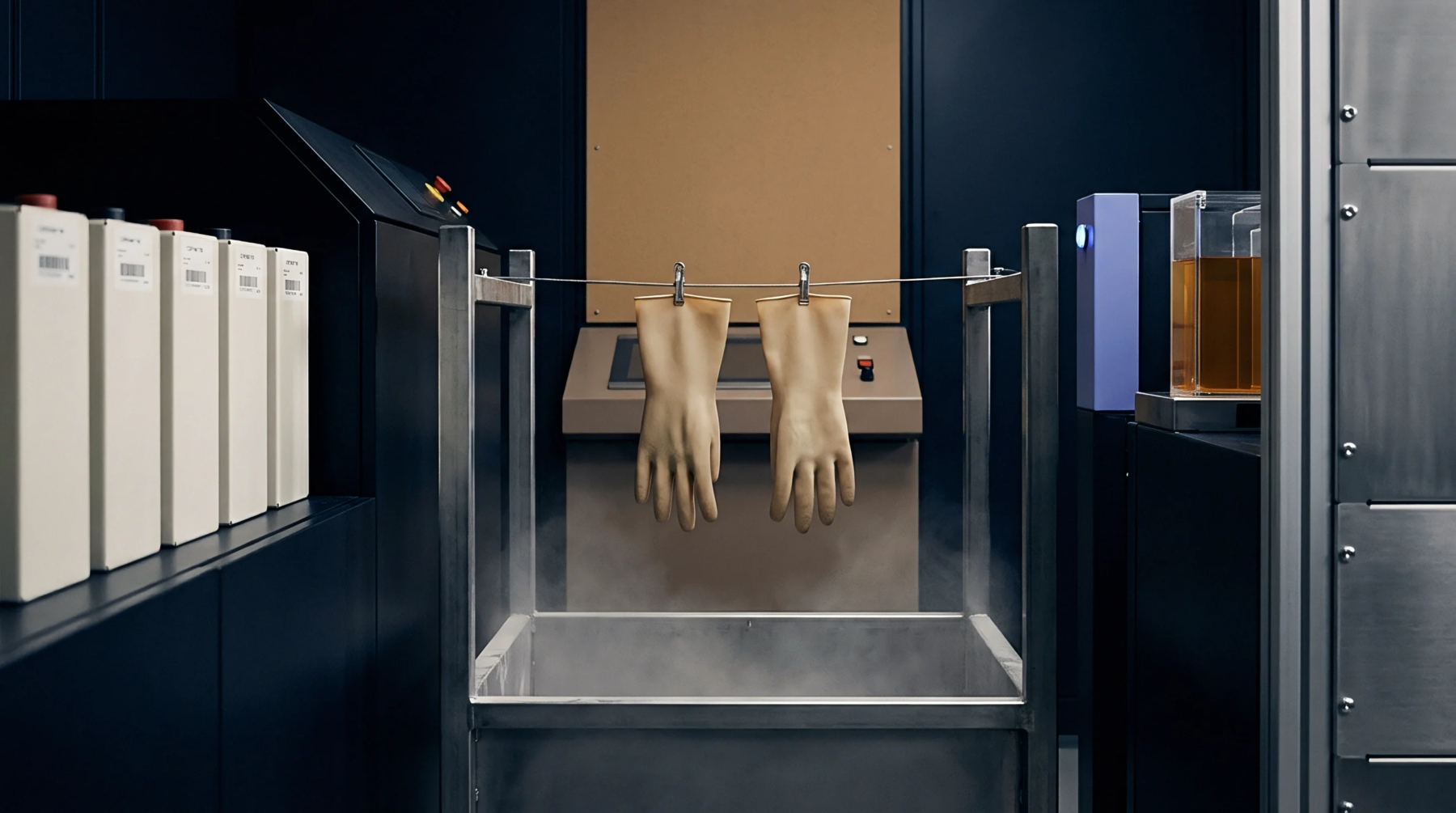
Solvent vapor quantification via thermal pre-conditioning and GC-MS headspace screening prevents dangerous goods freight rejection and isolates cell micro-leaks before pack assembly.
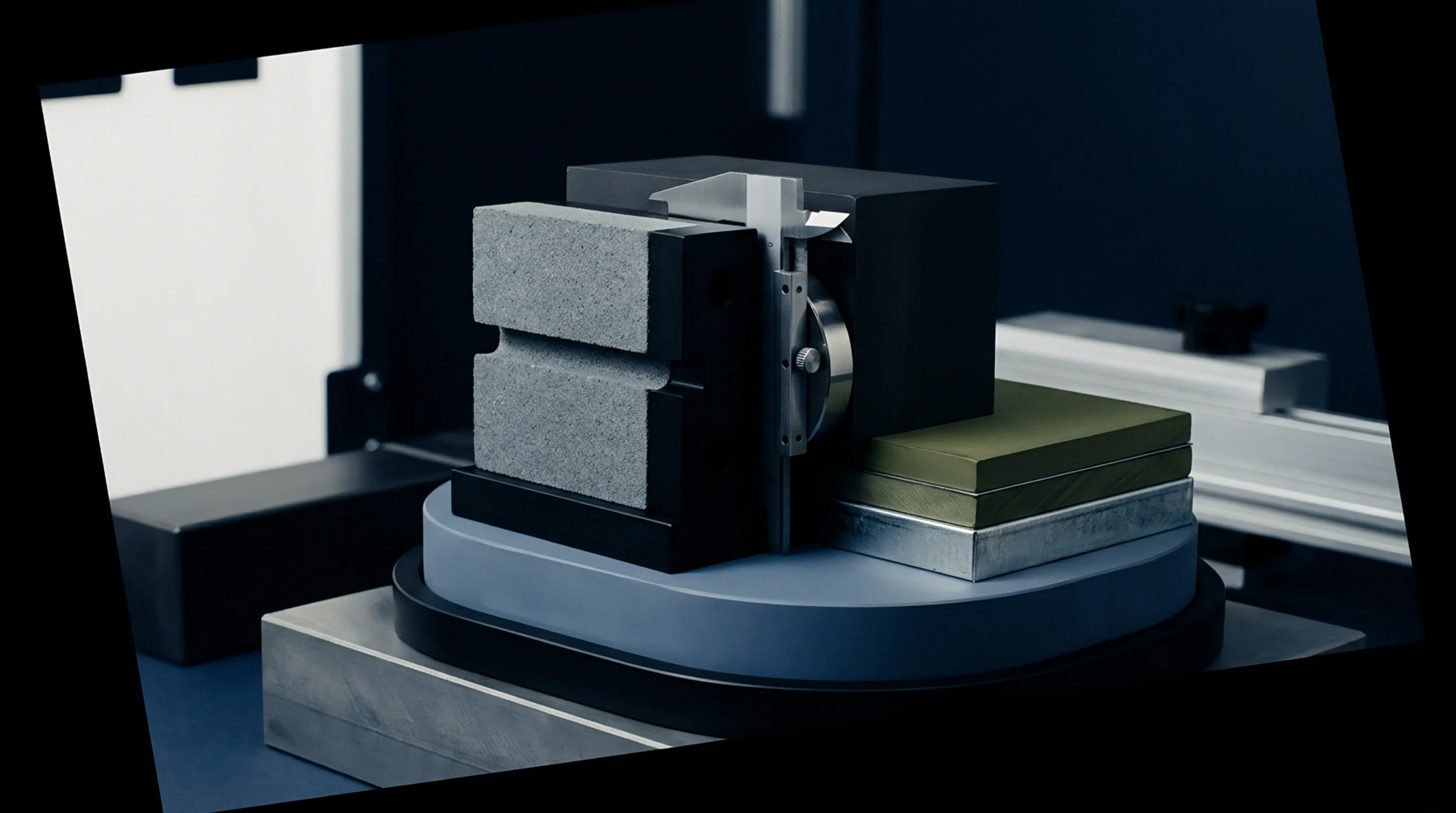
Surviving a customs safety inspection requires exact alignment between Section 3 composition, Section 9 physical properties, and Section 14 transport codes.
Expertise is a utility, not a secret. sentiention™ publishes its working knowledge as open reference: intelligence layer covering the materials it sources, the markets it enters, and the reference that serves both.