Inbound Lithium Ion Cell Receiving Inspection and Standard Operating Procedures
Inbound cell receiving mandates thermal quarantine, UN 38.3 documentation verification, four-wire impedance sampling, and strict AQL defect thresholding.


Quarantine
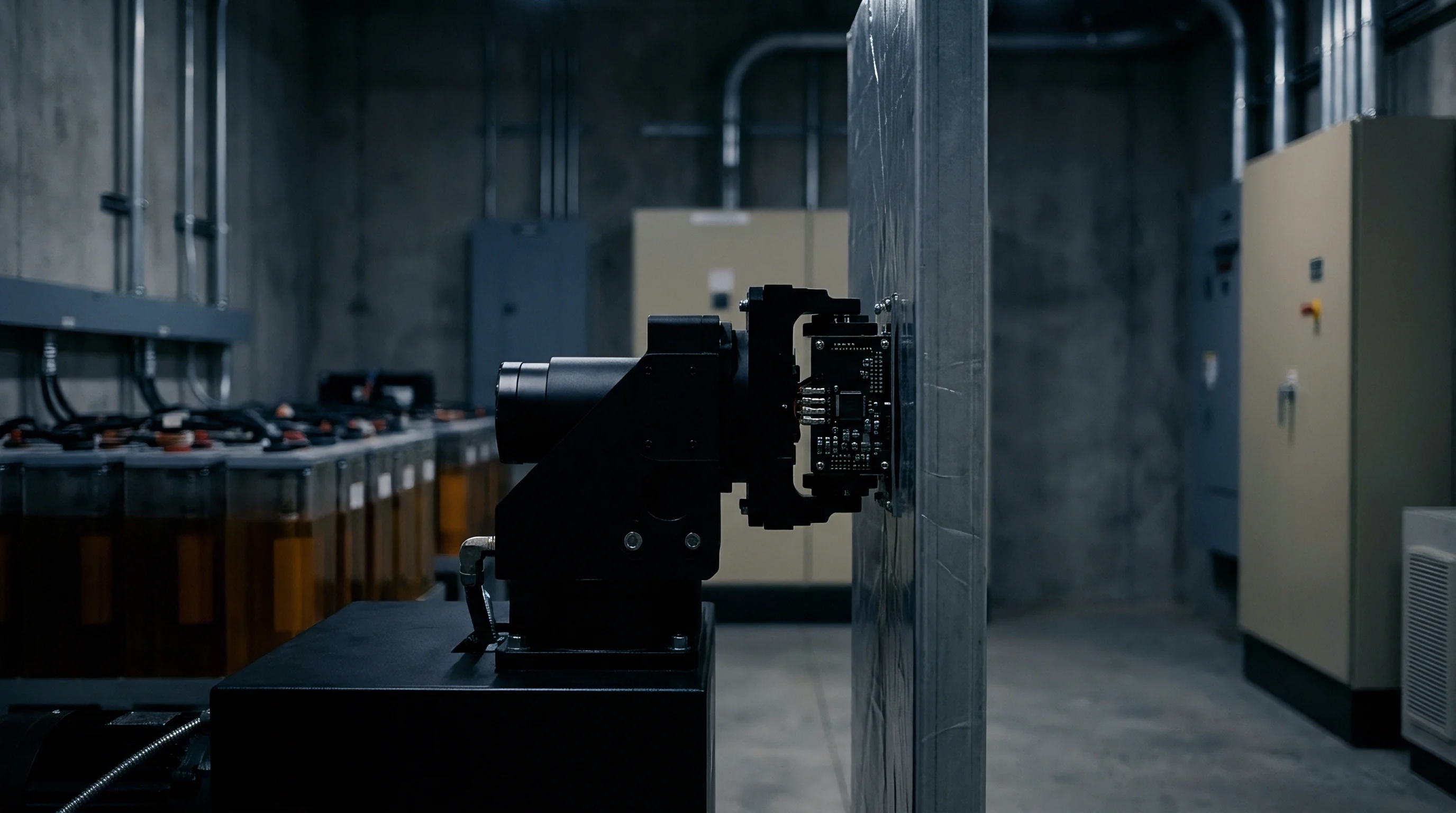
Pallets arriving at the receiving bay enter a dedicated thermal buffer zone equipped with concrete barriers and continuous infrared monitoring prior to entering general storage. Early physical isolation separates unverified shipments from active production inventory, containing potential runaway events before materials move deep inside a warehouse facility.

Dockside Thermal Screening and Immediate Triage
Infrared cameras sweep incoming shipping crates prior to unsealing, identifying localized temperature spikes that signal internal short circuits. Thermal cameras spot hot cells. Any container displaying an ambient surface temperature delta exceeding five degrees Celsius above dock baseline triggers immediate diversion to an isolated outdoor hazardous material holding bay.
Unstamped crates face immediate return.
Safe handling at the receiving dock relies on an established physical sequence that warehouse personnel execute prior to breaking ocean crate seals:
- Verify structural integrity of outer timber or corrugated packaging for crushed corners, wetness, or puncture marks before offloading from the trailer bed.
- Execute surface thermal scanning using a calibrated radiometric infrared camera across all six exterior faces of each shipping pallet.
- Cross-check package dangerous goods markings against the master bill of lading, confirming Class 9 hazard labels and UN 3480 identification tags match crate contents.
- Transport verified stable pallets directly into the thermal buffer staging zone using insulated forklift tines.
- Stage pallets with a minimum lateral spacing of 1.5 meters between units, ensuring unobstructed access for automated fire mitigation equipment.

Pallet Isolation and Physical Containment Boundaries
Concrete buffer structures fitted with overhead fire-suppression hoods prevent runaway propagation to adjacent facility zones. Fire mitigation systems in cell quarantine areas utilize high-expansion aqueous foam or dedicated lithium-rated encapsulation agent sprinklers rather than plain water. Plain water on exposed cell chemistries Risks generating hydrogen gas under high heat conditions.
The consignment stays isolated. Thermal monitoring continues throughout the forty-eight hour stabilization window while incoming documentation undergoes legal review.
Bypassing immediate isolation creates unquantified thermal runaways that destroy storage facilities and invalidate corporate property insurance policies.

Paperwork
Documentation arriving alongside battery shipments forms the legal foundation for regulatory transport compliance and warranty enforcement. Customs border enforcement agencies and commercial dangerous goods forwarders hold authority to detain cargo indefinitely when documentation exhibits missing clauses or mismatched serial ranges.

Dangerous Goods Compliance and Regulatory Filings
The UN 38.3 test summary provides verified evidence that lithium ion designs passed mandatory altitude, thermal, vibration, impact, external short circuit, and overcharge evaluations. Safety files travel separately. Carrier acceptance requires a compliant test summary containing the ten mandatory data points specified in Section 38.3.5 of the UN Manual of Tests and Criteria.
Missing manufacturer sign-offs or unaccredited laboratory credentials invalidate the entire shipping dossier.
Section 38.3.5 of the UN Manual of Tests and Criteria obligates manufacturers to make test summaries available throughout the supply chain, and missing summary documentation grounds air freight shipments at border customs.

Verification of Test Summaries and Mill Certificates
Factory batch analysis documentation records electrochemical metrics from the specific lot, enabling direct cross-referencing against incoming physical units. Verification protocols match lot numbers, manufacturing date codes, and cell capacity grades against the master contract specification. Discrepancies between certified capacity and incoming batch sample averages indicate potential cell sub-grading or unauthorized factory sub-contracting.
| Document Type | Mandatory Standard / Clause | Critical Data Fields | Acceptance Criterion |
|---|---|---|---|
| UN 38.3 Test Summary | UN Manual Sec 38.3.5 | Test report number, lab ISO 17025 accreditation, cell mass, chemistry | Full compliance across T1-T8 subtests signed by authorized lab manager |
| Dangerous Goods Declaration | IATA PI 965 / IMDG Code 3.1.2 | UN 3480 designation, state of charge certification (<30%), net quantity | Exact matching of package count, weight limits, and shipper signatures |
| Certificate of Analysis | IEC 61960-3 Clause 5.2 | Batch OCV distribution, ACIR statistics, nominal capacity spread | Three-sigma statistical distribution falling within contract window |
| Safety Data Sheet | OSHA 29 CFR 1910.1200 / REACH | Electrolyte composition, CAS numbers, fire-fighting media, transport class | Current revision issued within 24 months with matching manufacturer details |
| Note: Documentation must be audited and cleared by dangerous goods compliance personnel before releasing physical pallets from quarantine staging. | |||
Clause 7.2 of the international transport standard assigns full legal responsibility for hazardous material declarations to the party listed as importer of record.

Swell
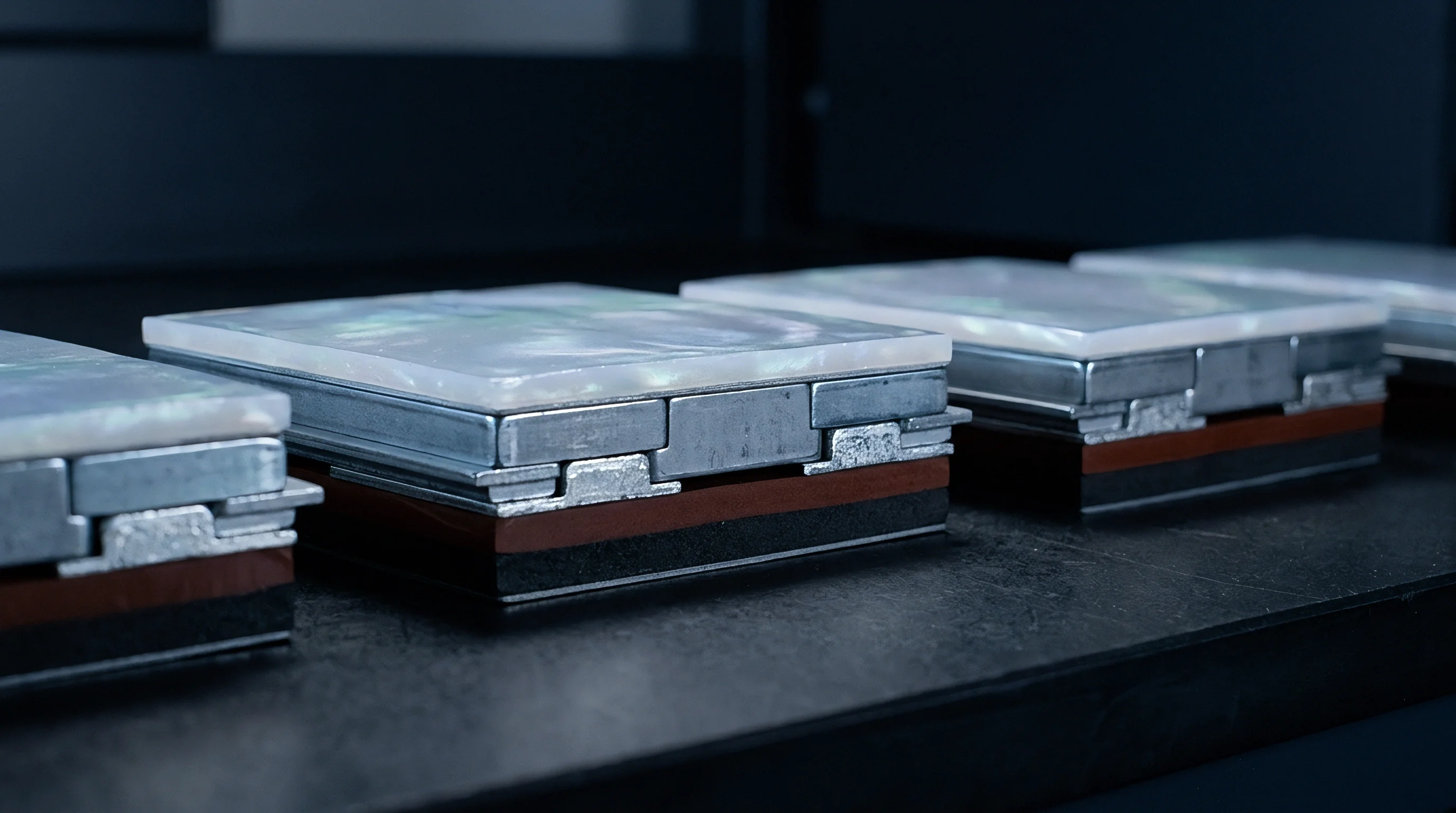
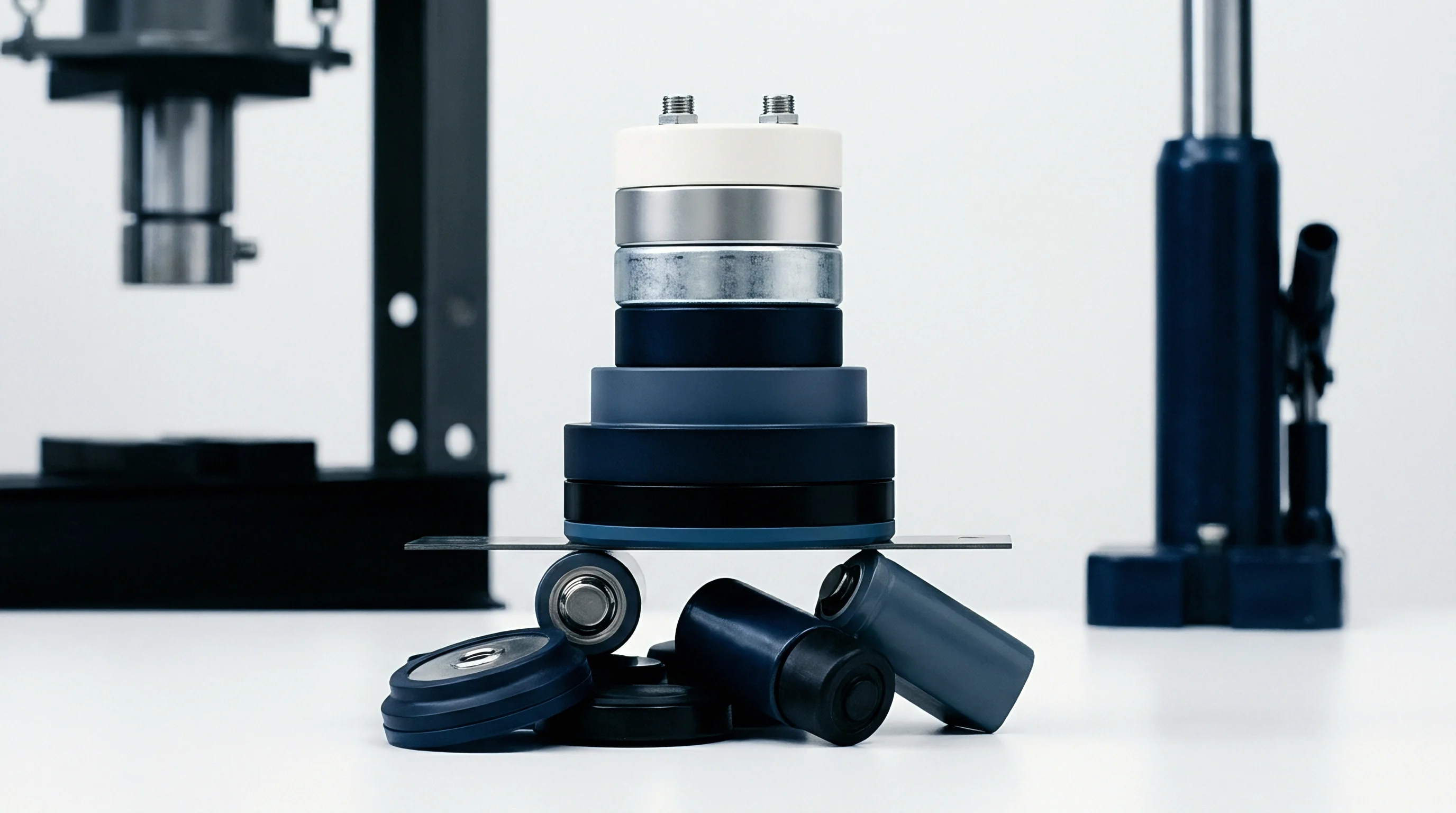
Physical dimensioning of lithium cells during incoming inspection detects structural deformation driven by internal gas evolution or cathode degradation. Dimensional variances beyond strict drawing tolerances prevent automated pack stacking and exert excessive pressure on module enclosures.

Volumetric Expansion Tolerances in Pouch and Prismatic Formats
Laser displacement sensors or calibrated micrometer jigs measure total cell thickness under controlled contact pressure. Pressure warps cell cases. Pouch formats expand during prolonged storage due to trace electrolyte decomposition and parasitic reactions at the electrode interface.
Gas accumulation indicates decay. Dimensional inspection of prismatic aluminum cans checks for side-wall bulging across the main faces, where internal pressure forces thin metal walls outward.

Mechanical Inspection and Casing Integrity
Visual examination identifies surface pitting, dented header structures, torn pouch seals, and trace electrolyte leakage around flame-arresting vents. Physical defects compromise long-term environmental sealing and electrical insulation integrity.
- Pouch Seal Delamination indicates moisture ingress or thermal over-stressing along the peripheral heat-seal seam. Moisture ruins electrolyte.
- Header Crease Deformation points to axial impact during container transit, risking rupture of the internal current collector tabs.
- Anode Terminal Oxidation reveals exposure to humid ambient conditions during oceanic container transit, increasing electrical contact resistance.
- Vent Membrane Discoloration flags localized micro-venting events triggered by high thermal exposure inside shipping containers.
Suppliers frequently attribute minor pouch inflation to atmospheric pressure changes during air transit rather than internal electrochemical gassing.

Probing
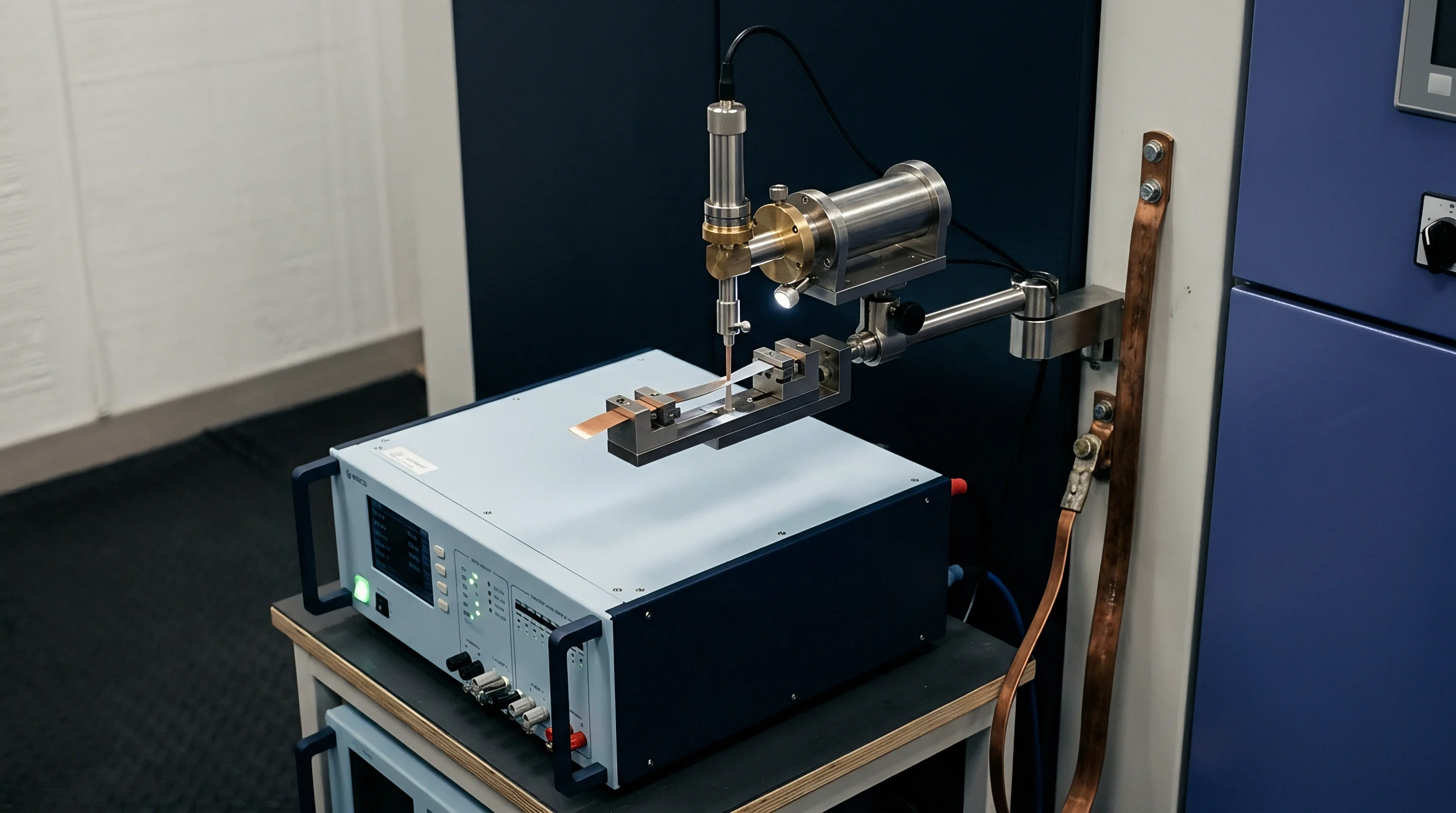
Electrochemical screening relies on high-precision four-wire Kelvin connections to evaluate initial open-circuit voltage and internal impedance. Four-wire measurement isolates lead and contact resistance, delivering milliohm-accurate AC impedance readings at standard test frequencies.

Why Do Sealed Cell Shipments Shift Voltage during Transit?
Thermodynamic equilibration of intercalated ions and ambient temperature swings alter terminal potential between factory packaging and dock delivery. Voltage relaxation takes time. A normal cell exhibits predictable self-discharge behavior driven by double-layer capacitance relaxation and baseline solid electrolyte interphase maintenance.
Delta OCV predicts self-discharge. Abnormally high self-discharge rates signal microscopic separator defects or metal contaminant migration that degrades cell performance over time.
Cells exhibiting an AC impedance shift greater than fifteen percent relative to the factory batch cert indicate internal tab welding defects or micro-shorting.

Four-Wire AC Impedance and DC Resistance Measurement
Alternating current resistance measured at one kilohertz captures ohmic and charge-transfer contributions without polarizing the electrode interfaces. Kelvin contacts eliminate lead resistance. Direct current resistance measurements apply short current pulses to extract total pack losses under load, providing a clearer indication of heavy discharge capabilities.
| Chemistry Type | Nominal Shipping OCV | 1 kHz ACIR Tolerance | Max Allowable K-Value |
|---|---|---|---|
| Lithium Iron Phosphate (LFP) | 3.25 V to 3.28 V | 0.5 mΩ ± 0.08 mΩ | 0.15 mV / day |
| Nickel Manganese Cobalt (NMC 811) | 3.50 V to 3.55 V | 0.8 mΩ ± 0.10 mΩ | 0.25 mV / day |
| Lithium Titanate Oxide (LTO) | 2.20 V to 2.24 V | 0.3 mΩ ± 0.05 mΩ | 0.10 mV / day |
A steady drop in open circuit voltage during resting indicates internal micro-shorts that eventually turn into severe thermal hazards.

Sampling
Statistical lot verification balances testing overhead against the financial risk of accepting compromised cell shipments. Inspecting every individual cell in a multi-thousand unit container proves commercially infeasible, necessitating standardized statistical sampling schemes based on probability distributions.
ANSI/ASQ Z1.4 Acceptance Quality Limits and Inspection Levels
General Inspection Level II governs standard receiving workflows, establishing test lot quantities based on total shipment volume. Tolerance bands set compliance. Acceptance Quality Limit (AQL) parameters establish strict boundaries for defect classification:
- Critical Defect Thresholds set an AQL of 0.40 for conditions causing severe safety hazards, including active electrolyte leakage, incorrect polarity, or physical short circuits.
- Major Defect Thresholds set an AQL of 1.0 for functional non-conformities, such as OCV deviations exceeding specifications or high internal AC impedance. Impedance shifts signal internal degradation.
- Minor Defect Thresholds set an AQL of 2.5 for non-functional anomalies, including cosmetic pouch scratches, faint serial inkjet printing, or minor packaging denting.

Worked Lot Acceptance Calculation and Failure Thresholds
Consider an inbound consignment containing forty thousand 21700 lithium ion cells delivered on ten wrapped pallets. Under ANSI/ASQ Z1.4 General Inspection Level II Normal Single Sampling, a lot size of 40,000 units corresponds to Sample Size Code Letter M, dictating a sample size of 315 cells drawn at random across all ten pallets.
Testing parameters applied to the 315 sample cells yield explicit acceptance and rejection numbers based on target AQL percentages:
For Critical Defects (AQL 0.40), the acceptance number is 3 units and the rejection number is 4 units. For Major Defects (AQL 1.0), the acceptance number is 7 units and the rejection number is 8 units. For Minor Defects (AQL 2.5), the acceptance number is 14 units and the rejection number is 15 units.
If receiving engineers discover 2 critical defects, 5 major defects, and 10 minor defects during channel testing, the lot meets acceptance criteria because each defect category remains at or below its respective acceptance number. Defective lots prompt immediate holds. Conversely, uncovering 1 critical defect and 9 major defects triggers immediate lot rejection, as the 9 major defects exceed the rejection threshold of 8 units, regardless of low critical defect counts.
Testing a three-hundred-fifteen-cell sample from a forty-thousand-unit shipment provides ninety-five percent statistical confidence that lot defect rates remain below one percent.
Rejecting a full shipment imposes immediate container demurrage charges and risks assembly line starvation if replacement stock takes weeks to arrive. Screening the entire forty-thousand-cell shipment in-house absorbs hundreds of technician hours and dedicated test channels. The commercial decision pits screening costs against line disruption risks.
Whether suppliers should absorb the full labor cost of buyer-side lot re-screening remains a point of negotiation in standard supply agreements.


Dispute
Uncovering non-conforming cells during receiving inspection triggers formal commercial escalation and isolation of the affected container. Clear diagnostic evidence collected during initial receiving protects the buyer from financial absorption of supplier quality failures.

RMA Mechanics and Quarantine Hold Logistics
Formally issuing a material rejection notice halts invoice payment schedules and initiates joint third-party laboratory testing. Static damages protection boards. The buyer holds the non-conforming lot in thermal quarantine, securing physical evidence while preventing compromised cells from entering module manufacturing lines.
Quarantine holds block inventory movement inside the warehouse enterprise resource software until legal release.

Contractual Allocation of Regulatory Risk and Chargebacks
Master purchase agreements determine whether re-docking fees, dangerous goods disposal costs, and line-down penalties fall on the overseas manufacturer. Strong supplier contracts contain explicit clauses covering receiving failures:
Failing to document incoming cell defects within five business days typically waives the buyer’s right to submit return material authorization claims.
Re-docking expenses incurred when shipping hazardous cargo back across borders often surpass the original freight value. Landed-cost models must account for customs duty draw-backs on rejected material. Documenting exact cell serial numbers alongside time-stamped OCV logs ensures that warranty claims survive aggressive legal challenge.