Meaning
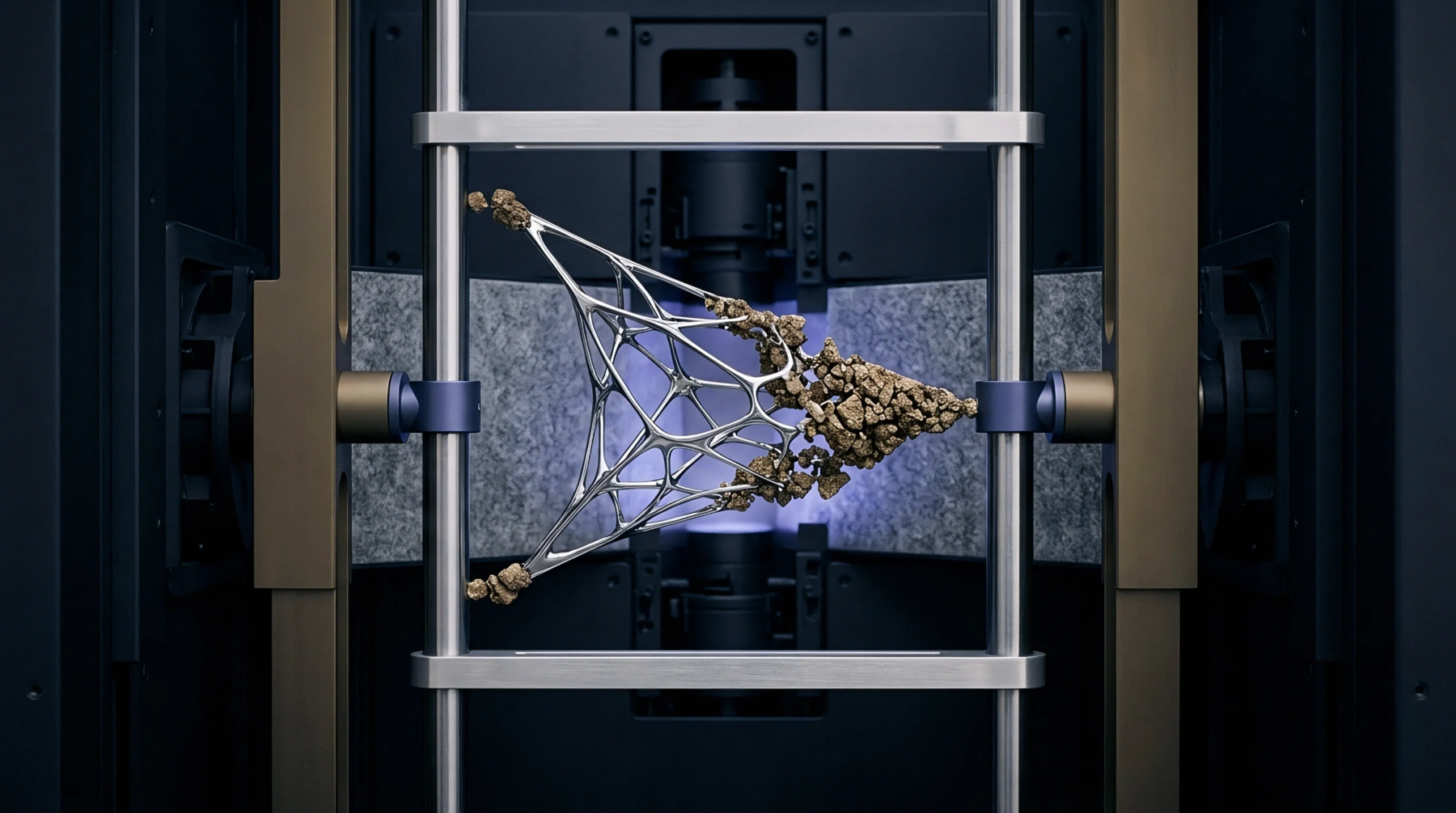
Sourcing process of raw or refined chemical powders that store and release lithium ions in a battery cell. This operation, known as active material procurement, governs the selection, contracting, and acquisition of precursor compounds like nickel manganese cobalt hydroxides. The boundary of this commercial activity stops at the point of physical delivery to the electrode manufacturing plant.
Sourcing Metric
Quantitative measures of purity and chemical consistency determine the viability of incoming shipments. In active material procurement, technical buyers measure transition metal ratios and trace metal contaminants to prevent premature battery degradation. Such analysis ensures that purchased powders conform to strict electrochemical specifications before cell assembly.
Supplier Evaluation
Production capacity audits confirm whether a manufacturer can meet high-volume factory demands over long-term contracts. During active material procurement, engineering teams inspect the calcination furnaces and precursor precipitation lines of the vendor. These audits reduce the likelihood of supply disruptions during production ramps.
Contractual Clause
Price indexing mechanisms protect both parties from raw material price volatility on international metal exchanges. Contracts in active material procurement typically tie final powder prices to London Metal Exchange or Shanghai Metals Market benchmarks for lithium, nickel, and cobalt. This pricing structure helps stabilize long-term battery cell production costs by adjusting payments automatically as market rates shift.
Companies rely on these clauses to maintain predictable margins.