
Hard Carbon Structural Optimization for Sodium Battery Anodes
Optimize hard carbon for sodium anodes by expanding d002 spacing above 0.37 nm and CVD-sealing open surface pores to keep BET area under 5 m2/g and ICE over 87%.
Optimize hard carbon for sodium anodes by expanding d002 spacing above 0.37 nm and CVD-sealing open surface pores to keep BET area under 5 m2/g and ICE over 87%.
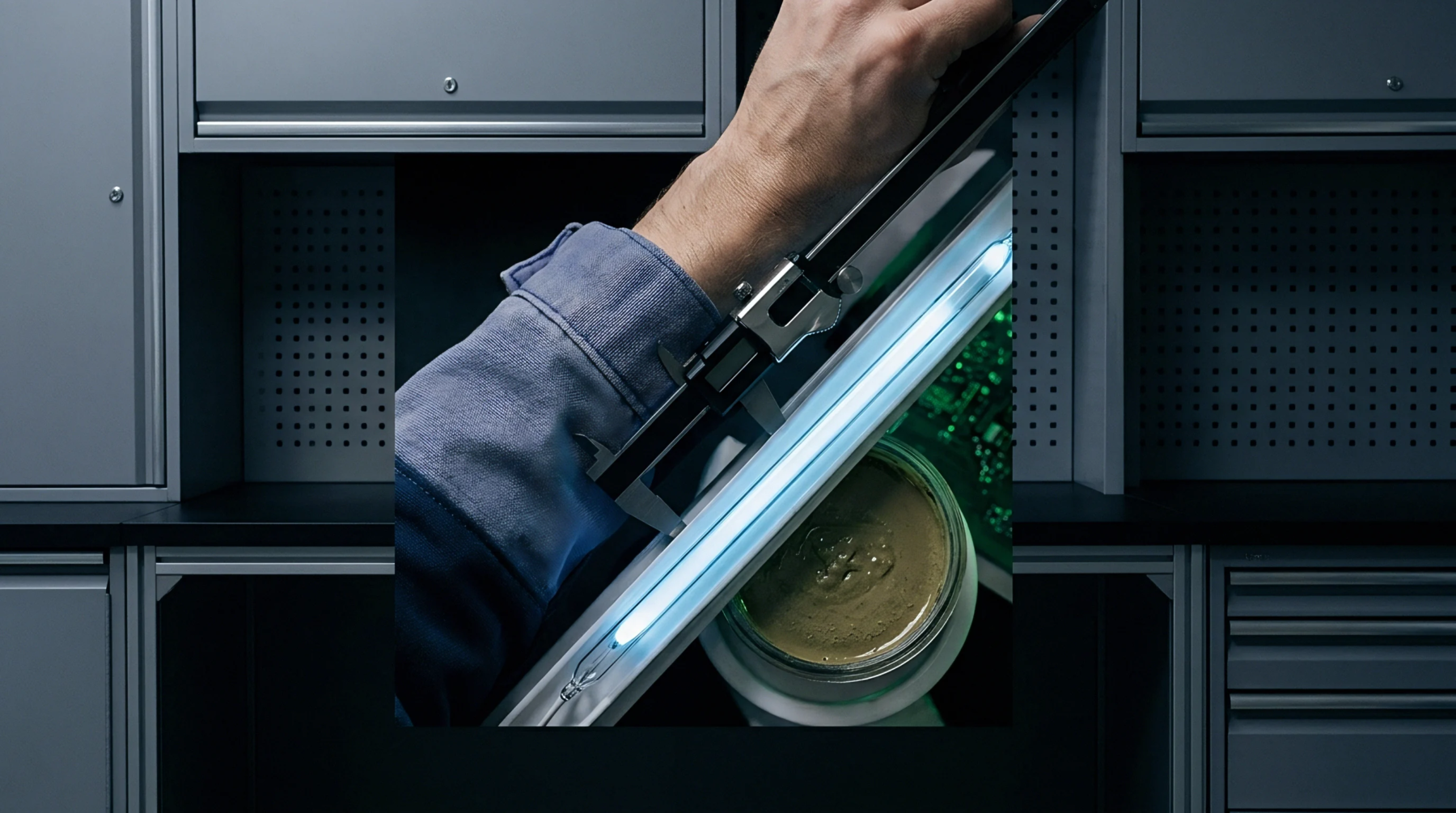
Controlling kiln residence times under 0.8 seconds prevents volatile gas cracking and eliminates graphitic passivation on battery anode particles.

Tuning hard carbon d002 spacing to 0.37 nm and eliminating open surface area elevates sodium anode initial Coulombic efficiency above 90 percent.
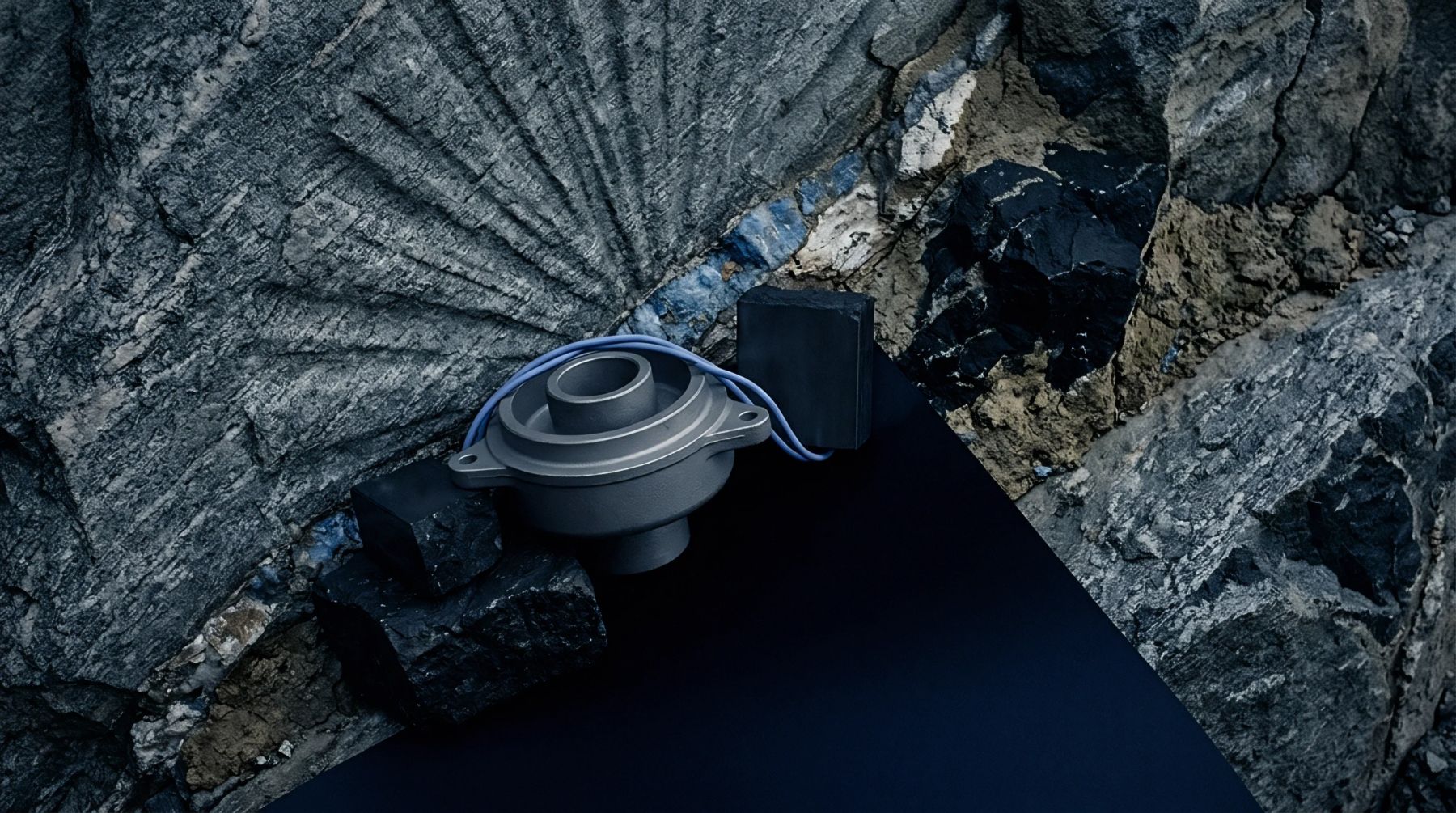
Industrial hard carbon synthesis requires balancing precursor purity and kiln thermal profiles to maximize initial coulombic efficiency and battery capacity.

Sodium oxalate provides 400 mAh/g presodiation capacity at 3.9-4.2V, releasing CO2 that demands specialized two-stage degassing lines and tooling.

Operando X-ray diffraction maps real-time residual strain in doped hard carbons, linking heteroatom defect density to cycle degradation and material specs.

Optimal defect passivation windows between 1100°C and 1300°C balance hard carbon surface area reduction, initial efficiency, and long-term cycle degradation.

Hard carbon performance relies on precursor heteroatom crosslinking and tuned carbonization thermal ramps to maximize closed porosity and initial capacity.
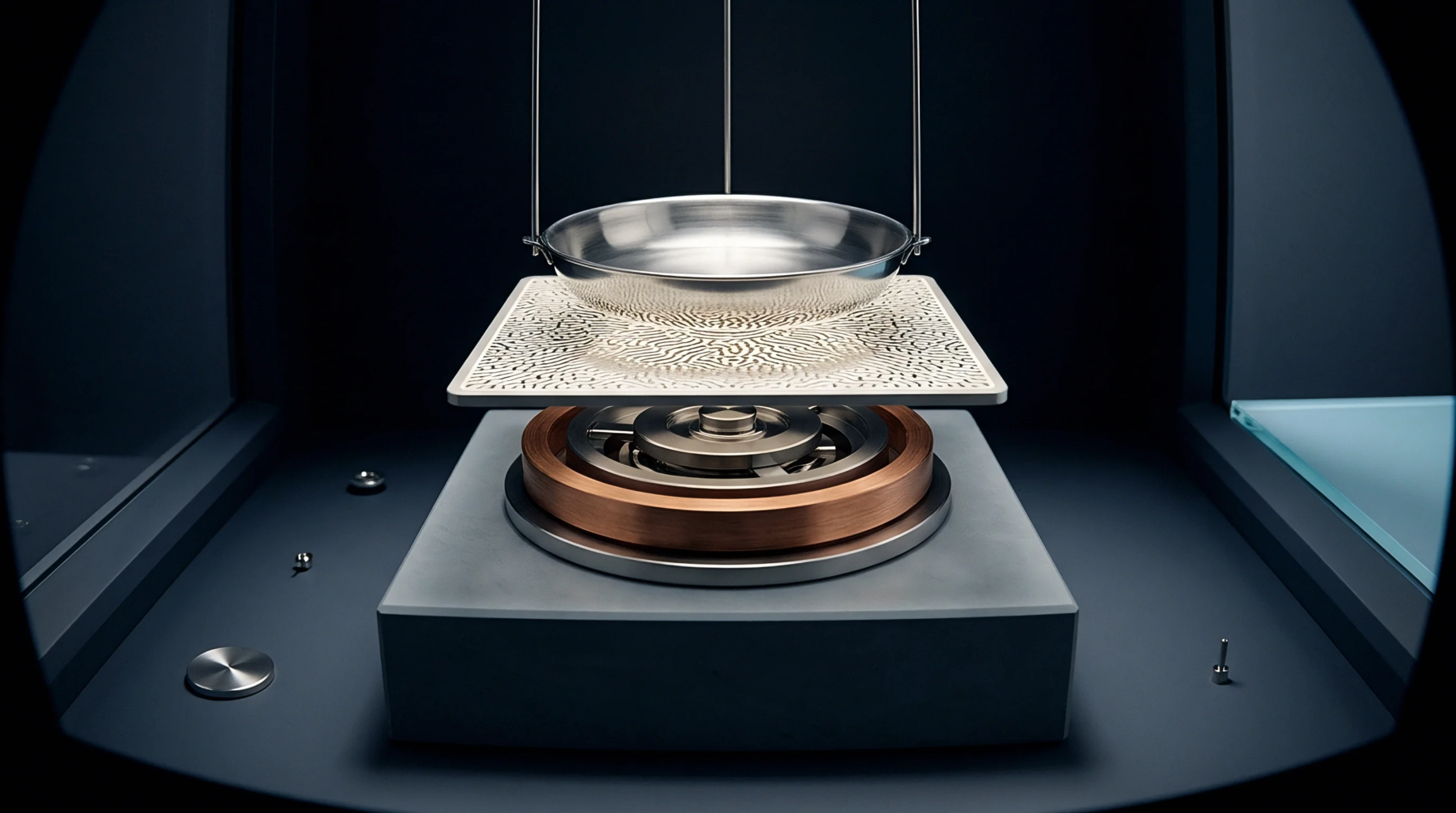
Structural d002 degeneracy and closed pore collapse lower hard carbon plateau capacity and initial coulombic efficiency, requiring tight kiln thermal controls and compaction limits.

Precise pyrolysis temperature control between 1200°C and 1300°C optimizes hard carbon d002 spacing to 0.37-0.38 nm, maximizing reversible plateau capacity.
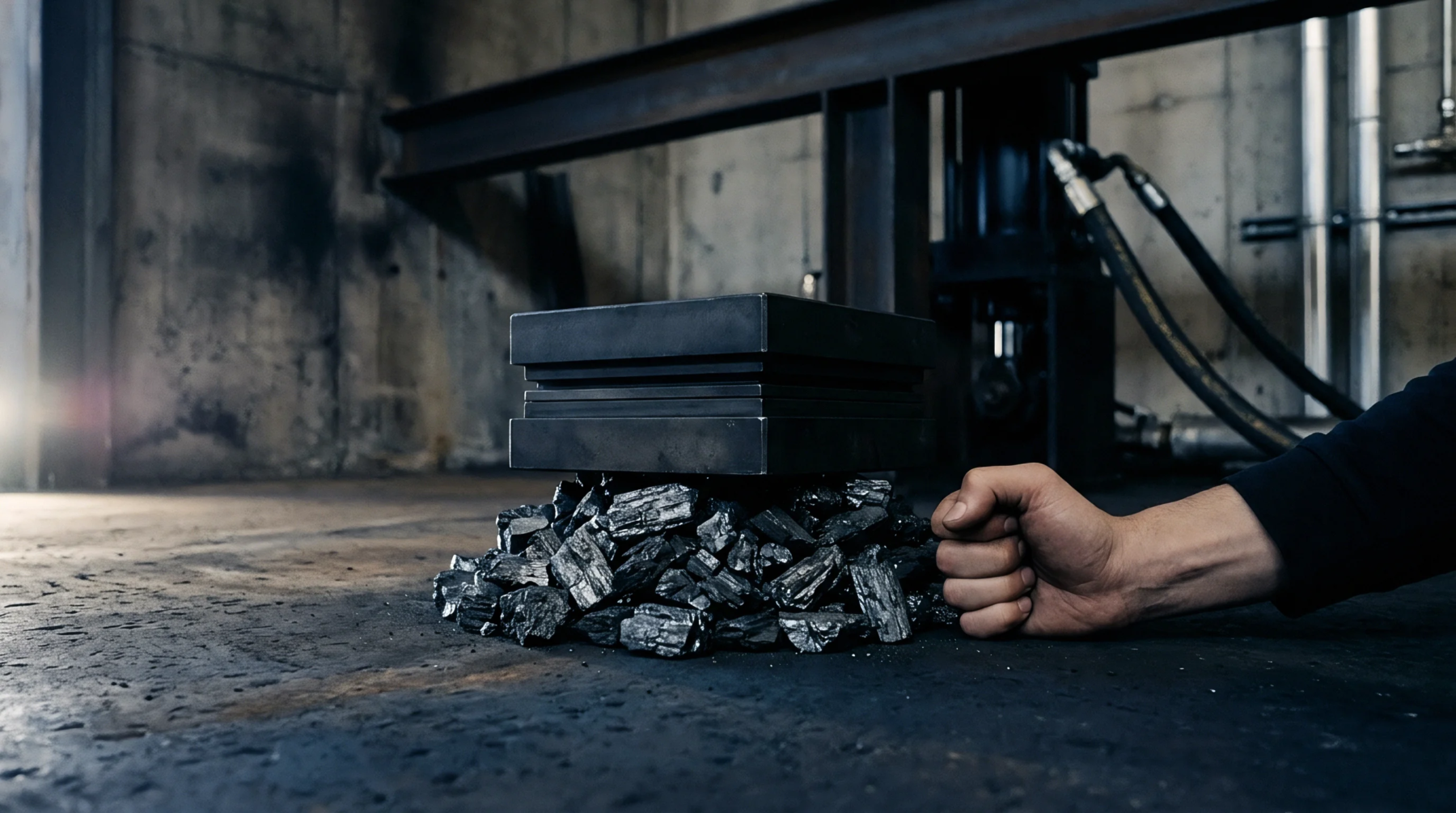
Hard carbon anode selection balances d002 spacing above 0.37 nm, BET area under 3 m2/g, and calender density below 1.05 g/cm3 to secure 88% initial efficiency.
Closed pores dictate low-voltage plateau capacity in hard carbon; verify skeletal density via pycnometry and scattering to stop plating defects.

Ozone-assisted pre-oxidation creates oxygen bridges that maximize closed pore nanovoids in hard carbon, raising initial coulombic efficiency above ninety percent.
Expertise is a utility, not a secret. sentiention™ publishes its working knowledge as open reference: intelligence layer covering the materials it sources, the markets it enters, and the reference that serves both.