Meaning
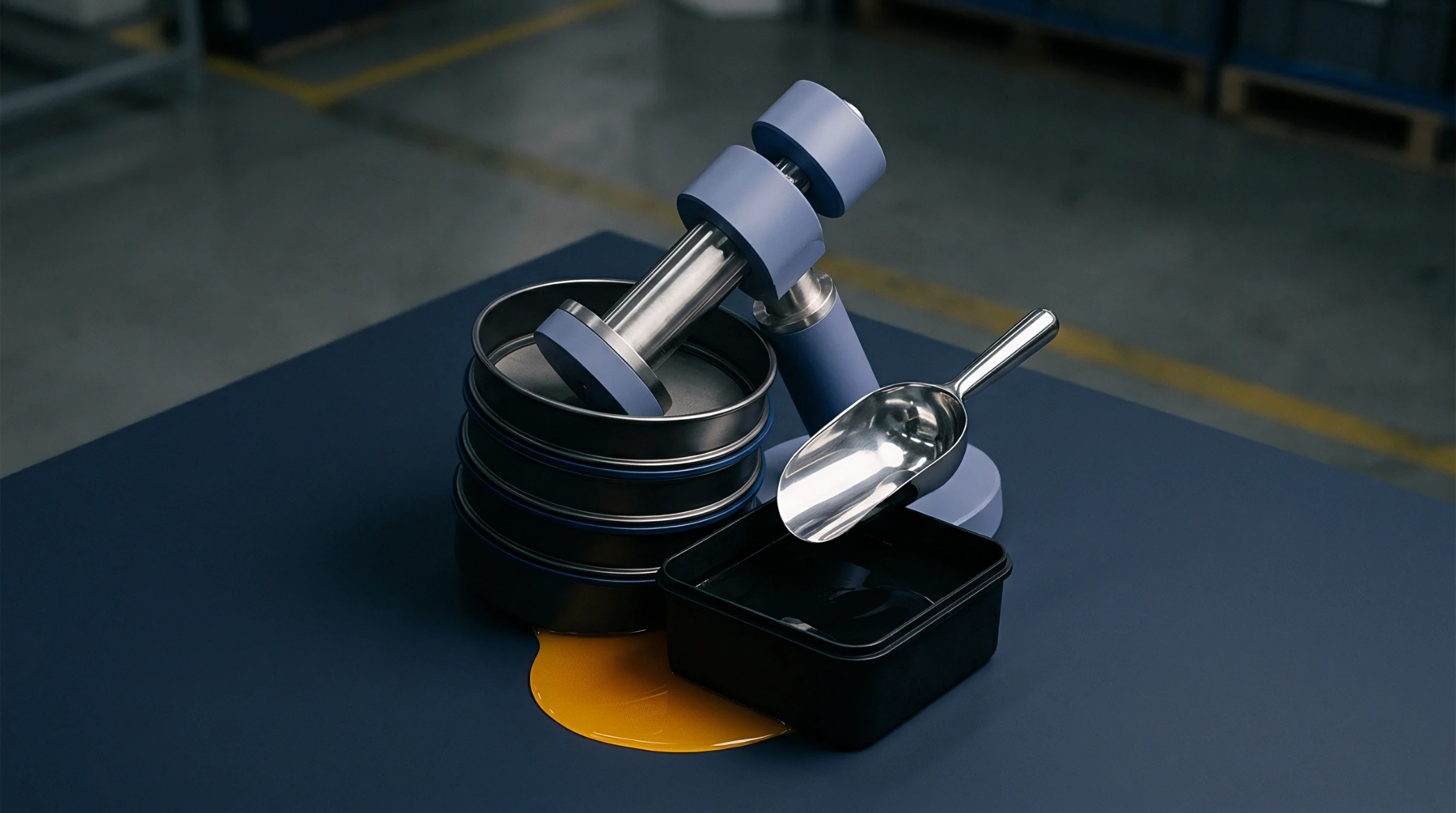
The Hall flow rate standard provides a quantified measure of the time required for a specific mass of metallic powder to pass through a calibrated orifice under gravity. Within the powder metallurgy industry, astm b213 establishes the protocol for assessing flowability by timing the discharge of fifty grams of material through a standardized funnel. This procedure governs the selection of powders for automated die filling operations and rapid manufacturing cycles where consistent delivery of material proves essential for part density.
Outside the laboratory, the method applies only to free flowing powders capable of exiting the orifice without external vibration or mechanical assistance.
Flow Velocity
Gravity dictates the movement of metallic particles through the conical exit aperture during this assessment. Because friction between particles or against the funnel wall slows descent, the test measures the combined effect of particle shape, surface morphology, and size distribution. Friction losses occur when irregular or extremely fine powders bridge the opening, creating a measurable deviation from baseline performance.
Technicians measure the duration from the release of the gate until the final particle clears the funnel stem to derive the flow rate. Higher flow rates suggest spherical or smooth particles that permit rapid mold filling in high speed presses. Lower rates indicate high surface area or adhesive characteristics that demand modified hopper designs or feed shoes to prevent stalls.
Particle Morphology
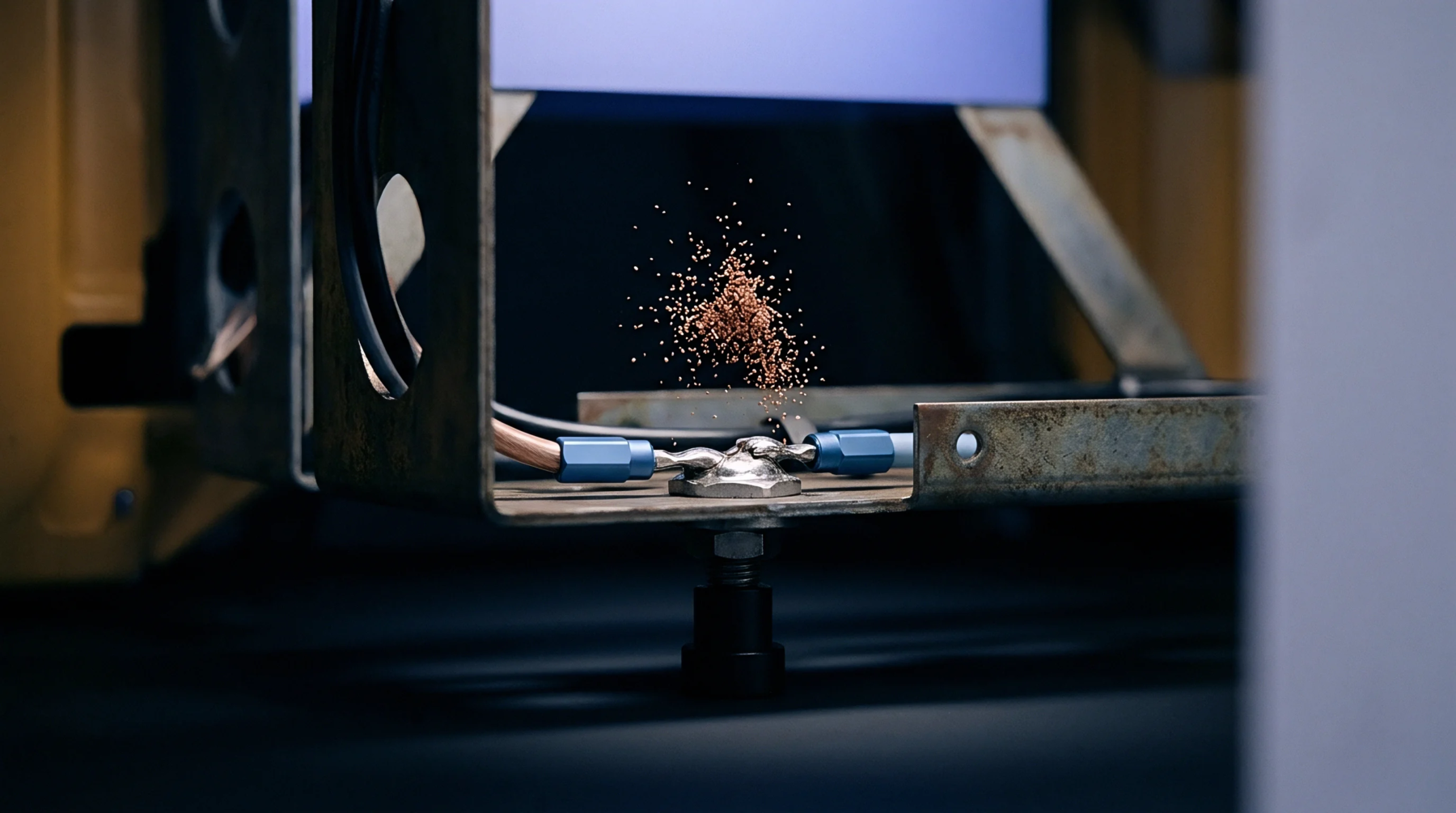
Material characteristics influence the movement of metal through the testing apparatus in predictable ways. Large, spherical particles experience less resistance than acicular or sponge particles, which exhibit higher internal cohesion. Powder producers modify processing techniques like gas atomization or water atomization to alter these physical traits, thereby shifting the flow rate into a range acceptable for commercial consolidation.
Every change in the production cooling rate or chemical composition modifies the resulting powder morphology, which necessitates periodic checks against the target flow benchmark to ensure compliance. Procurement managers use these values to verify that incoming feedstock matches the established baseline for production line stability.
Quality Assurance
Manufacturing variability requires a standardized check for batch consistency that avoids subjective assessment. Producers confirm the utility of the powder for specific automated press equipment by verifying that the time taken for material discharge remains within defined millisecond tolerances. Deviations from expected discharge intervals signal shifts in the production process or contamination from foreign matter, both of which degrade the quality of pressed components.
This standard enforces a strict physical boundary between acceptable feedstocks and materials prone to bridging or clogging in storage containers. A validated flow rate confirms that the powder possesses the necessary rheological profile to maintain high volume production output.