
Melt Superheat and Gas Pressure Calibration for Tool Steels
Melt superheat fixes metal viscosity while gas pressure sets atomization shear energy, directly controlling powder size, cooling rate, and carbide morphology.
Melt superheat fixes metal viscosity while gas pressure sets atomization shear energy, directly controlling powder size, cooling rate, and carbide morphology.

Coupling transient CFD convective flux with non-linear elastoplastic FEA prevents thermomechanical fatigue leaks across integrated structural battery cooling channels.

Rapid droplet solidification dynamics dictate grain size, microsegregation, and sphericity in battery powder synthesis, setting tap density and yield.
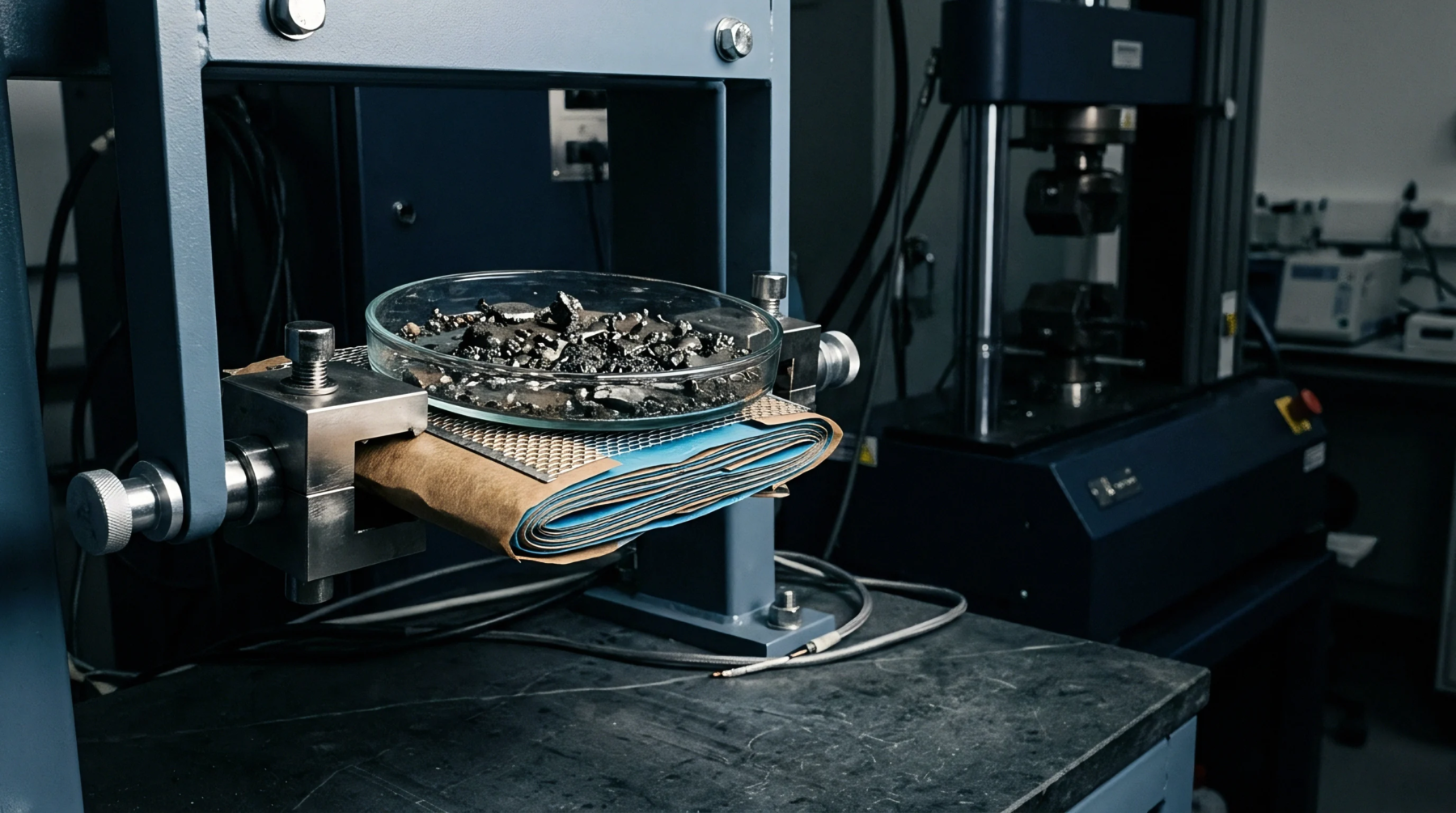
Increasing gas to metal mass ratio decreases median particle size in tool steel powder, shifting mass yield into fine powder fractions at higher argon expense.
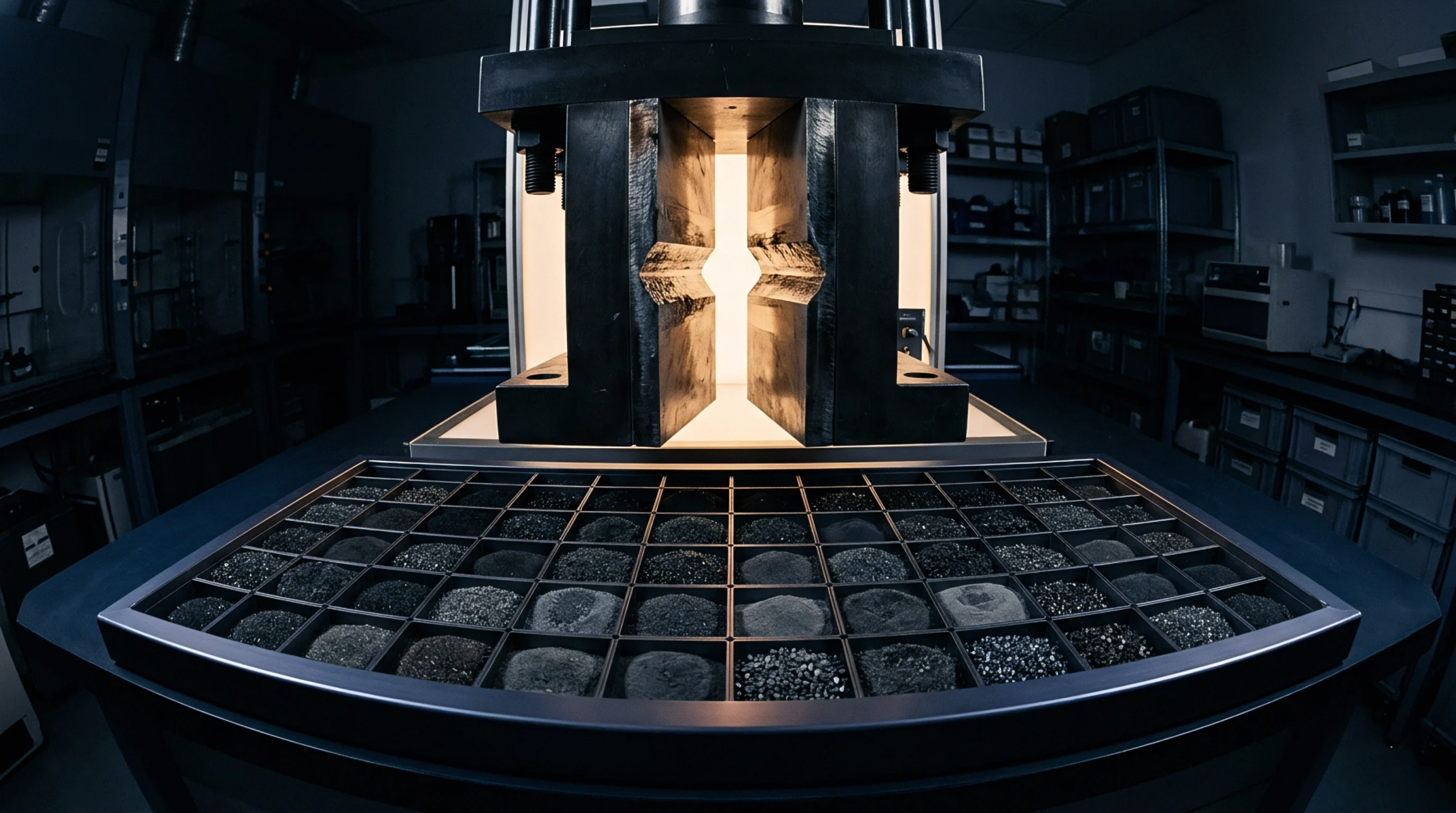
Melt superheat, gas-to-metal ratio, and aspiration pressure dictate particle size distribution, cooling rate, and oxide pickup in tool steel powder production.
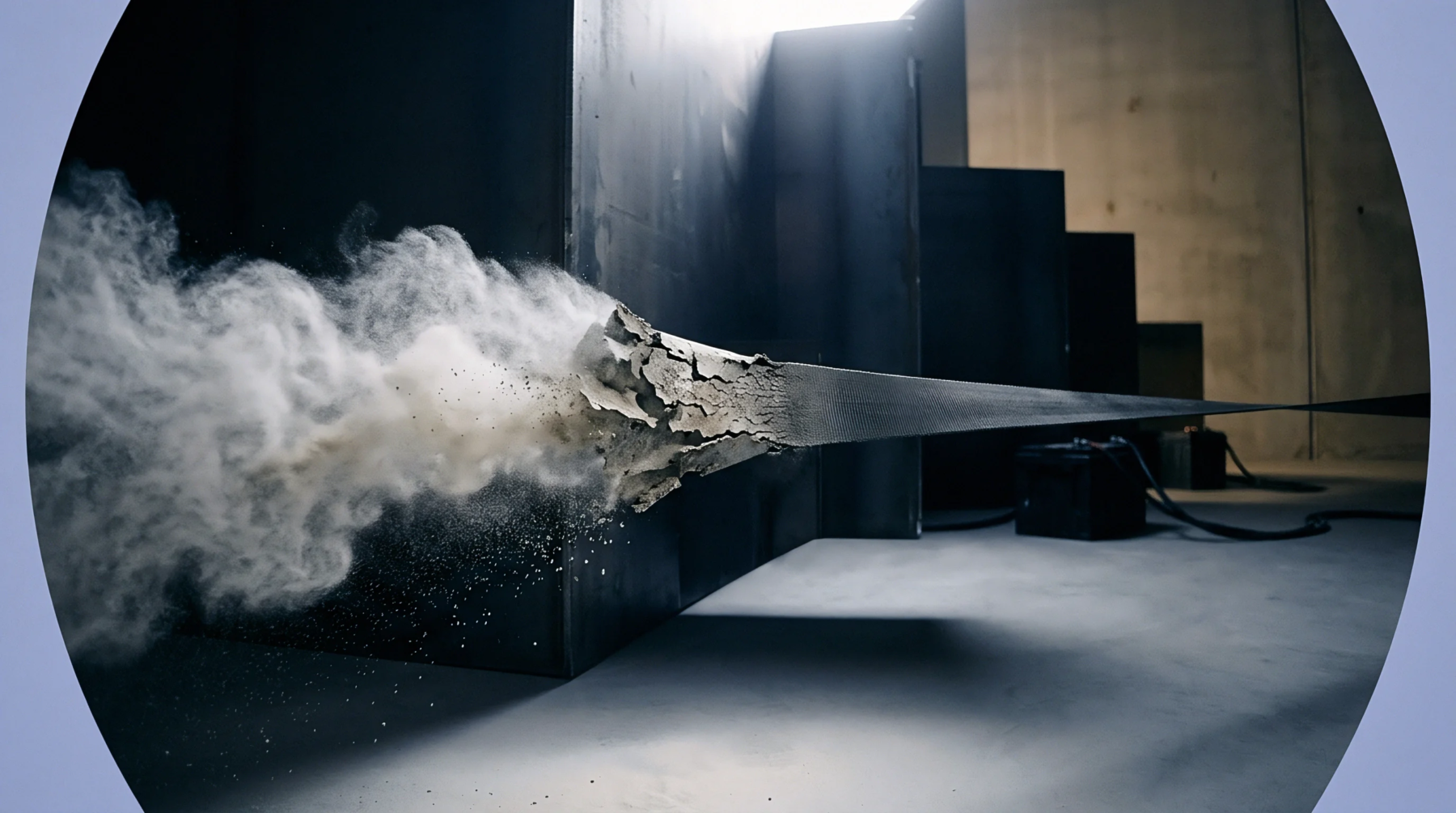
Modeling solute trapping kinetics during droplet cooling establishes exact gas atomization parameters to freeze supersaturated alloy phases for high-life battery anodes.
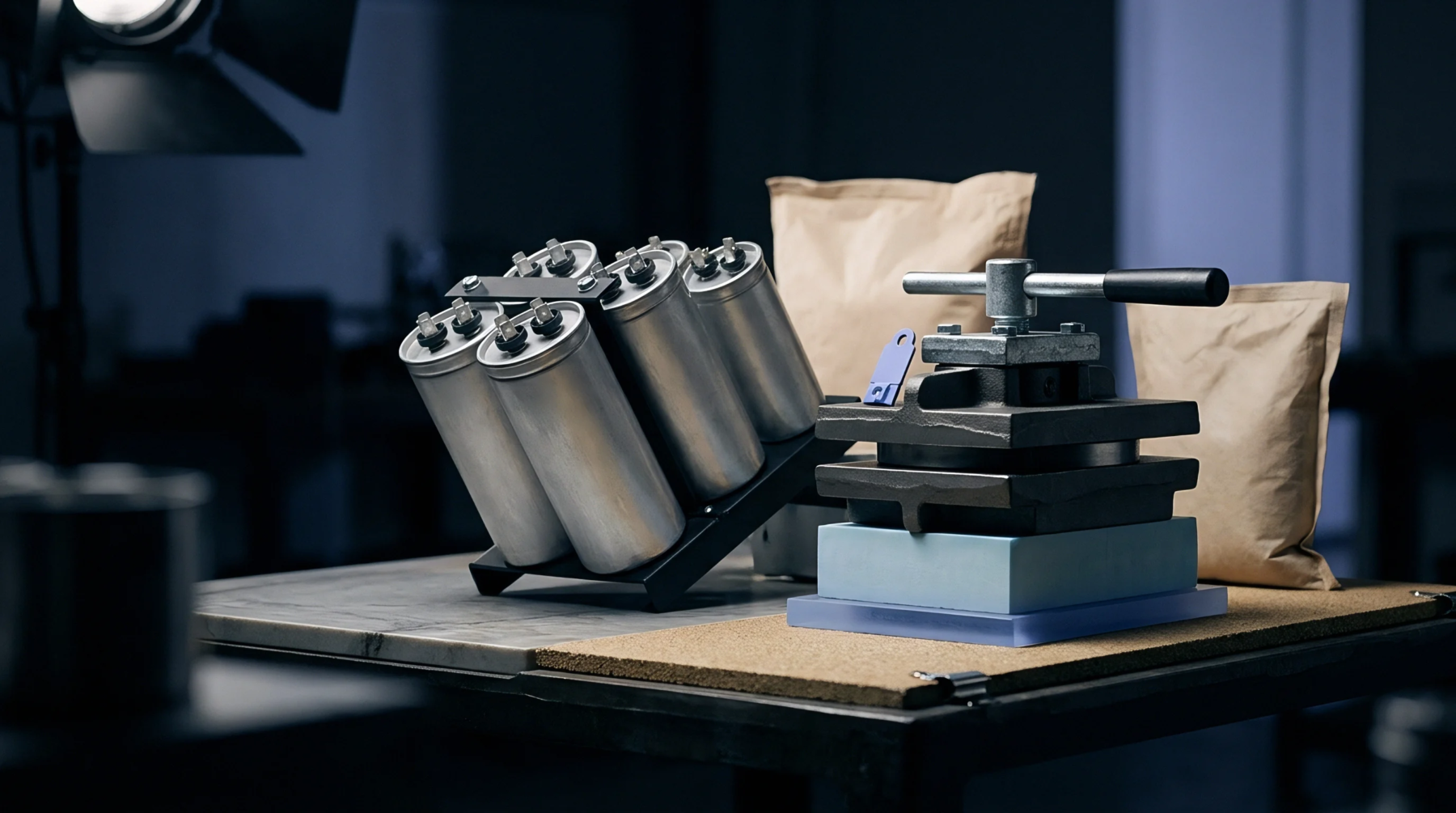
Optimize gas-to-metal ratios between 2.8 and 4.2 under controlled aspiration pressure to maximize tool steel powder yields and suppress internal gas entrapped porosity.

Gas atomization of high alloy tool steel requires matching gas-to-melt ratios and superheat to restrict internal argon void volume under 0.05 percent.

Gas atomization of tool steel powders requires maintaining melt superheat at 150°C above liquidus and gas-to-metal ratio between 1.8 and 2.5 to optimize yield.
Optimizing tundish superheat, gas-to-metal ratio, and cooling rates ensures uniform fine carbide distribution and eliminates thermal segregation in PM tool steel powder.
Expertise is a utility, not a secret. sentiention™ publishes its working knowledge as open reference: intelligence layer covering the materials it sources, the markets it enters, and the reference that serves both.