Meaning
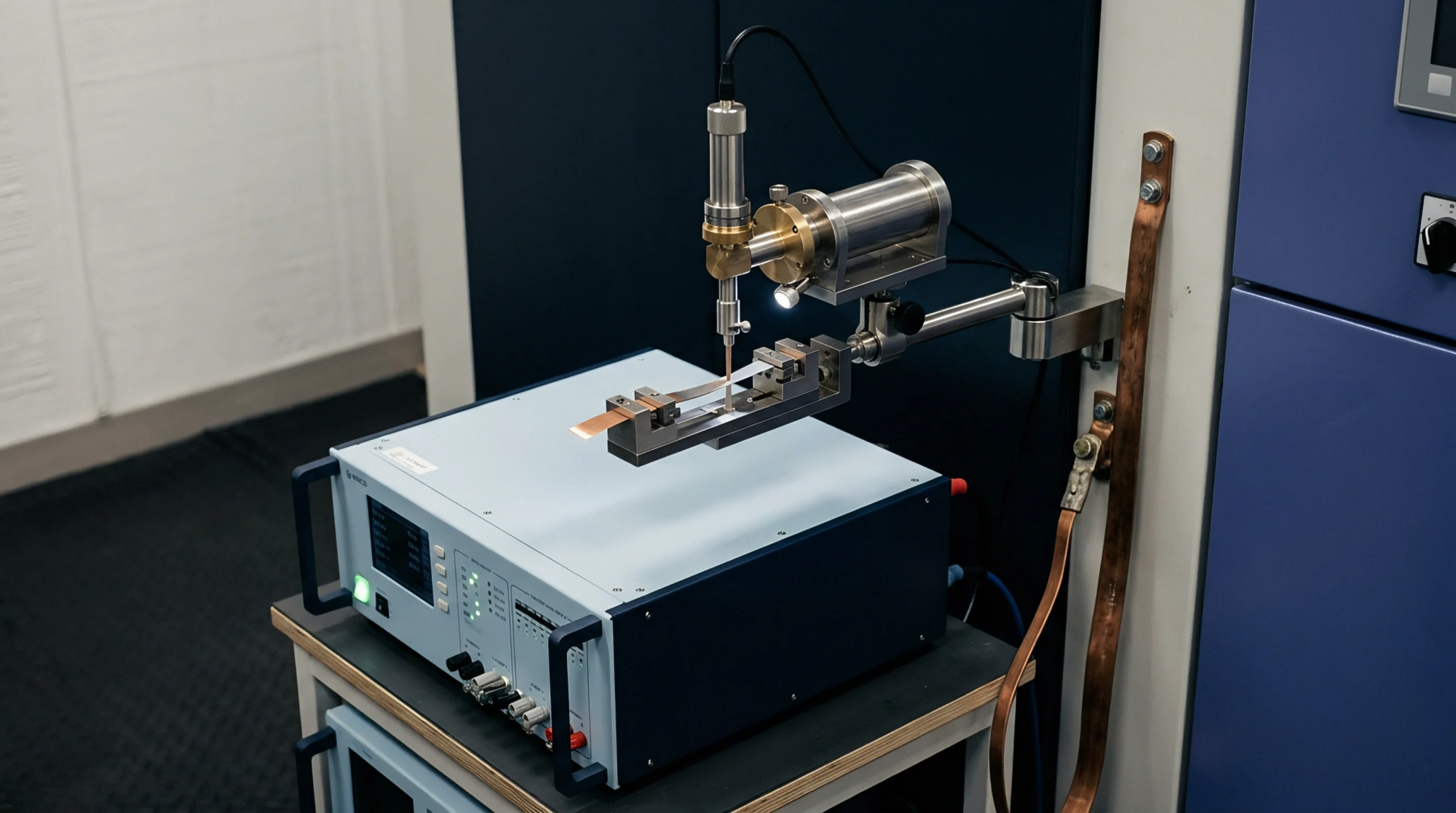
Electro-mechanical assemblies designed for high-volume cell production hold and connect batteries to diagnostic electronics during formation and aging protocols. An automated test fixture establishes repeatable electrical contact with cell terminals while enabling rapid mechanical insertion and extraction of cells. It isolates each channel to prevent electrical crosstalk and controls the local temperature during long-duration cycling tests.
Mechanical Integration
Pneumatic or motor-driven actuators press contacts against cell terminals to ensure low contact resistance. This mechanical integration maintains a consistent contact force across varying cell heights, compensating for mechanical tolerance build-up in cell batches. Misalignment can damage cell terminals or cause measurement errors.
Signal Integrity
High-frequency voltage and current sensing circuits require shielding to prevent noise from switching power electronics. Standard Kelvin sensing layouts keep current-carrying leads separate from voltage measurement leads up to the contact tip. The shielding reduces stray inductance and minimizes electromagnetic interference.
Throughput Capacity
Production testing speed depends on how quickly the automation line loads and unloads the test platform. Pneumatic clamping mechanisms actuate in under one second to maximize cell turnover. This rapid cycle reduces the capital expenditure needed for secondary testing channels.
Automated handlers often work in parallel to balance the flow of the formation room with the slower downstream sorting process, preventing bottlenecks during peak production periods.