Meaning
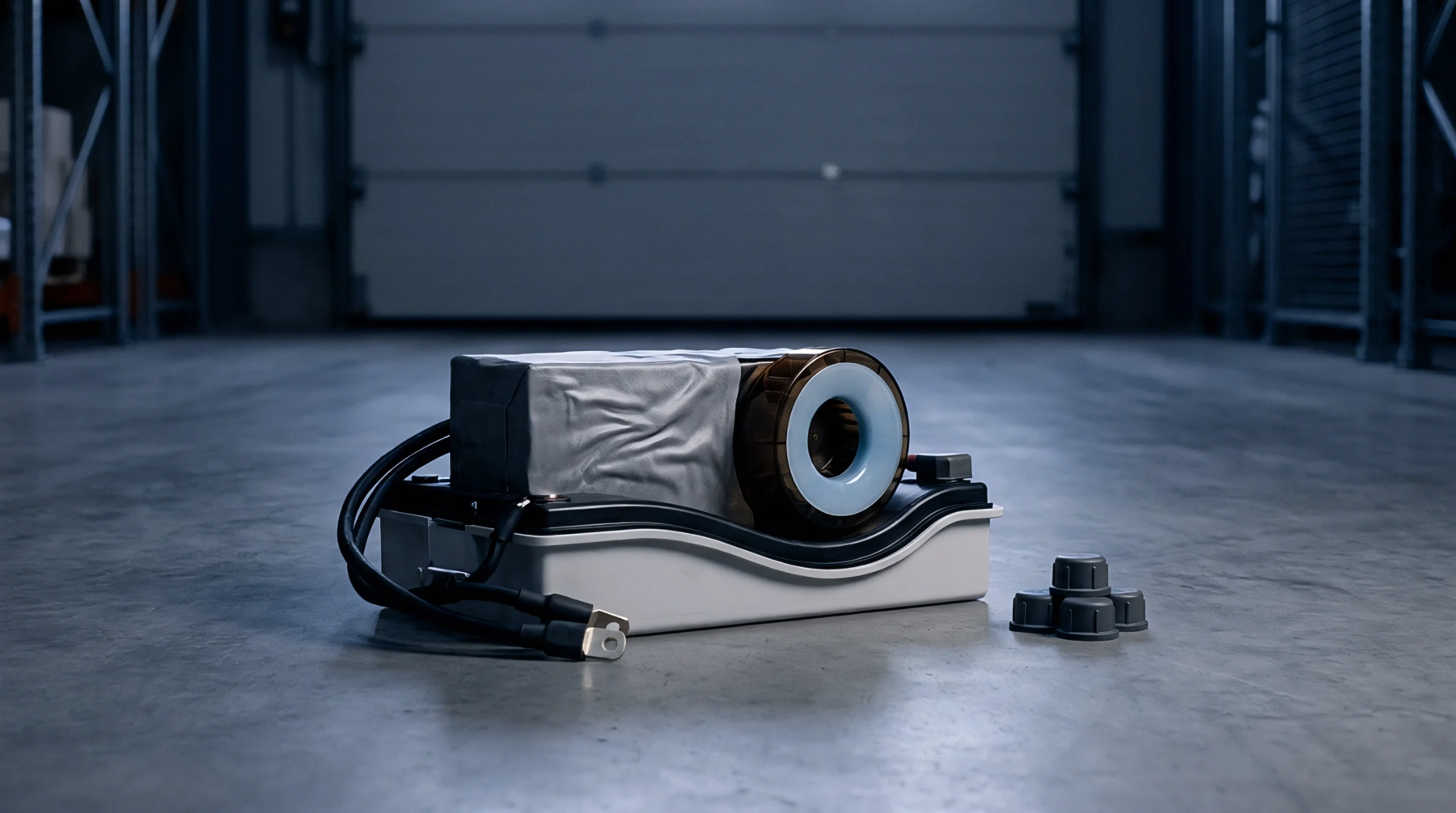
A battery pack assembly is a manufactured unit containing multiple individual electrochemical cells or smaller modules connected electrically in series or parallel, alongside thermal management hardware, structural enclosures, and a battery management system. Commercial procurement teams evaluate a battery pack assembly based on its total delivered energy capacity, nominal voltage output, gravimetric density, and volumetric constraints. The system operates within defined voltage and thermal thresholds, and physical performance drops outside specified operating ranges due to internal resistance escalation and chemical degradation.
Thermal Regulation
Managing internal heat generation dictates the operational lifespan and safety profile of a battery pack assembly during high-rate discharge cycles. Coolant channels or phase change materials absorb thermal energy directly from the cell casings to maintain uniform temperature distribution across the entire matrix. Excessive thermal gradients induce localized degradation and accelerate capacity fade because individual cells experience disparate aging rates under uneven cooling.
Engineers specify maximum allowable temperature differentials between adjacent modules to prevent thermal runaway propagation from a single compromised cell.
Voltage Integration
Grouping multiple electrochemical units into a single structural enclosure requires precise balancing circuits to equalize state of charge across series strings. Voltage discrepancies accumulate over repeated charge and discharge cycles, which reduces usable capacity if peripheral monitoring hardware fails to bleed off excess energy from fully charged cells. Commercial buyers review shunt resistor specifications and balancing current ratings to ensure the battery pack assembly maintains rated output without triggering low voltage fault shutdowns prematurely.
Safety Certification
Regulatory frameworks mandate rigorous vibration, drop, and short circuit testing before a battery pack assembly receives commercial clearance for deployment in electric vehicles or stationary storage installations. Testing laboratories subject production units to mechanical shock profiles and overcharge scenarios to verify that internal fusing and isolation barriers prevent catastrophic failure. Compliance documentation details specific test parameters and applicable standards, providing purchasers with verifiable evidence of structural integrity under extreme operational stress.