Resolving Unamortized Tooling Capital Disputes during Unplanned Battery Vehicle Program Volume Shortfalls
Unrecovered battery tooling capital resolves through strict financial auditing of primary vendor invoices, physical die wear verification, and structured cross-program re-amortization settlements.
Stamp
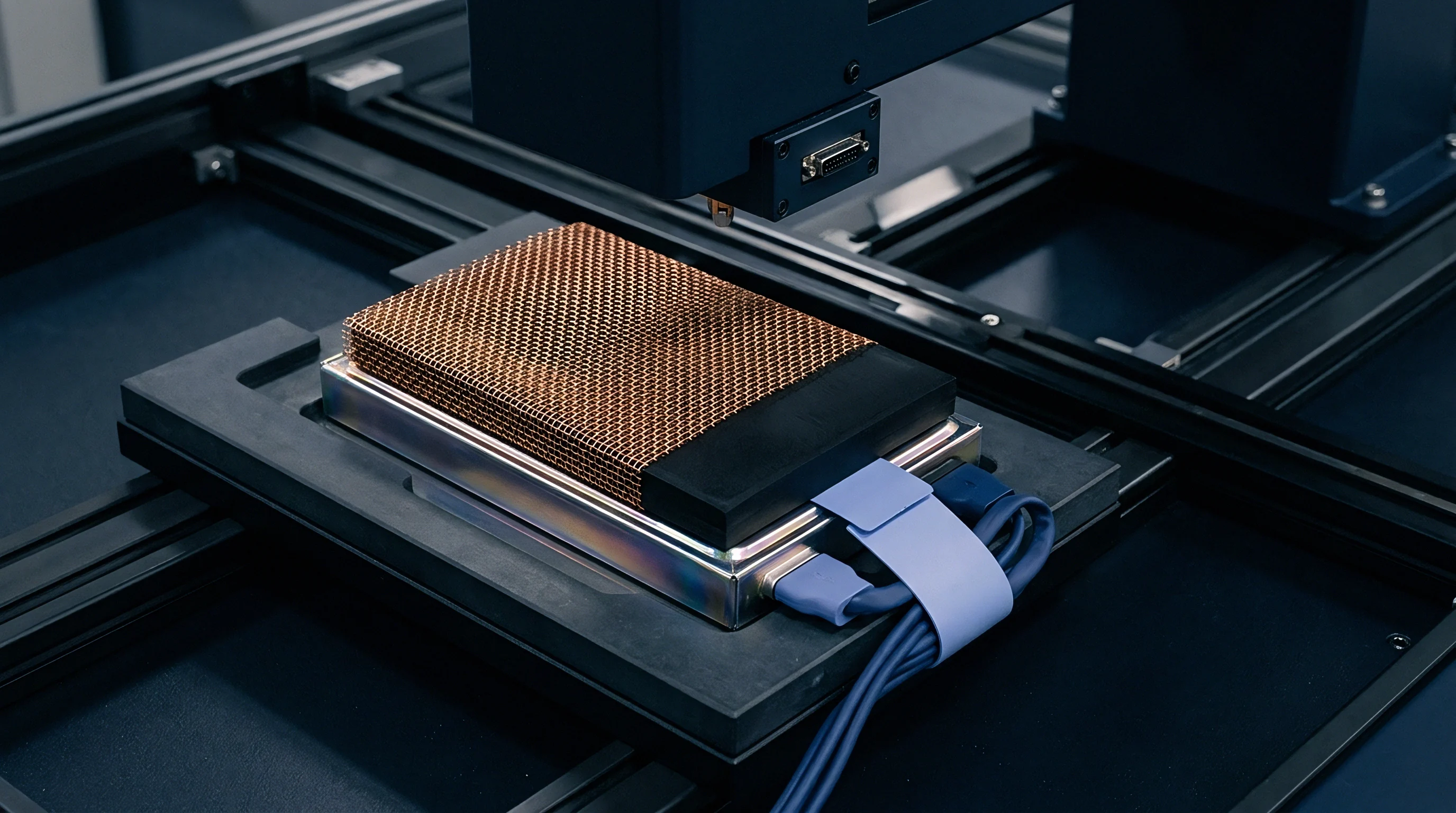
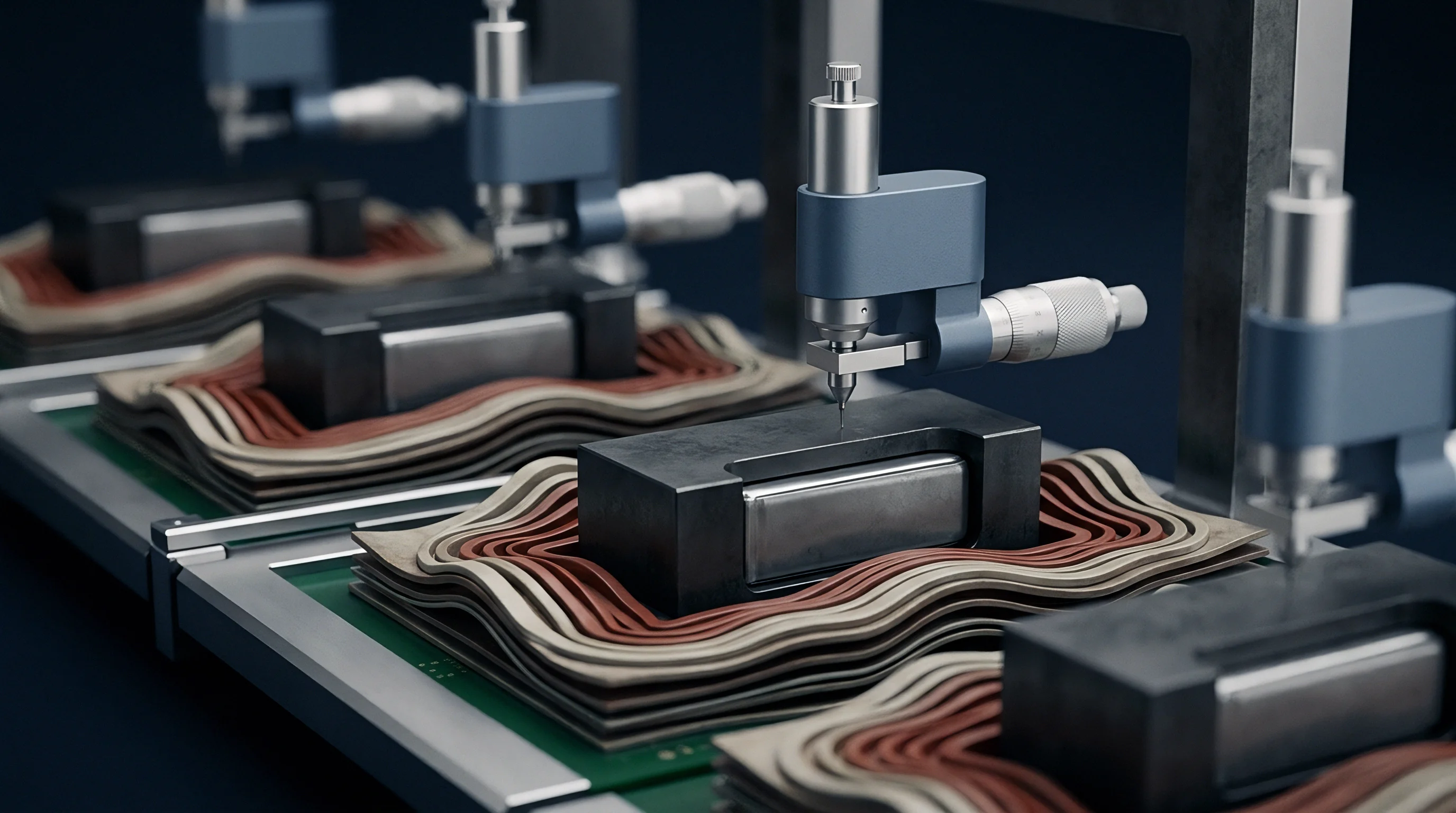
Tooling capital lingers on balance sheets long after vehicle assembly schedules drift away from original forecasts. Once an electric vehicle program falls forty to seventy percent short of its nominal capacity targets, discussions between supplier and automaker narrow quickly to non-recurring engineering costs and unamortized equipment. High-volume battery manufacturing relies on non-fungible machinery: progressive forming dies for aluminum enclosures, multi-cavity injection molds for module carrier trays, ultrasonic horn assemblies, and automated dispensing heads for thermal interface materials.
Tier-1 suppliers routinely fund these high-capex assets upfront on the assumption that piece-price amortization across an agreed volume will eventually make them whole.
When order call-offs miss contract baselines, millions in fixed tooling outlays sit stranded while the line gathers dust. Whether that shortfall lands as an enforceable receivable against the automaker or as an unrecoverable capital write-down for the supplier depends entirely on the initial contract. Sorting through physical asset classifications, title covenants, and depreciation schedules is essential before either party sits down to negotiate a workout.

Dedicated Capital Allocation across Battery Component Manufacturing
Tooling built for pack assembly and cell containment ~ multi-cavity molds for high-temperature glass-filled polyamides, progressive dies for structural aluminum rails, and bending fixtures for copper busbars ~ has virtually no secondary market value. Outside the specific module architecture it was machined to produce, the steel offers little more than scrap value.
Tight geometric tolerances, dedicated cooling channels, and cell-retention details prevent production machinery built for one pack architecture from being easily converted to another. If a program drops from a projected one hundred thousand units a year to twenty thousand, the supplier is left housing custom dies that generate only a fraction of their intended cash flow. In the meantime, floor-space allocations, climate-controlled storage expenses, and local property taxes continue to accumulate on equipment that sits idle.
Tooling assets dedicated to a single battery format lose commercial liquidity the moment line utilization falls below plant break-even thresholds.
Distinguishing Per-Unit Amortization from Direct Capital Charges
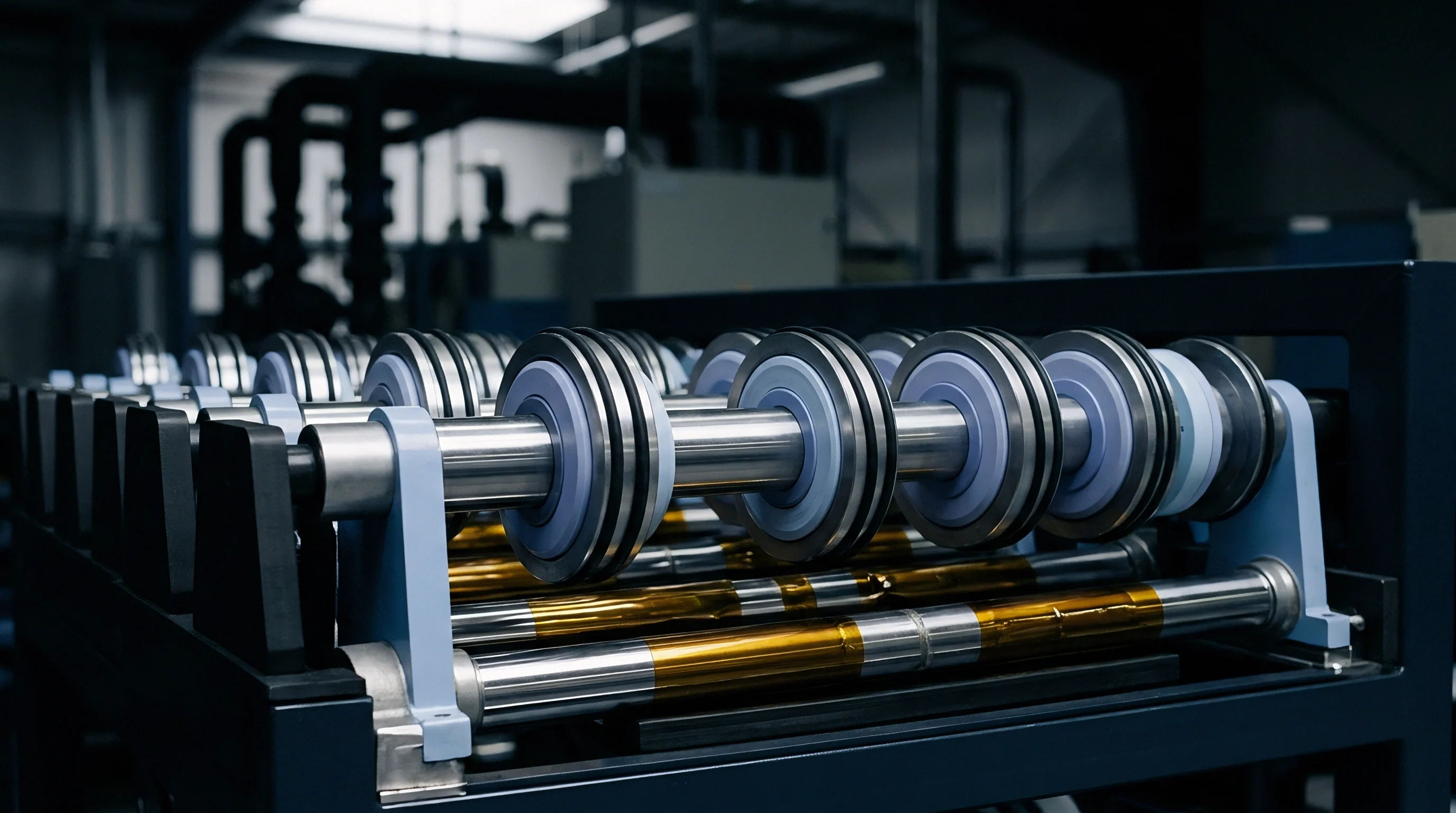
Sourcing agreements generally fund capital assets through direct non-recurring engineering charges, piece-price amortization, or a hybrid of both. Under direct NRE terms, the buyer funds the tooling upfront prior to start of production, taking clear legal title to every die, mold, and fixture regardless of final production numbers.
Unit-amortized agreements spread capital recovery across individual component prices over a set volume run. The supplier finances the build upfront, retaining title and banking on cumulative shipments to retire the investment. If volumes falter, the supplier faces a depreciating asset with unrecovered debt, pointing to implied volume baselines, while the automaker counters that production forecasts were non-binding estimates rather than take-or-pay guarantees.
Component purchase pricing reflects explicit assumptions of full capacity utilization and rapid capital recovery, so an idle line immediately generates unabsorbed carrying costs.
- Corrosion Formation Atmospheric humidity inside unheated storage areas causes rapid flash rust on un-passivated tool steel surfaces, ruining precision molding geometries within weeks of line deactivation.
- Seal Degradation Automated dispensing heads for two-part polyurethane structural adhesives cure internally when chemical circulation halts, requiring full fluidic manifold rebuilds prior to restart.
- Pneumatic Drift Precision pressure regulators and line clamping actuators on module assembly jigs lose calibration and internal seal elasticity during prolonged static holds.
- Welding Anvil Oxidation Sonotrode tips and anvil surfaces dedicated to tab-to-busbar ultrasonic bonding undergo micro-fretting corrosion, increasing electrical contact resistance across subsequent trial welds.
Takt
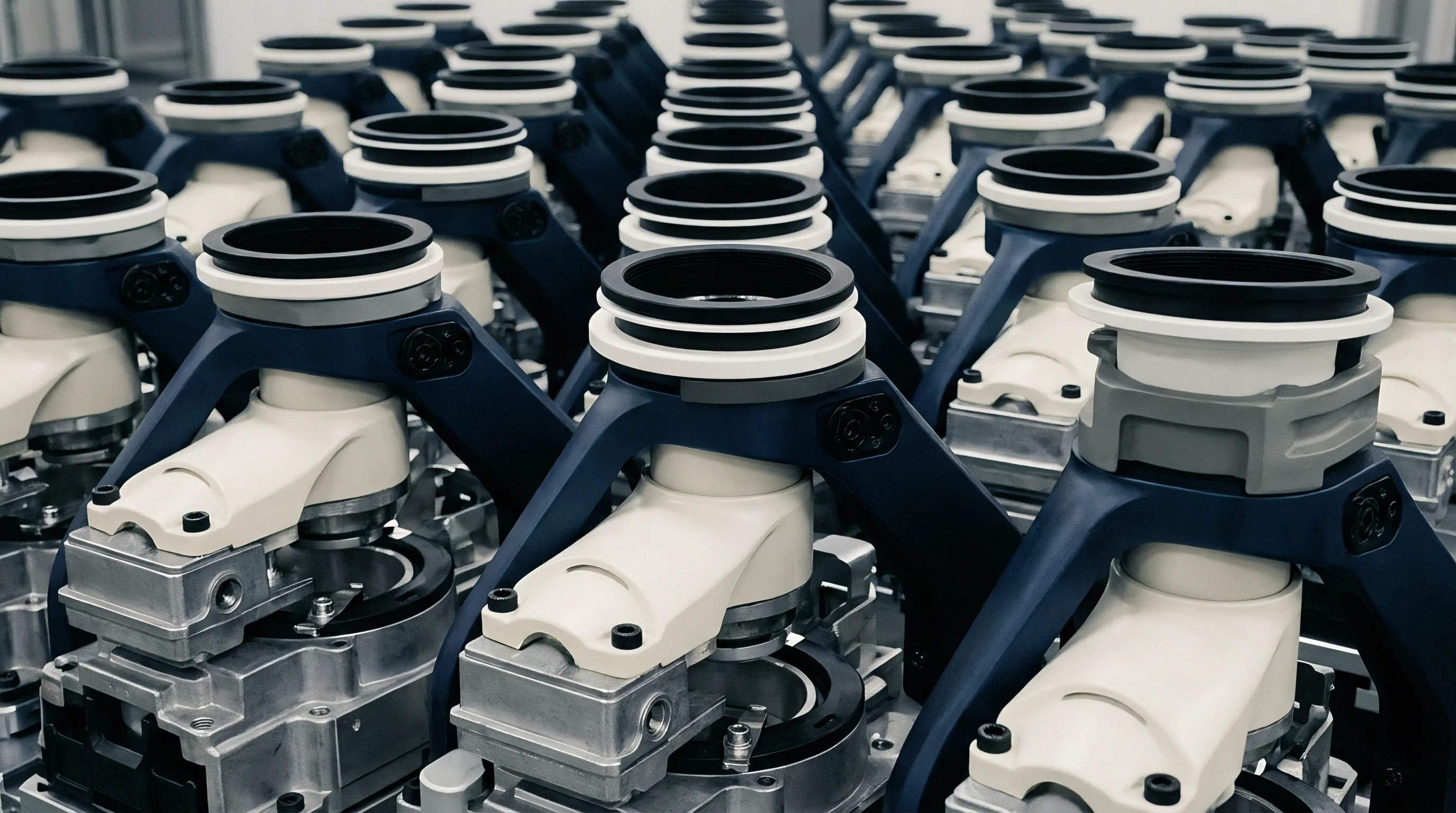
Fixed overhead absorption collapses when automated lines are slowed to match weak retail demand. A module line engineered for a sixty-second takt time cannot run at a three-minute cycle without generating severe per-unit labor variances and idle facility penalties. Automated cell handling, inline laser cleaning, and automated optical inspection cells incur substantial fixed operating expenses whether they run at full speed or a crawl.
Choosing between periodic high-rate manufacturing campaigns and continuous low-speed operations drastically alters the amortization curve. Intermittent operation introduces severe thermal cycling to curing ovens and dispensing units, drives up restart scrap rates, and drags the amortization schedule far beyond the contract’s intended calendar life.
Capacity Reservation and Fixed Overhead Absorption Breakdown
Operating lines below sixty percent utilization triggers sharp overhead under-absorption. Baseline plant expenses ~ building leases, cleanroom HVAC filtration, constant electrical loads, and floor supervision ~ keep running regardless of how few packs ship.
As component output drops, suppliers often try to spread fixed facility overhead across fewer parts, pushing unit prices up precisely when the automaker is hunting for cost concessions to offset flagging retail sales. Master purchase agreements routinely prohibit unilateral price adjustments, even when actual volumes fall well short of the RFQ baselines, creating immediate commercial conflict.
| Target Volume Run (Packs/Yr) | Actual Line Utilization (%) | Fixed Overhead Cost per Pack ($) | Amortization Gap per Pack ($) | Unrecovered Capital Horizon (Months) |
|---|---|---|---|---|
| 50,000 | 100% | 120.00 | 0.00 | 36 |
| 35,000 | 70% | 171.42 | 42.85 | 51 |
| 20,000 | 40% | 300.00 | 150.00 | 90 |
| 10,000 | 20% | 600.00 | 400.00 | 180 |
| Data calculated based on a $10,000,000 tooling investment amortized across 150,000 total baseline program units with a fixed facility floor overhead allocation of $6,000,000 annually. | ||||
Line Speed Reductions against Partial Shutdown Thresholds
Navigating a shortfall forces a choice between running continuously at reduced speed or batching output into periodic production blocks. Running continuously maintains cleanroom balance and keeps trained technicians familiar with high-voltage pack assembly, but utility draws and shift labor remain largely fixed, saddling every completed pack with painful overhead penalties.
Campaign or block manufacturing groups production into intensive two-week windows followed by six weeks of full line suspension. While this optimizes staffing and utility bills, it introduces fresh quality liabilities: mechanical seating drift on module trays, clogged adhesive nozzles, and moisture absorption in unsealed raw material lots during extended downtime.
Running a cleanroom pack line below forty percent capacity multiplies per-unit utility overhead while extending unamortized capital risk beyond contract expiration windows.
Because pricing models assume baseline production volumes, running pack assembly lines below plant break-even levels accelerates supplier cash burn without making a meaningful dent in outstanding capital balances.

Formula
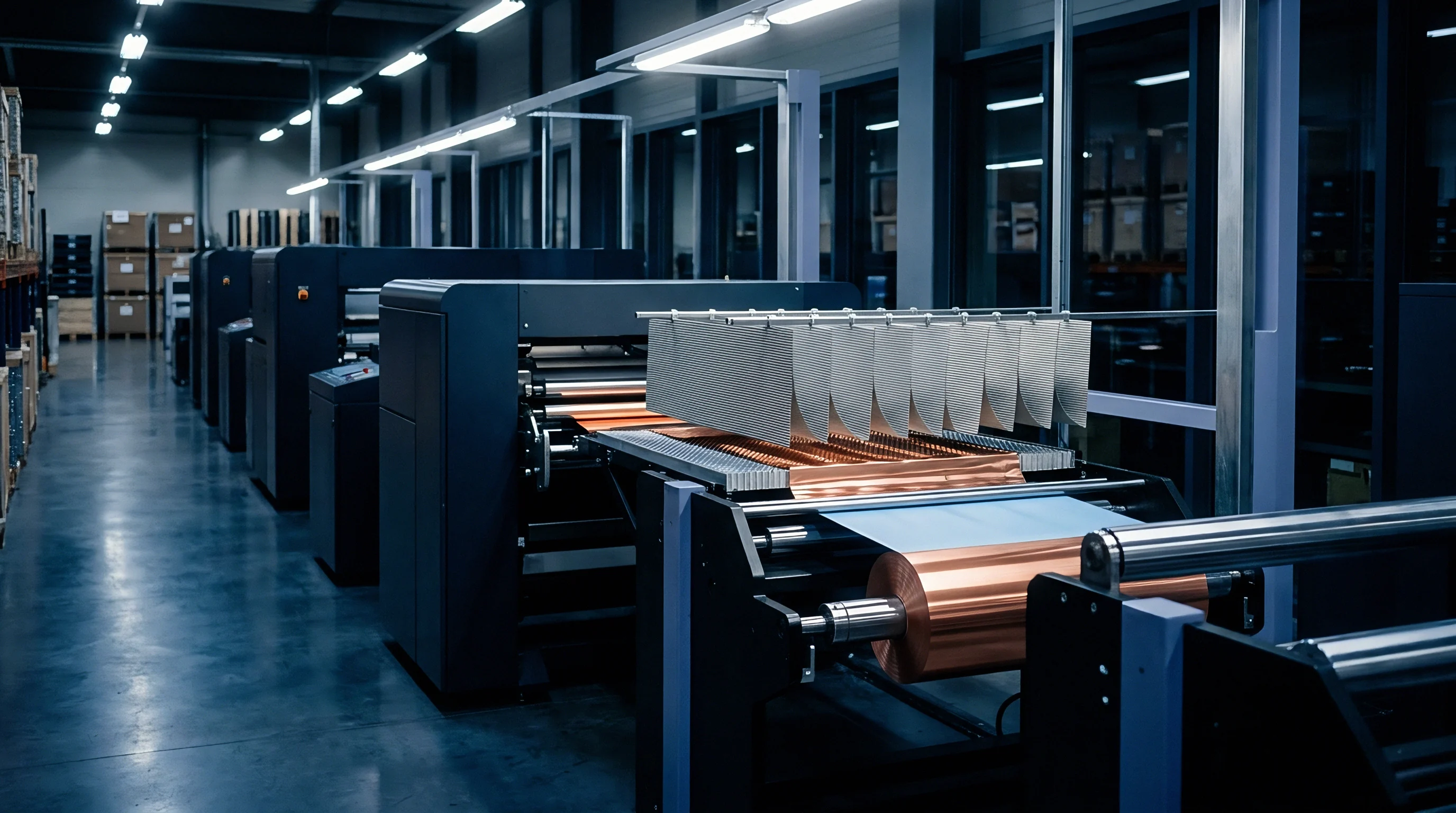
Settling shortfall claims demands accounting models that strictly separate unamortized tooling capital from day-to-day operating inefficiencies. Audit conflicts often boil down to linear straight-line depreciation versus units-of-production recovery. Straight-line accounting writes off the equipment across a set schedule ~ such as forty-eight months ~ regardless of pack volume.
Units-of-production ties depreciation directly to part throughput, treating the machinery as unconsumed until parts actually cycle through the dies or molds.
During severe volume contractions, straight-line accounting shows steep unrecovered book balances simply because the calendar has advanced, while units-of-production shows that the physical tooling retains most of its engineered life. Reaching an equitable settlement means building a calculation both parties accept, incorporating validated NRE expenses, verified part volumes, actual scrap rates, carrying costs, and realistic asset salvage values.
Mathematical Models for Residual Capital Recovery
Arriving at the unamortized balance requires netting cumulative unit amortization payments against total validated tooling outlays. The model must balance variable adjustments, salvage expectations, and capital carrying expenses over the life of the program, centering on a primary residual formula:
R = C_total – (N_delivered A_unit) – V_salvage + I_carrying
In this expression, R represents the residual unamortized capital balance owed; C_total is the total verified initial capital expenditure incurred by the vendor for specialized dies, molds, and line fixtures; N_delivered represents the verified count of conforming battery pack assemblies delivered to and accepted by the buyer; A_unit is the contractually agreed per-unit tooling amortization rate embedded in the part price; V_salvage represents the assessed remaining market or scrap value of the physical tooling assets; and I_carrying accounts for contractually authorized interest charges carried by the vendor to finance initial capital tooling outlays.
Depreciation continues to accrue even while assembly cells sit dark, which is why standard automotive supply contracts include volume true-up mechanisms to reconcile capital accounts whenever deliveries drift outside forecasted bands.
Worked Calculation of Unamortized Exposure under Shortfall
To see how this works in practice, take an enclosure stamping line dedicated to a specific battery pack program. Assume a validated initial tooling investment (C_total) of $12,000,000 covering multi-stage progressive stamping dies and automated welding fixtures. The supply agreement targets 200,000 battery packs across a 48-month lifecycle, establishing an embedded amortization rate (A_unit) of $60.00 per enclosure.
At month 24 ~ midway through the contract ~ the vehicle encounters market headwinds. Accepted battery pack deliveries (N_delivered) stand at just 40,000 units against the 100,000 planned, representing a 60% deficit against original production targets. Facing a substantial unrecovered balance, the supplier submits a formal true-up demand.
The exposure evaluates differently across three common settlement frameworks: contractual units-of-production, chronological straight-line, and a negotiated physical workout. Applying an agreed 6% annual carrying interest rate yields $720,000 in accrued interest (I_carrying) over the 24-month span. A technical audit confirms the stamping dies carry a scrap and steel salvage value (V_salvage) of $350,000 if completely decommissioned.
- Units-of-Production True-Up Capital collected equals 40,000 units multiplied by $60.00 per unit, yielding $2,400,000. Applying the formula yields residual exposure: $12,000,000 minus $2,400,000 minus $350,000 plus $720,000, resulting in an unamortized capital balance of $9,970,000.
- Chronological Straight-Line True-Up Based on a 48-month schedule, 50% of asset value ($6,000,000) has depreciated chronologically. Collected capital via part sales remains $2,400,000, creating an unabsorbed depreciation deficit of $3,600,000 plus interest, yielding a claim balance of $4,320,000.
- Negotiated Hybrid Settlement Baseline Factoring in die repurposing potential valued at $1,500,000 for a secondary vehicle derivative drops net capital exposure to $8,470,000, establishing the primary negotiation range between buyer and supplier audit teams.
Where contracts contain explicit volume gap provisions, section 14.2 of the standard automotive supply master agreement mandates that any volume shortfall exceeding twenty-five percent over two consecutive quarters triggers an immediate balance sheet recalculation and lump-sum capital payment within sixty days.

Paperwork
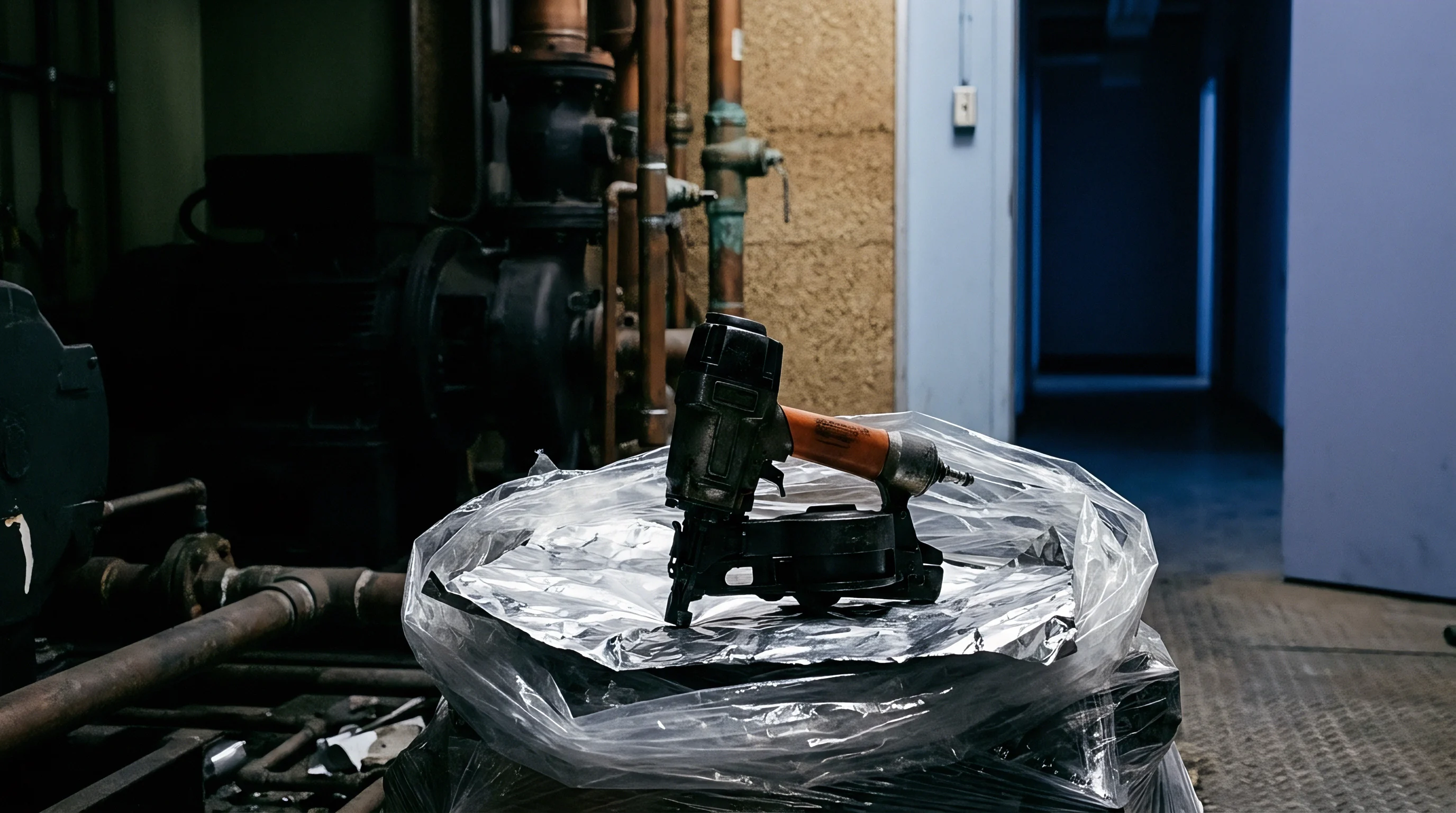
Commercial contracts govern how stranded capital is handled when production falls flat. Master purchase agreements, statements of work, NRE quotes, and purchase order boilerplates frequently conflict over volume commitments and tooling recovery. Buyer procurement groups routinely insert boilerplate language designating projected production as non-binding estimates, designed to shield the company from take-or-pay exposure.
Suppliers counter by conditioning piece prices in tooling quotations on hitting specific quarterly production thresholds, reserving the right to bill outstanding tooling balances directly if call-offs fall short. Unwinding these competing terms requires identifying which specific mechanisms legally dictate risk allocation when the market slows.

Can Unplanned Volume Drops Trigger Instant Capital Acceleration?
Acceleration clauses allow component suppliers to call the entire unamortized tooling balance as an immediate lump sum when program volumes drop below specified bands. Common triggers include two consecutive quarters of output falling under fifty percent of nominal schedules, or formal notice that a vehicle line has been discontinued.
Once accelerated, what had been an operational per-unit fee converts into an immediate balance-sheet liability for the vehicle manufacturer. Disputes quickly center on cost substantiation, with buyers challenging historical NRE claims as inflated or asserting that the supplier failed to mitigate damages by reallocating common production assets to other customers.
Standard volume variance clauses accelerate unpaid tooling capital into immediate balance sheet liabilities when order call-offs drop below fifty percent of RFQ baseline estimates.

Contractual Provisions for Tooling Amortization and Shortfall True-Ups
Substantiating tooling claims requires an audit of procurement ledgers, original equipment quotes, asset registers, and underlying purchase invoices. OEM audit teams must verify that claimed expenses represent genuine out-of-pocket investments dedicated to that specific battery program, rather than commingled plant infrastructure or legacy tooling.
- Issue formal notice of audit intent to the component vendor citing master agreement inspection covenants within ten business days of volume shortfall notification.
- Obtain primary vendor procurement dossiers including third-party die shop invoices, raw material steel certs, CNC machining time logs, and heat treatment certifications for all disputed tools.
- Cross-reference serial numbers stamped on physical factory floor dies against asset tags listed in vendor fixed-asset accounting ledgers and original capital appropriation requests.
- Inspect physical tool conditions on the factory floor to verify that tool wear matches reported historical stroke counts and that no unauthorized third-party parts were manufactured on the dies.
- Calculate actual net historical capital recovery by reconciling vendor accounts receivable records against accepted component receiving receipts and paid buyer remittance advice sheets.
- Subtract verified scrap values, alternative usage values, and previously collected unit amortization payments from total audited tooling expenses to establish the final net true-up settlement baseline.
| Contract Mechanism | Buyer Liability Exposure | Vendor Capital Protection | Dispute Escalation Complexity |
|---|---|---|---|
| Tiered Unit Amortization Rate | Low initial cash impact; per-unit part price increases automatically as quarterly volume decreases. | Medium protection; recovers capital slowly over longer timelines if program continues running. | Low; formulaic unit price adjustments execute automatically within existing purchase orders. |
| Annual Lump-Sum Volume True-Up | High periodic cash call; mandates annual payment of unrecovered capital gaps at calendar year end. | High protection; ensures full capital recovery on fixed yearly schedules regardless of volume. | Medium; requires annual financial reconciliation audits and formal balance settlement negotiations. |
| Non-Binding Estimate with Tool Title Retention | Zero direct legal liability for tooling gaps; risks vendor bankruptcy or supply halting. | Low protection; vendor absorbs capital losses unless explicit purchase orders guarantee volume. | High; results in litigation, legal standoffs, and immediate threat of vendor lien on tooling assets. |
| Guaranteed Take-or-Pay Minimum Covenant | Maximum direct liability; mandates payment for baseline part counts whether buyer takes delivery or not. | Maximum protection; transfers market demand risk entirely to vehicle program owner. | Medium; straightforward legal enforcement but frequently contested under force majeure claims. |
Overlooking third-party toolmaker invoices during the audit process routinely results in paying full list price for equipment the Tier-1 acquired at volume discounts.
Bench
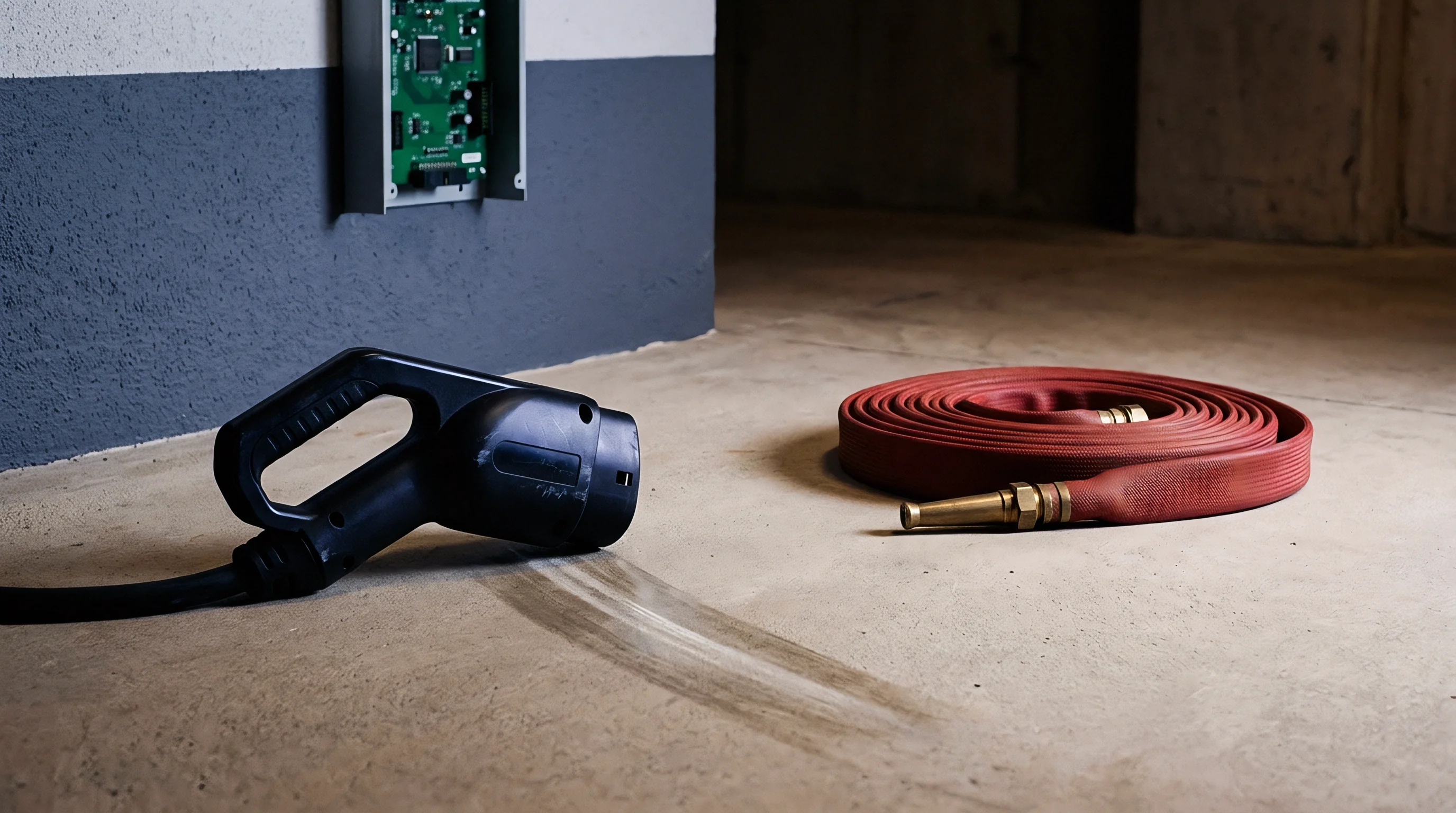
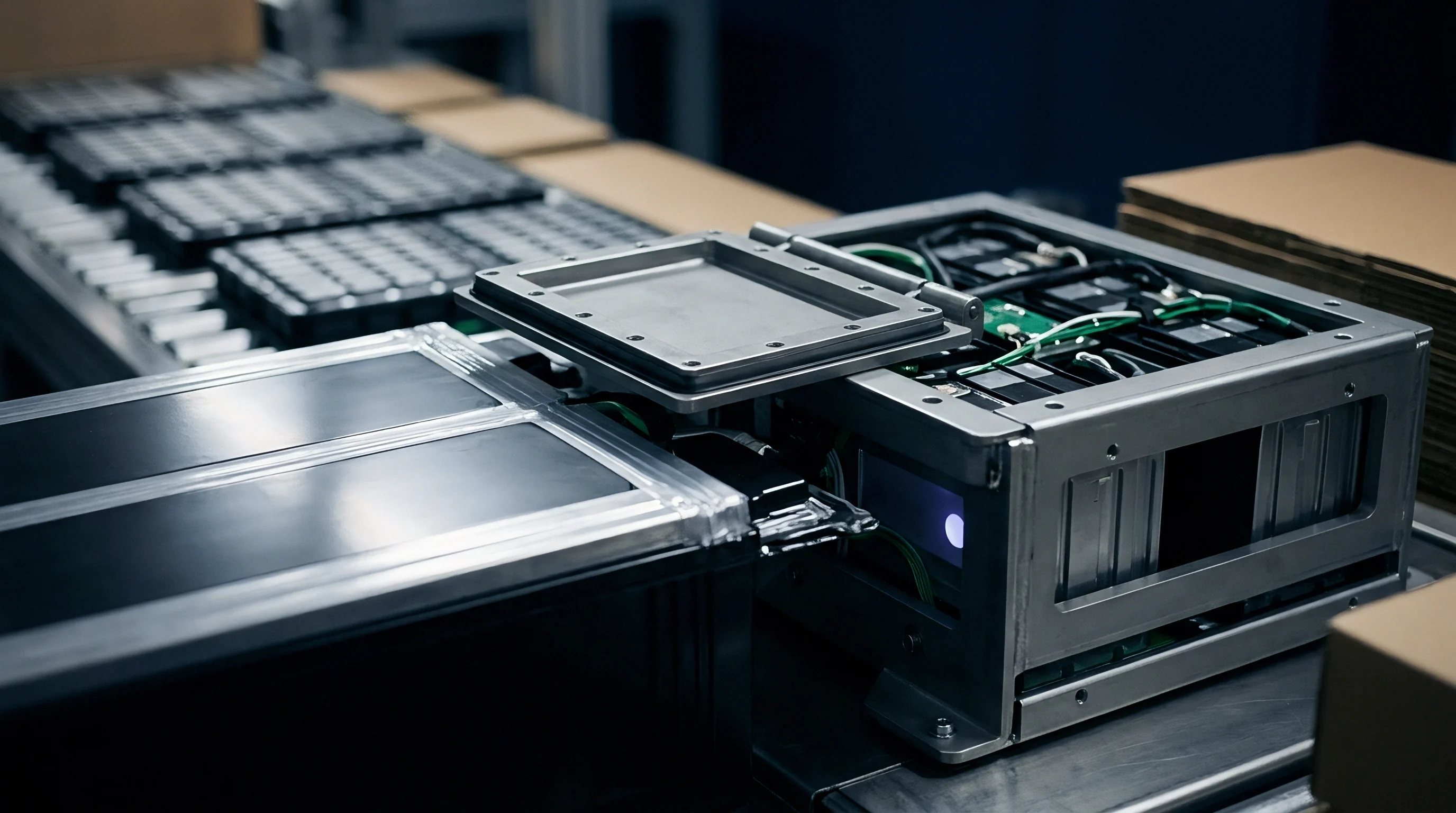
Before signing a capital settlement, physical inspection on the supplier’s floor is essential to validate technical assertions. Engineering teams must inspect the dies, molds, automated assembly cells, and test stations to verify physical condition, wear life, and repurposing options. Equipment that has been preserved, lubricated, and stored under controlled conditions retains tangible residual value for derivative packs or service parts.
Tooling marked by galling on die surfaces, thermal fatigue cracking, or clogged cooling lines carries minimal real-world value, directly contradicting balance-sheet assertions of high residual worth. A hands-on technical audit grounds theoretical accounting ledgers in physical reality.
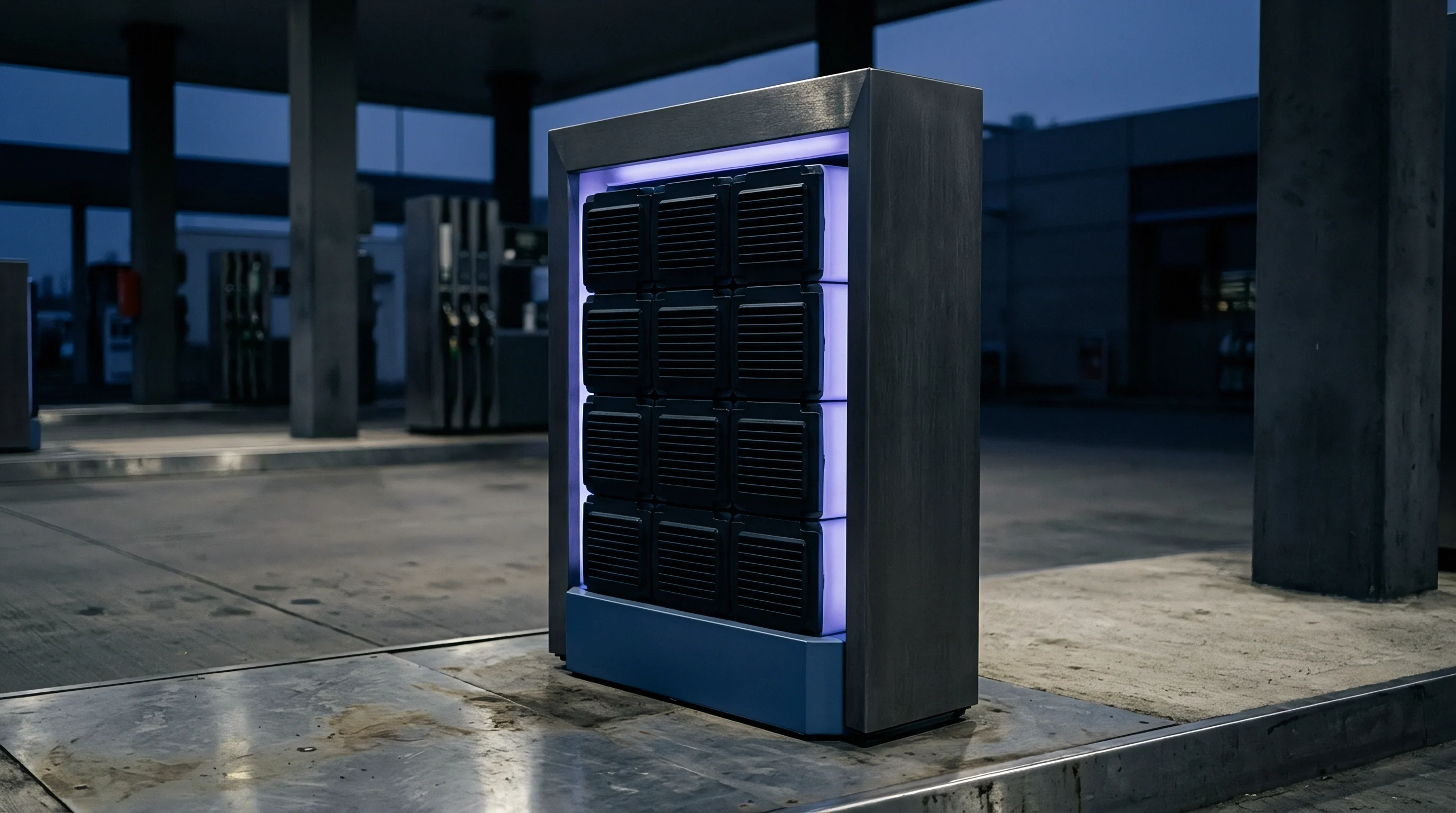
On-Site Technical Audits of Idle Battery Production Tooling
Inspecting idle production lines entails a close examination of high-tonnage stamping surfaces, mold cavities, and ultrasonic sonotrodes. Engineers compare measured wear profiles against original tool drawings to estimate remaining stroke or cycle life.
Inspectors review maintenance histories, shot counters mounted on mold bases, and non-destructive test reports screening for internal fatigue in heavy forging blocks. If an electronic shot counter registers significantly more cycles than the delivered part count reflects, the tooling has likely been run for unapproved third-party production without the buyer’s knowledge.
- Asset Identifier Verification Physical metal asset tags permanently riveted to tool bases must match exact serial numbers listed in capital purchase orders and master balance sheet registers.
- Dimensional Surface Scans Non-contact laser optical surface profiles of mold cavities confirm that tool geometry remains within original CAD drawing tolerances without excessive wear.
- Maintenance Log Validation On-site inspection logs must prove execution of scheduled preventive maintenance including guide pin lubrication, seal replacement, and cooling channel descaling.
- Storage Environment Assessment Storage conditions must meet clean-room or controlled dry-warehouse standards to prevent atmospheric corrosion on precision ground tool surfaces.

Physical Wear Evaluation and Asset Alternative Use Rating
Assessing repurposing options requires reviewing component geometries across related battery architectures. Injection molds for module end-plates can often be modified with new CNC cavity inserts to accommodate adjusted cell heights or busbar routings, saving sixty to eighty percent of the capital needed to cut new tools from scratch.
Enclosure stamping dies can often be re-machined or fitted with alternate punch inserts as long as the outer perimeter of the tray remains unchanged between vehicle generations. Identifying these conversion opportunities allows automakers to offset capital claims by redeploying existing equipment directly into active vehicle programs.
While title ownership dictates whether equipment can legally be moved, only physical floor inspection confirms whether that machinery is fit for transfer or conversion.
To what extent can specialized cell tab laser welding fixtures be re-engineered for next-generation prismatic cell formats without replacing primary high-precision servo positioning tables?

Arbitrage
Resolving capital disputes ultimately comes down to commercial negotiations that weigh contract exposures against long-term business ties. Full legal stalemates help neither side: automakers need an uninterrupted supply of spare parts and components for other active platforms, while Tier-1 suppliers cannot afford to alienate a major customer or carry dead capital on their books indefinitely.
Workout agreements often bypass direct lump-sum true-ups in favor of alternative structures: extended amortization windows, rolling unpaid balances into upcoming vehicle programs, or executing formal buyouts with immediate title transfer. The chosen route usually reflects liquidity constraints, tax depreciation schedules, and forward-looking product roadmaps.
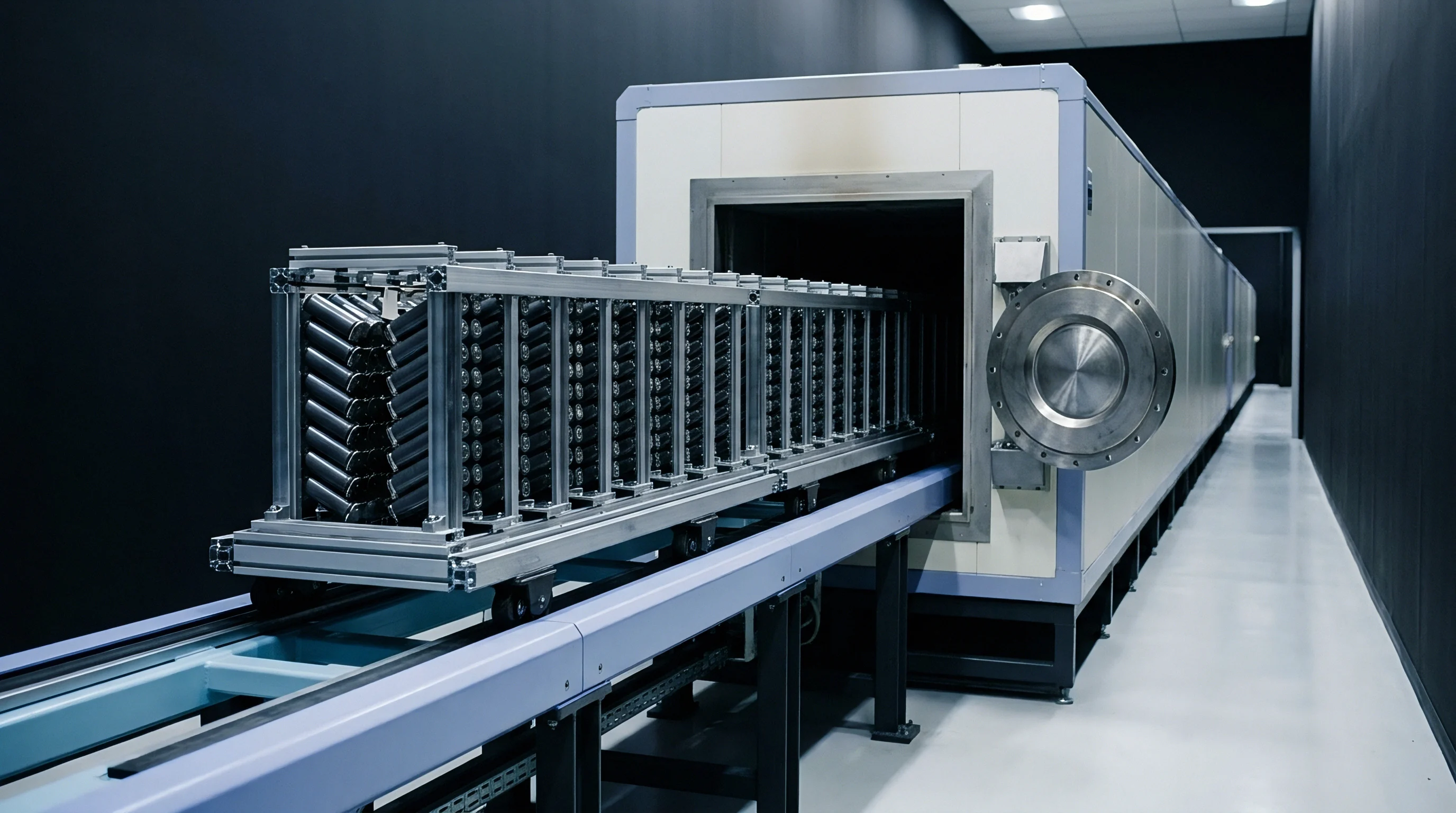
Capital Restructuring Options across Derivative Battery Platforms
Stretching amortization over derivative or next-generation vehicle lines offers a practical way to retire stranded capital without draining immediate cash reserves. If an initial electric vehicle program underperforms, the parties can agree to roll the unrecovered balance into the piece price of an upcoming refresh or an adjacent commercial fleet vehicle.
Executing this requires formal cross-program transfer agreements detailing how the legacy balance allocates to new part numbers. To avoid repeating the original shortfall, these agreements typically mandate annual true-up audits and minimum floor payments to guarantee full cost recovery regardless of secondary market demand.
| Workout Pathway | Financial Capital Settlement | Asset Possession Outcome | Program Timeline Extension |
|---|---|---|---|
| Lump-Sum Capital Buyout | Immediate cash true-up settling net unamortized balance after audit deductions. | Buyer takes immediate physical possession and legal title of all tooling assets. | Zero extension; completely terminates contract tooling obligations immediately. |
| Cross-Program Re-Amortization | Unrecovered balance embedded into unit pricing of a secondary active vehicle program. | Vendor retains physical custody and runs tooling for secondary program derivative parts. | Extended 24 to 48 months across secondary platform manufacturing lifecycle. |
| Title Transfer with Lease-Back | Buyer pays off remaining tooling capital debt and leases equipment back to vendor. | Buyer owns title; vendor retains physical possession under operational lease agreement. | Aligned with remaining active spare part service contract obligations. |
| Asset Salvage and Scrap Workout | Tooling decommissioned; physical metal scrap value credited against outstanding debt balance. | Assets scrapped or sold at public auction with proceeds split per contract share. | Zero extension; permanent retirement and disposal of physical production assets. |
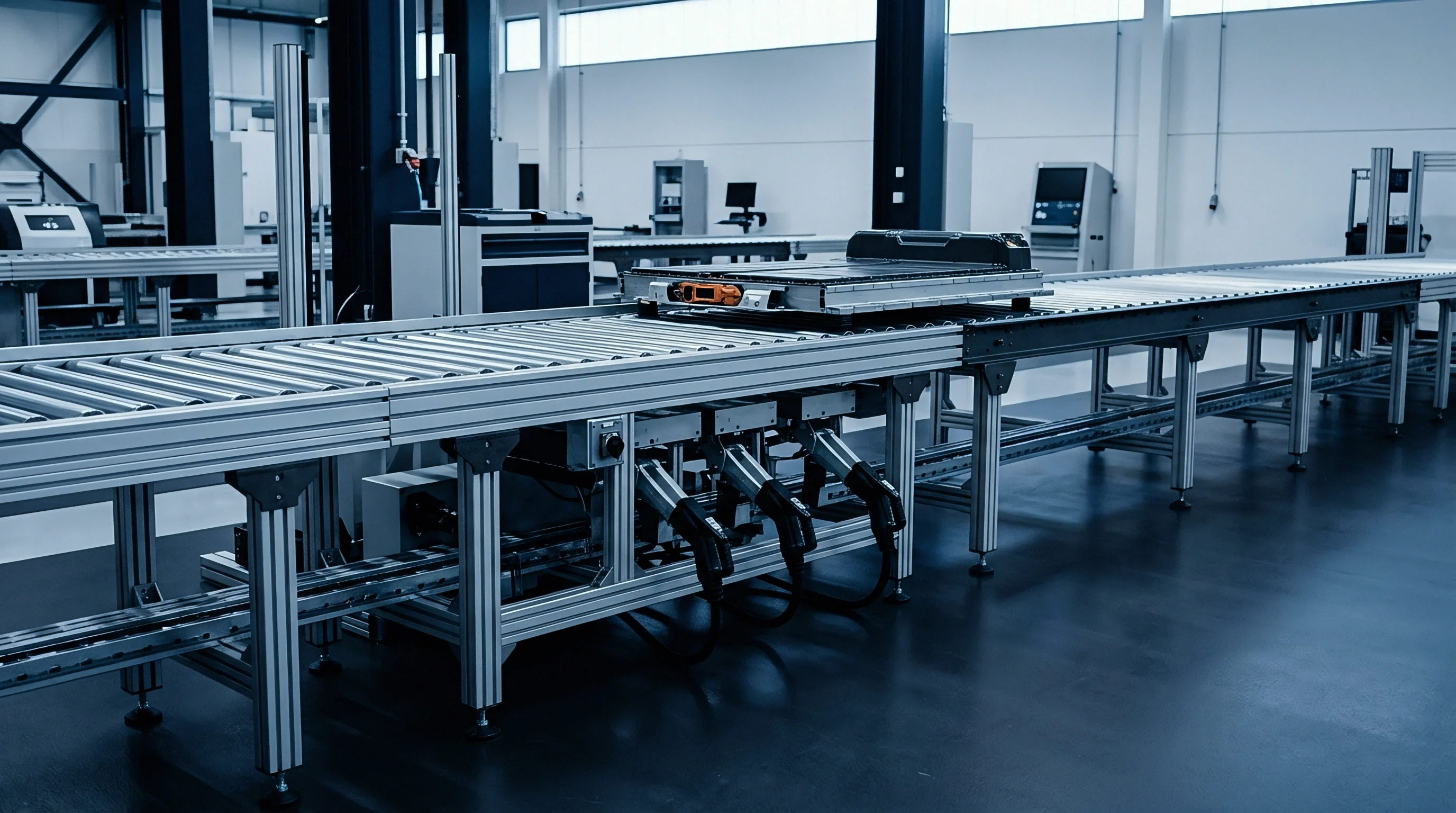
Settlement Mechanics and Physical Asset Buyout Protocols
A formal tooling buyout demands coordinated execution across legal transfer paperwork, technical sign-offs, and plant logistics. Once the automaker remits the agreed residual balance, the supplier issues a bill of sale conveying unencumbered title to the dies, molds, and line equipment.
Preparation for transit follows strict packaging protocols: applying rust-inhibiting grease to polished steel surfaces, fitting mechanical transport locks to mold halves, and crating all auxiliary fixtures alongside primary dies. The buyer arranges heavy rigging and freight transport to move the tooling to an internal plant or an alternate vendor, preserving the ability to restart production if demand rebounds.
The final agreement includes broad mutual releases barring further claims related to the program shortfall. Once wire transfers clear and bills of lading confirm equipment pickup, both finance departments close out the respective project codes, expunging the stranded assets and liabilities from their ledgers.