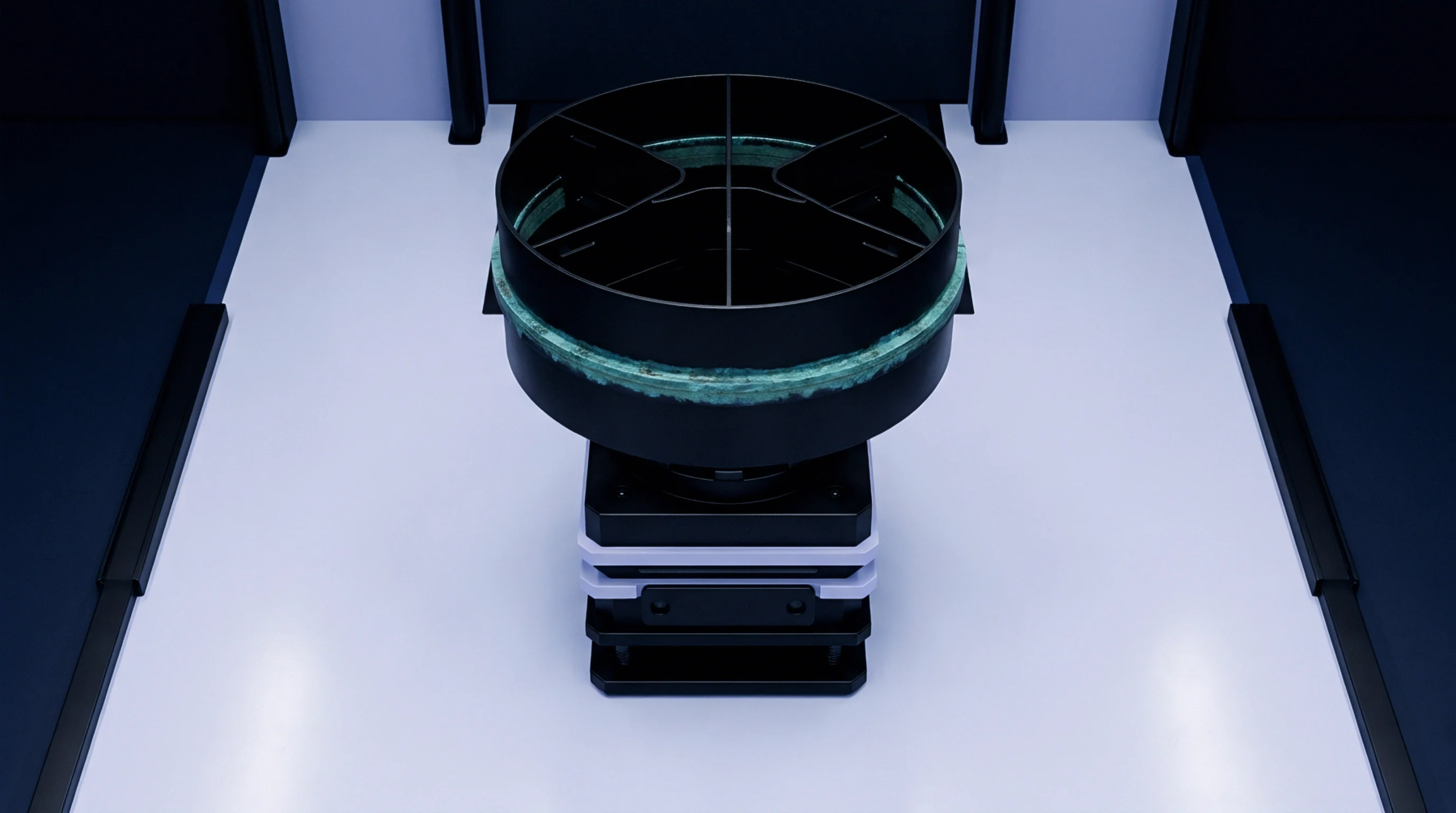
Gas Chromatography Mass Spectrometry Headspace Analysis for Battery Seal Integrity
GC-MS headspace analysis measures intrinsic electrolyte solvent vapors to detect sub-micron battery seal micro-leaks below 10^-7 mbar L/s without cell destruction.
A physical containment metric quantifies the resistance of a battery enclosure against gas or fluid ingress to prevent hazardous short circuits or degradation of internal components. Battery seal integrity provides the primary defense against atmospheric humidity and liquid contaminants that trigger electrolyte decomposition. Technical validation of this parameter involves applying vacuum decay or tracer gas leak detection methods across the mating surfaces of the module housing.
These procedures establish a pressure threshold that defines the maximum allowable leakage rate for the enclosure to maintain an inert internal environment throughout the operational lifespan of the unit. Failure to maintain such barriers results in accelerated cell aging and potential thermal runaway.
Monitoring the rate of helium passage through a gasket identifies microscopic defects before the assembly reaches final production stages. Engineers perform these tests after thermal shock cycles to ensure the sealant material retains elasticity under extreme temperature shifts. High pressure differentials force trace gases through voids that would otherwise remain closed at ambient pressure levels.
Reliable data from these measurements determines the viability of the sealing compound for long term deployment in demanding electric vehicle architectures. Correct installation of the cover plate often hinges on the compression set of the polymer material rather than the sheer torque applied to fasteners. Tight control over the curing duration of adhesive resins prevents the formation of internal air bubbles that compromise the barrier function.
Operational constraints define the boundary conditions where the gas permeability of a seal exceeds the safety margin required for volatile chemistry. Extreme humidity levels create an accelerated testing window that demonstrates the capacity of the barrier to exclude water vapor ingress. Measurements taken under high vibration frequency simulate the mechanical stress that causes fatigue cracking within the sealant interface.
Manufacturers compare these results against established standards to determine if the enclosure warrants an ingress protection rating. Failure at this stage indicates that the design geometry forces uneven distribution of clamping force along the flange perimeter. Proper housing design accounts for the coefficient of thermal expansion differences between the metal chassis and the polymer seal to prevent gaps during high heat states.
Quality management systems mandate systematic checks on the bead application process for robotic dispensing units to ensure consistency. Detection of non conformities relies on mass spectrometry sensors that trigger an automated reject cycle when leak counts surpass the calibrated limit. Technicians interpret the recovery curve of the pressure drop to isolate whether the source of a leak originates from the primary gasket or a faulty electrical feedthrough connector.
Precise calibration of these detection tools eliminates false negatives that potentially introduce compromised units into the supply chain. Successful verification of the closure ensures that the internal electrolyte chemistry avoids contact with external contaminants that induce uncontrolled pressure buildup. The ability to verify the barrier status at the module level remains the most reliable method for predicting the long term safety of the entire battery pack.
GC-MS headspace analysis measures intrinsic electrolyte solvent vapors to detect sub-micron battery seal micro-leaks below 10^-7 mbar L/s without cell destruction.
Expertise is a utility, not a secret. sentiention™ publishes its working knowledge as open reference: intelligence layer covering the materials it sources, the markets it enters, and the reference that serves both.