Meaning
Junctions designed for high current distribution act as the primary connection points between cell terminals and the external circuit. This busbar interface must maintain low electrical resistance under varying thermal and mechanical loads to prevent localized heating. It separates the electrochemical storage region from the distribution network while providing structural stability to the battery module.
Contact Resistance
Electrical performance in high-power applications depends heavily on the microscopic topography of the mating surfaces. When two conductors are pressed together, the busbar interface establishes current paths only at specific contact points.
Mechanical Joining
Fastening methods dictate both the long term reliability and the assembly speed of battery modules. Manufacturers often choose between laser welding, ultrasonic bonding, or bolted fasteners to secure the busbar interface. Laser welding produces a permanent joint with low impedance but requires precise alignment and strict thermal control.
Bolted configurations offer serviceability at the cost of increased mass and potential loosening over time from vibration. Ultrasonic bonding provides an alternative for thinner materials, creating a solid state weld without melting the metals, which reduces thermal stress on adjacent cell components.
Degradation Risk
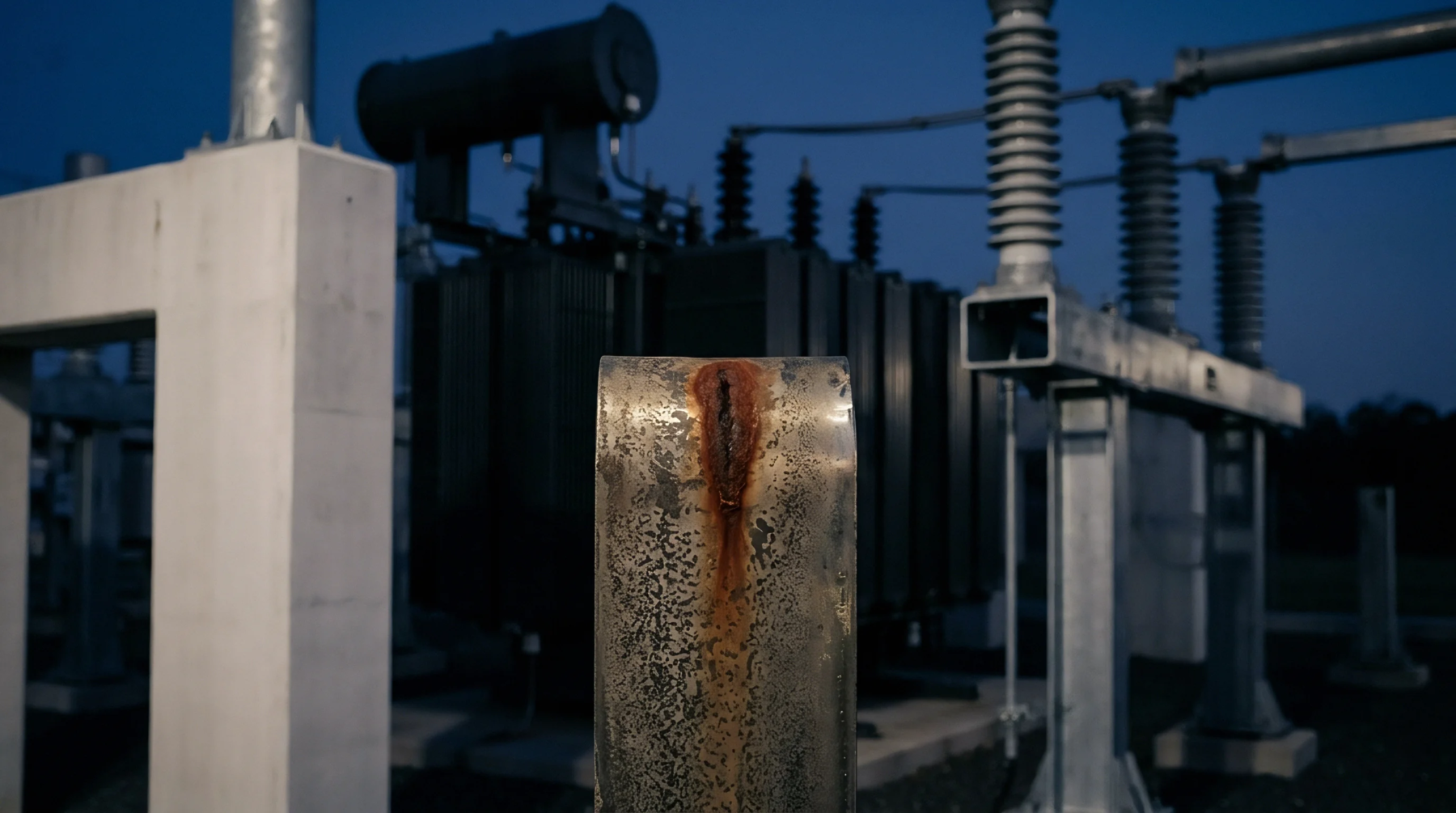
Environmental exposure introduces moisture and contaminants that compromise electrical connections over extended operation. Thermal cycling causes differential expansion that can stress the busbar interface and lead to micro-fractures. Intermetallic compounds may also form at the boundary when copper and aluminum are joined.
These brittle layers increase resistance and can cause mechanical failure under shock.