Meaning
Electrical resistance across the welded connection between battery cell terminals and conductive busbars determines the efficiency of a multi-cell module. Low busbar weld impedance ensures minimum power loss.
Measuring Method
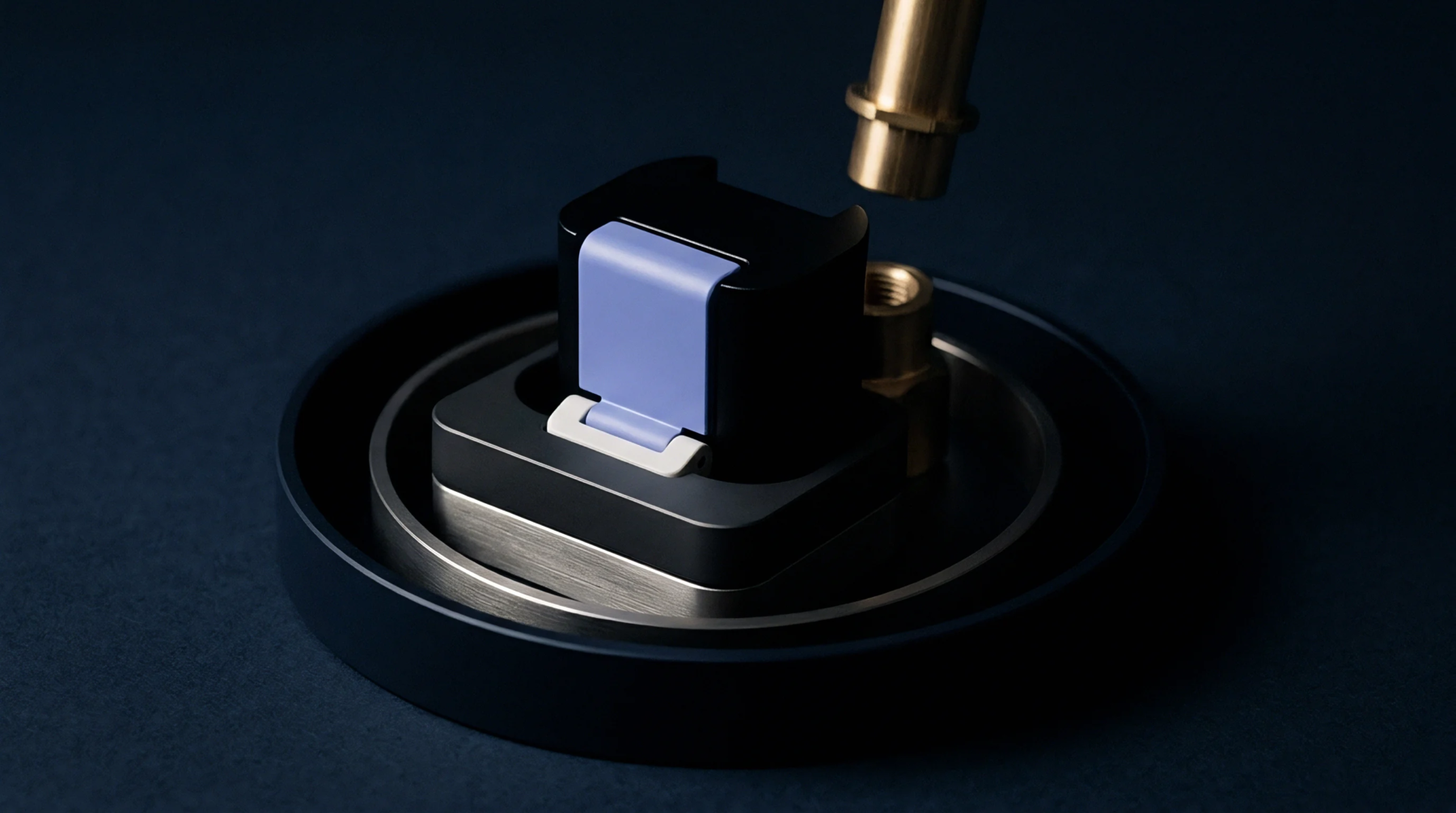
Precision micro-ohm meters apply a four-point Kelvin probe configuration to isolate the weld resistance from the test leads. To verify busbar weld impedance, the testing system sends a known current through the junction and measures the voltage drop. Variations in pressure or probe placement can alter the reading.
This process requires automated robotic positioning to achieve repeatable measurements on the production line.
Welding Process
Laser parameters such as power and pulse duration must be optimized to ensure stable joints between dissimilar metals like copper and aluminum. Inadequate energy delivery results in poor fusion and elevated busbar weld impedance. Conversely, excess heat can damage the cell terminal or the internal gasket, causing safety hazards.
Continuous monitoring of the weld area during assembly helps detect defective parts before the pack is sealed.
Longterm Reliability
Environmental stressors like mechanical vibration and thermal cycling can degrade the connection over the lifetime of the vehicle. If busbar weld impedance increases during operation, the unbalanced resistance can cause uneven cell discharge and trigger the battery management system to limit output. Regular diagnostics during maintenance checks can identify high-resistance welds before they cause system failures.
These precautions are essential for heavy duty transport applications.