Meaning
High conductivity electrolytic tough pitch metal identifies the primary conductor material for transferring high currents within energy storage enclosures. It ensures that electrical resistance remains at a minimum while facilitating rapid heat dissipation through the module frame. The standard specifies a minimum purity of 99.90 percent copper to maintain reliable electrochemical performance over the lifespan of the hardware.
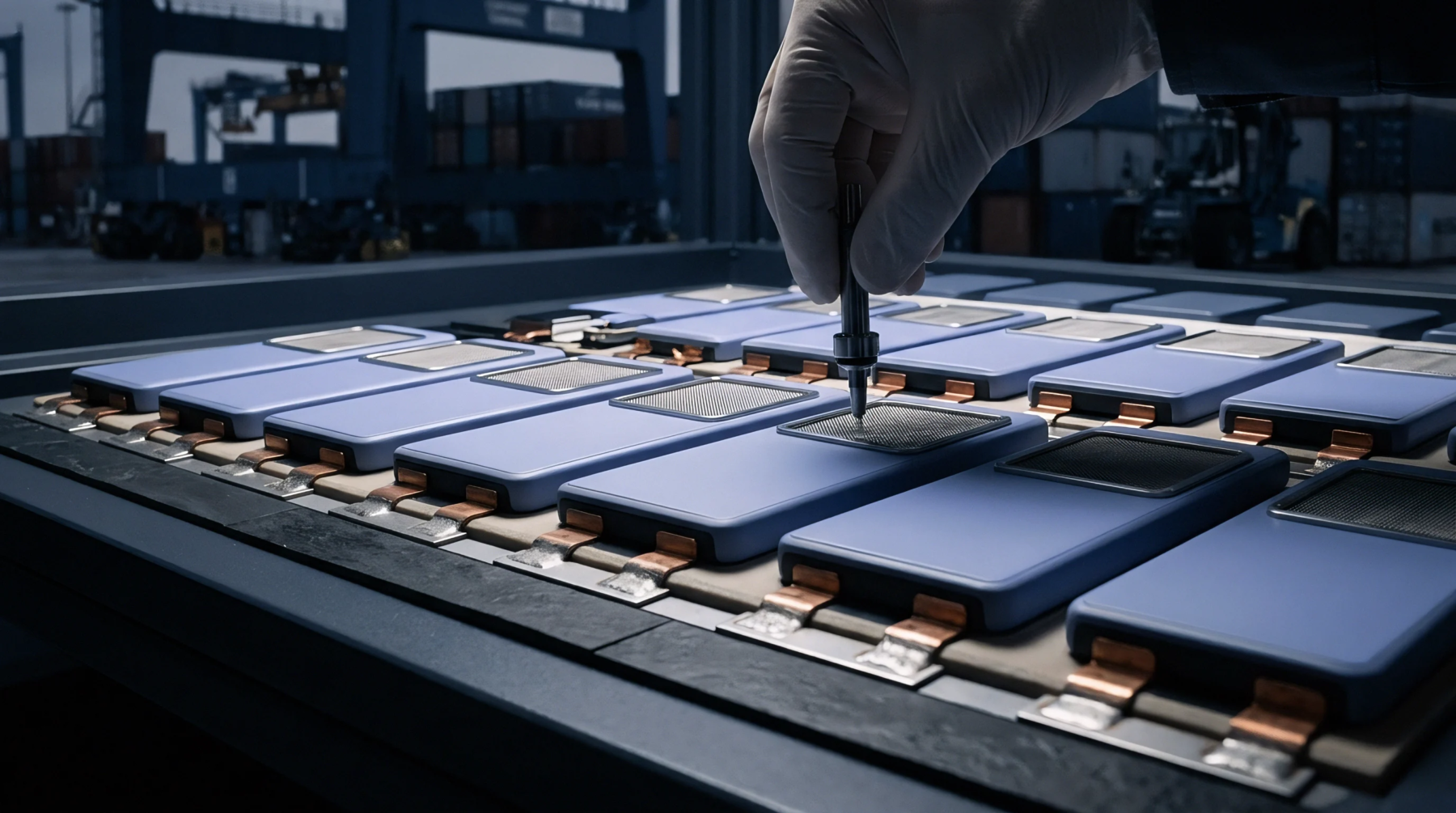
Ductility allows this c1100 copper busbar to undergo complex bending processes without structural fatigue or stress cracking at the joint locations. It defines the electrical pathway between individual cells or parallel banks in stationary battery racks. Evaluation stops where non-conductive mechanical supports or separate insulation layers begin to isolate the current path.
Material Property
Surface finishing often utilizes tin plating to prevent oxidation in environments with high humidity or chemical exposure. Common design choices involve silver or nickel coatings when contact resistance needs further reduction at high current junctions. Thermal conductivity remains the primary metric for sizing components during the engineering of high power discharge profiles.
Because this alloy retains electrical efficiency across wide temperature ranges, it supports consistent output without causing localized thermal hotspots inside the casing. Quality control checks utilize mass spectrometry to ensure zero contamination from unwanted metallic impurities. This uniformity provides predictable voltage drops across the entire interconnection network during long operation cycles.
Manufacturers provide mill certificates to verify that specific physical dimensions and purity levels align with internal fabrication requirements.
Selection Constraint
Dimensional accuracy determines how effectively the bar mates with laser welded or bolted terminals on the individual batteries. Designers calculate the thickness of a c1100 copper busbar by matching the cross sectional area with peak load expectations and voltage drop limits. Excessive thickness adds unnecessary weight and cost while insufficient volume triggers rapid overheating during surge events.
Since thermal expansion occurs during rapid charge cycles, flexible links often connect rigid bars to reduce mechanical tension on cell posts. Proper clamping pressure ensures that the interface remains stable despite external vibrations from seismic events or transport movements. Alignment depends on precise fixture positioning during the assembly of large multi cell modules in automated factories.
Procurement Metric
Bulk purchasing usually tracks current market indexes for raw refined metal alongside a fabrication premium for specific widths and holes. Sourcing teams confirm that every delivered c1100 copper busbar satisfies tolerance specifications for flatness and surface roughness. Missing documentation results in container rejection at the intake gate to maintain supply chain transparency for safety auditors.
Cost models assume standard sizes where possible to maximize material utilization and minimize scrap during stamping. Since this material constitutes a significant portion of the internal hardware expense, optimized geometry directly influences the total cost per kilowatt hour. Rigorous testing for conductivity ensures that every production batch facilitates peak operational performance without compromising the underlying system architecture.