Meaning
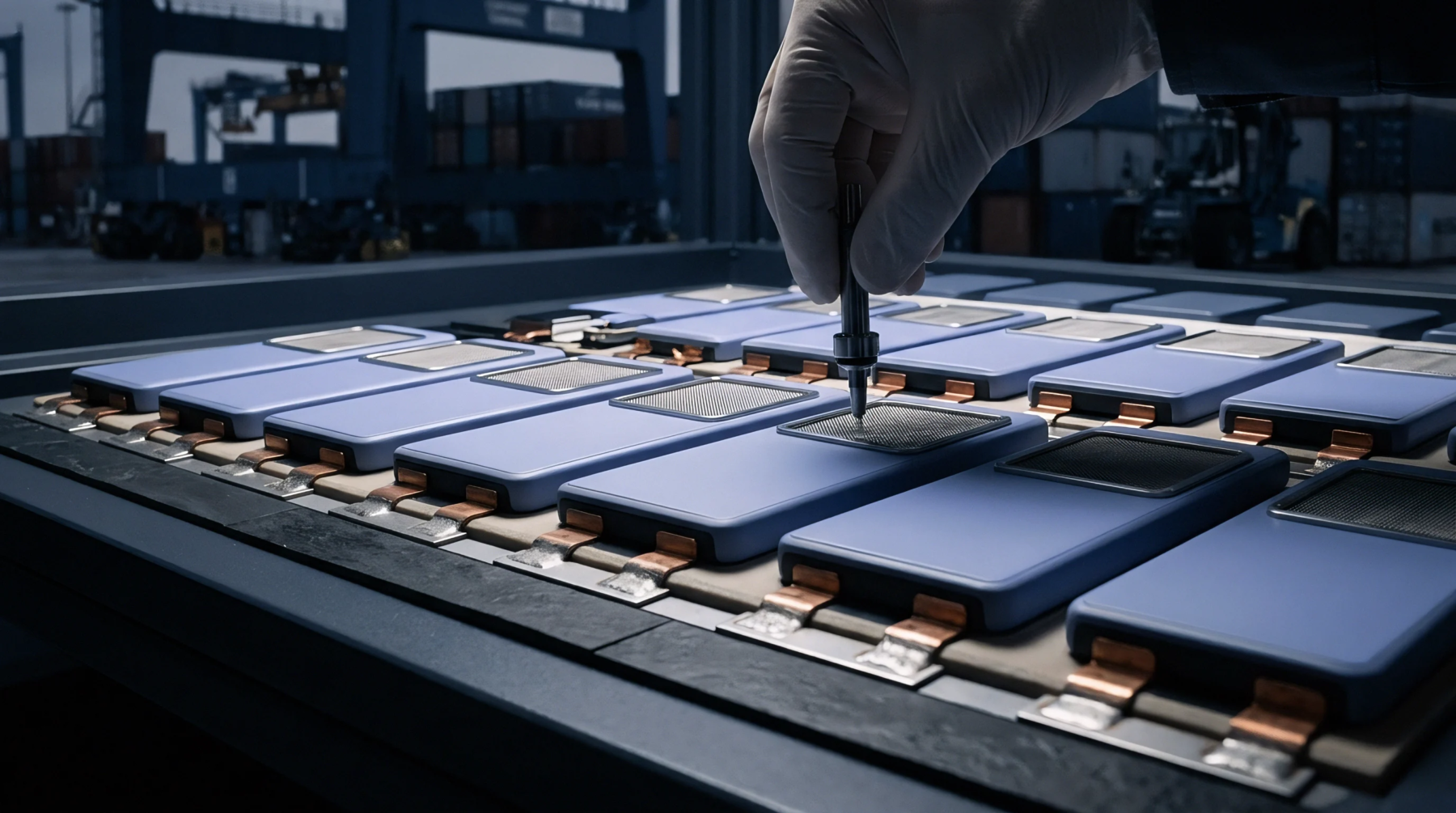
Manufacturing methods for protective cell housings use high-pressure polymer delivery into precision cavities to produce dimensionally stable, non-conductive structures for battery modules. High-volume automotive packs rely on cell carrier injection molding to maintain mechanical spacing between adjacent pouch or prismatic cells. This fabrication method controls the external envelope of each sub-assembly.
Material Choice
Thermoplastics used in this process must provide flame retardancy, low moisture absorption, and excellent dielectric strength. Engineering resins, often blended with glass fibers, ensure that the finished housings resist structural deflection during high-temperature operations. Selecting the correct resin grade protects the module from dielectric breakdown under high voltage.
Process Parameter
Cavity pressure, melt temperature, and clamp force are carefully modulated during the production run to prevent part warping and flash. If the polymer cooling rate is uneven, the molded part may experience internal stresses that lead to mechanical failure during subsequent assembly steps. Automation systems monitor these pressure profiles in real time to secure dimensional uniformity.
This continuous adjustment prevents the generation of defective components and reduces scrap rates at the end of the line, which directly improves production efficiency and lowers the unit cost.
Quality Output
Defect-free housings prevent cell displacement inside the module, ensuring that cooling channels remain open and electrical contacts stay aligned. If carriers are warped, cell compression becomes uneven, and this can shorten the cycle life of the battery pack. Dimensional audits check critical tolerancing on every production batch to verify batch consistency.