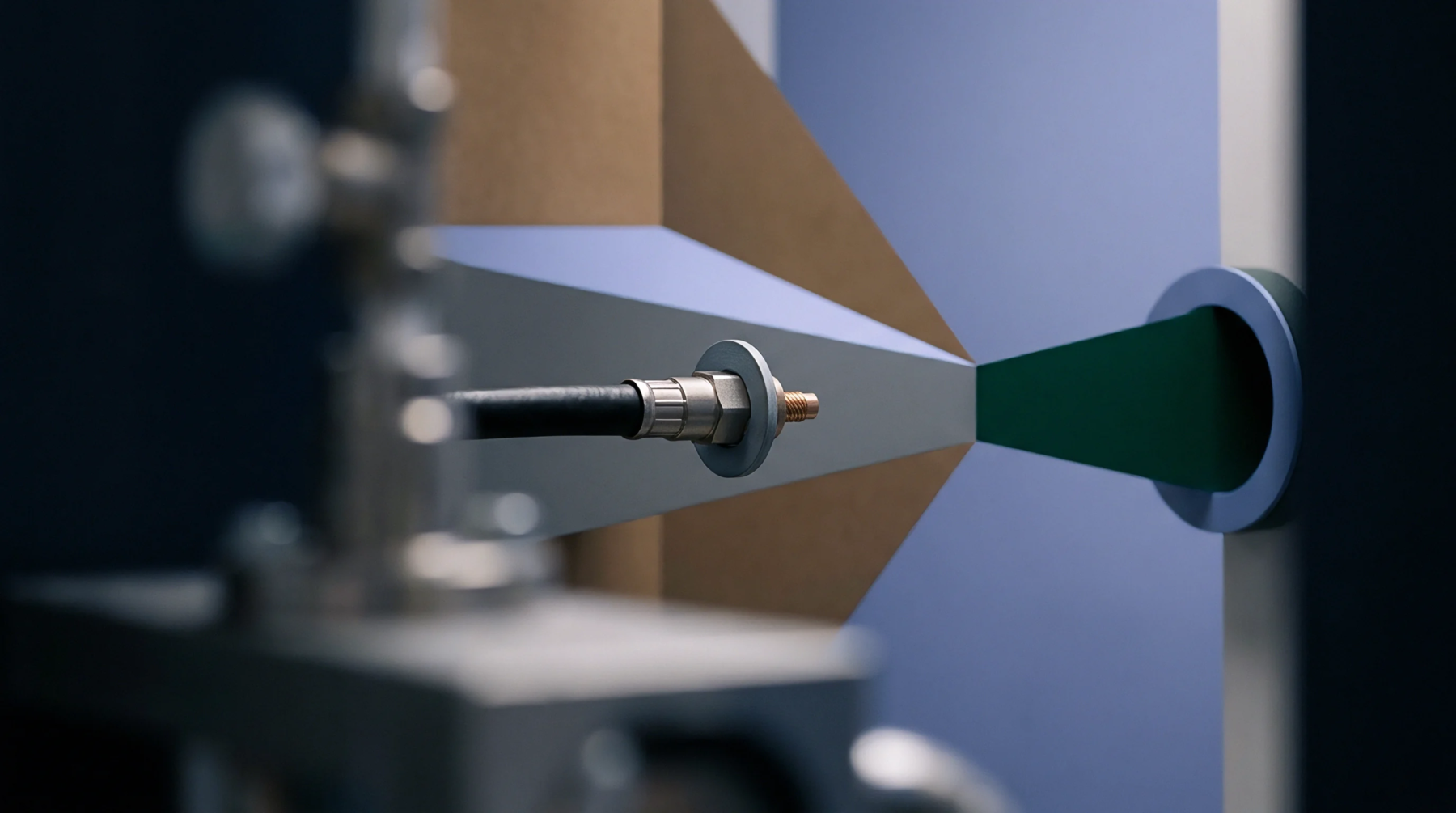
Ultrasonic Testing Protocols for Liquid Cooling Plate Joint Verification
High-frequency ultrasonic C-scan imaging verifies internal cooling plate joints by mapping acoustic impedance mismatches to prevent coolant leaks and bursts.
Mechanical degradation and chemical dissolution of protective surface claddings through high-velocity fluid impingement, abrasive particle contact, or localized cavitation threaten the structural longevity of battery thermal management components. In automotive and stationary battery pack cooling networks, clad erosion represents the progressive removal of corrosion-resistant aluminum alloys or protective surface layers applied over structural core materials. The loss of this sacrificial or barrier cladding exposes underlying base metals to direct interaction with circulating dielectric fluids or glycol-water mixtures.
Accelerated wall thinning follows, elevating the hazard of perforation, channel collapse, and catastrophic coolant ingress into sensitive cell enclosures. This degradation mechanism stops applying where surface layer loss is driven exclusively by static electrochemical corrosion without physical fluid motion or shear stresses.
High coolant flow velocities across cooling channel bifurcations, manifold entries, and tight serpentine bends generate severe wall shear stresses. In cooling systems subject to rapid flow pulsations, clad erosion begins when fluid shear forces strip away the microscopic passive oxide films that normally protect aluminum surfaces. Once this protective passive film is removed, the softer sacrificial cladding underneath experiences rapid mechanical tearing and micro-abrasion from suspended particles or cavitation bubbles.
Turbulent eddy formations behind internal channel features continuously wash away newly formed oxide layers, preventing natural material repassivation. The relentless fluid friction scours the metallurgically bonded clad layer down to the underlying structural alloy, forming deep localized gouges, flow grooves, and pinholes along high-impingement zones.
Perforation of the thin clad layer breaks the galvanic protection barrier engineered to safeguard cooling plate structural alloys. Core alloys often contain higher copper or manganese concentrations for mechanical strength, rendering them electrochemically nobler than sacrificial zinc-bearing clad alloys. Stripping the cladding shifts the local corrosion balance, concentrating aggressive pitting corrosion directly within the small exposed core footprint.
Structural load capacity degrades as localized wall thinning spreads across high-stress mounting points and cell interface surfaces. Fluid breach follows pitting perforation, allowing pressurized coolant to escape into the high-voltage module cavity and triggering electrical insulation faults, thermal runaways, or fire events.
Design guidelines and procurement validation protocols establish strict velocity thresholds for liquid cooling fluids to suppress erosive degradation over the vehicle service life. Coolant formulation standards restrict abrasive silicate and suspended particulate counts while mandating specific inhibitor packages to maintain passive oxide stability under turbulent flow. Heat exchanger supply agreements mandate long-term endurance testing under cyclic flow, elevated temperatures, and thermal shock conditions, requiring destructive cross-sectional metallography to confirm remaining clad thickness.
Minimum cladding thickness criteria typically mandate that at least seventy percent of the initial protective layer remain intact across high-impingement manifolds after thousand-hour accelerated flow trials. Sourcing departments enforce scrap penalties and redesign mandates if visual eddy scouring or measurable wall loss emerges during bench validation. Coolant flow testing without verified fluid filtration voids manufacturer warranties regarding cooling plate durability.
High-frequency ultrasonic C-scan imaging verifies internal cooling plate joints by mapping acoustic impedance mismatches to prevent coolant leaks and bursts.
Expertise is a utility, not a secret. sentiention™ publishes its working knowledge as open reference: intelligence layer covering the materials it sources, the markets it enters, and the reference that serves both.