Meaning
Mechanical shifts in internal mold components during the injection or casting phase result in internal feature misalignment. Core pin displacement occurs when the pressure of the molten material exceeds the clamping or retention force holding the pin in place. This movement creates holes or channels that are off-center or improperly sized.
Die Casting
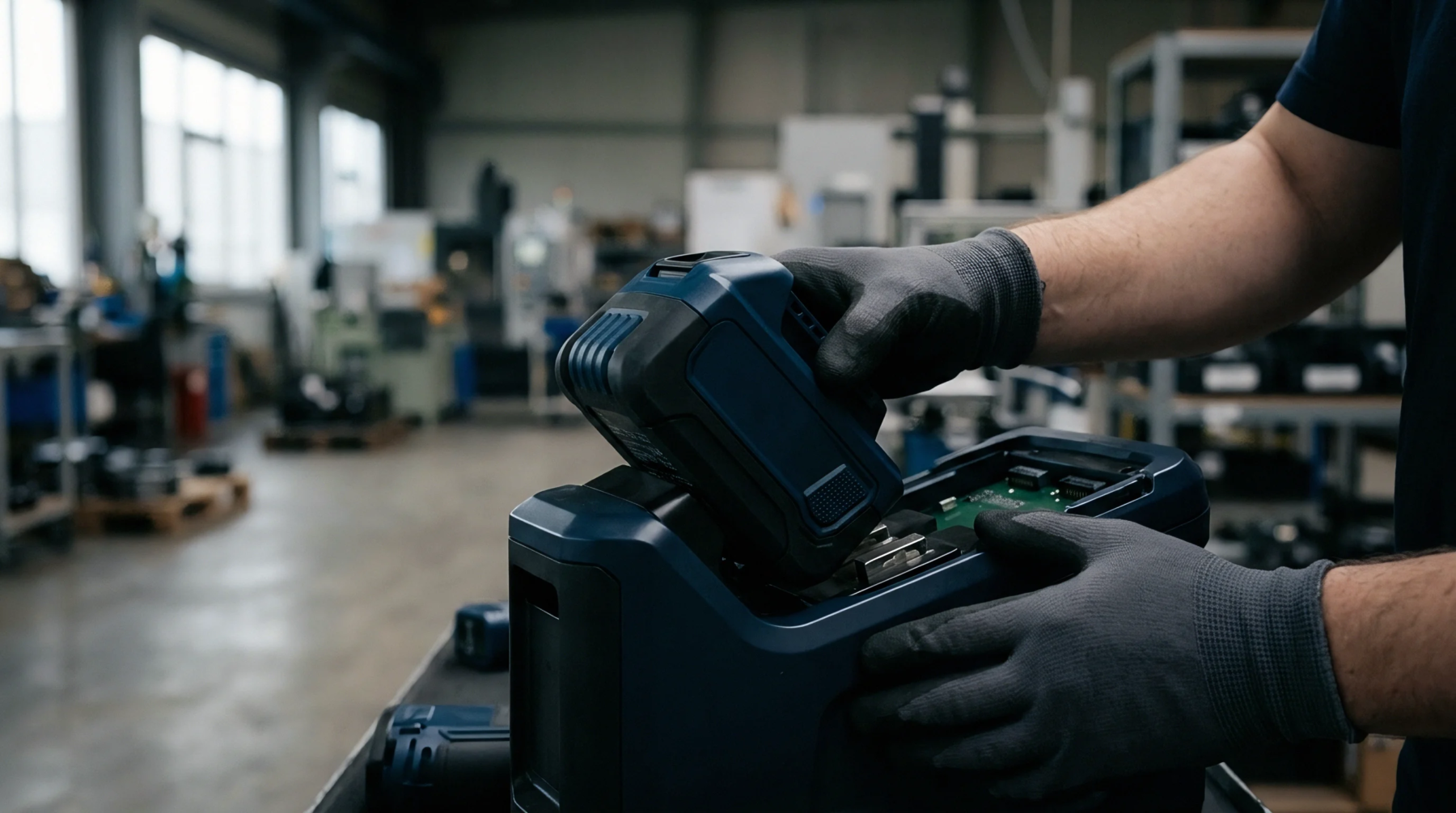
High pressure metal injection puts extreme lateral force on any stationary component protruding into the cavity. While core pin displacement is common in low-pressure processes, it becomes a major quality risk in the production of aluminum battery housings. Operators must monitor the hydraulic pressure to ensure it does not move the pins during the shot.
Dimensional Accuracy
Final part geometry depends on the pins remaining in their designated positions throughout the solidification process. Any core pin displacement leads to deviations that can prevent the assembly of cooling tubes or electrical connectors. These errors are often caught during final inspection with go-no-go gauges.
Tool Maintenance
Regular inspection of the pin seats and locking mechanisms prevents the loosening that allows movement. Over thousands of cycles, the pockets that hold the pins can wear down, increasing the likelihood of core pin displacement. Replacing worn pins before they fail ensures the tool continues to produce parts within the required specifications.