Meaning
Specified allowable variations in the physical size of a component ensure that every part fits correctly within a larger assembly. This dimension tolerance defines the gap between the minimum and maximum acceptable measurements for length, width and height. It dictates the precision required from the manufacturing equipment and the rejection rate of the production line.
Manufacturing Margin
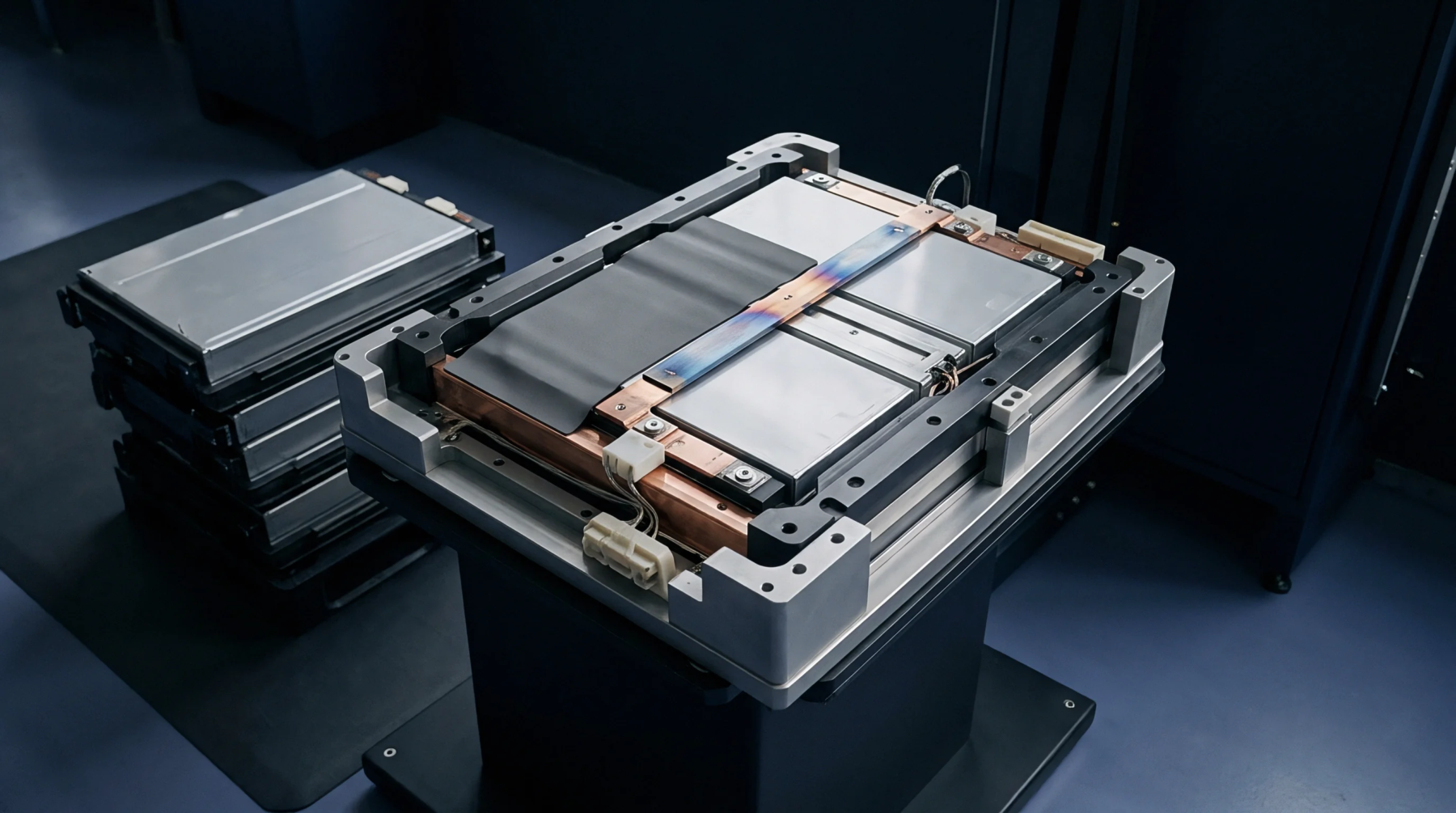
Machining and molding processes always involve some degree of unpredictability. A strict dimension tolerance ensures that battery cells can be compressed into a module without damaging the cooling plates. If the parts are too large, they will not fit the assembly jig, and if they are too small, they may rattle under vibration.
Assembly Fit
Stacked components multiply the individual variations into a cumulative error. Engineers calculate the dimension tolerance using root sum square methods to predict how many units will fall outside the acceptable range. This calculation allows for a balance between high precision costs and the risk of assembly interference.
Compliance Verification
Automated optical inspection systems measure every part against the computer aided design model. When a part falls outside the dimension tolerance, it is diverted to a rework station or discarded. Maintaining these standards is required for the high speed automated assembly common in modern giga factories.