Meaning
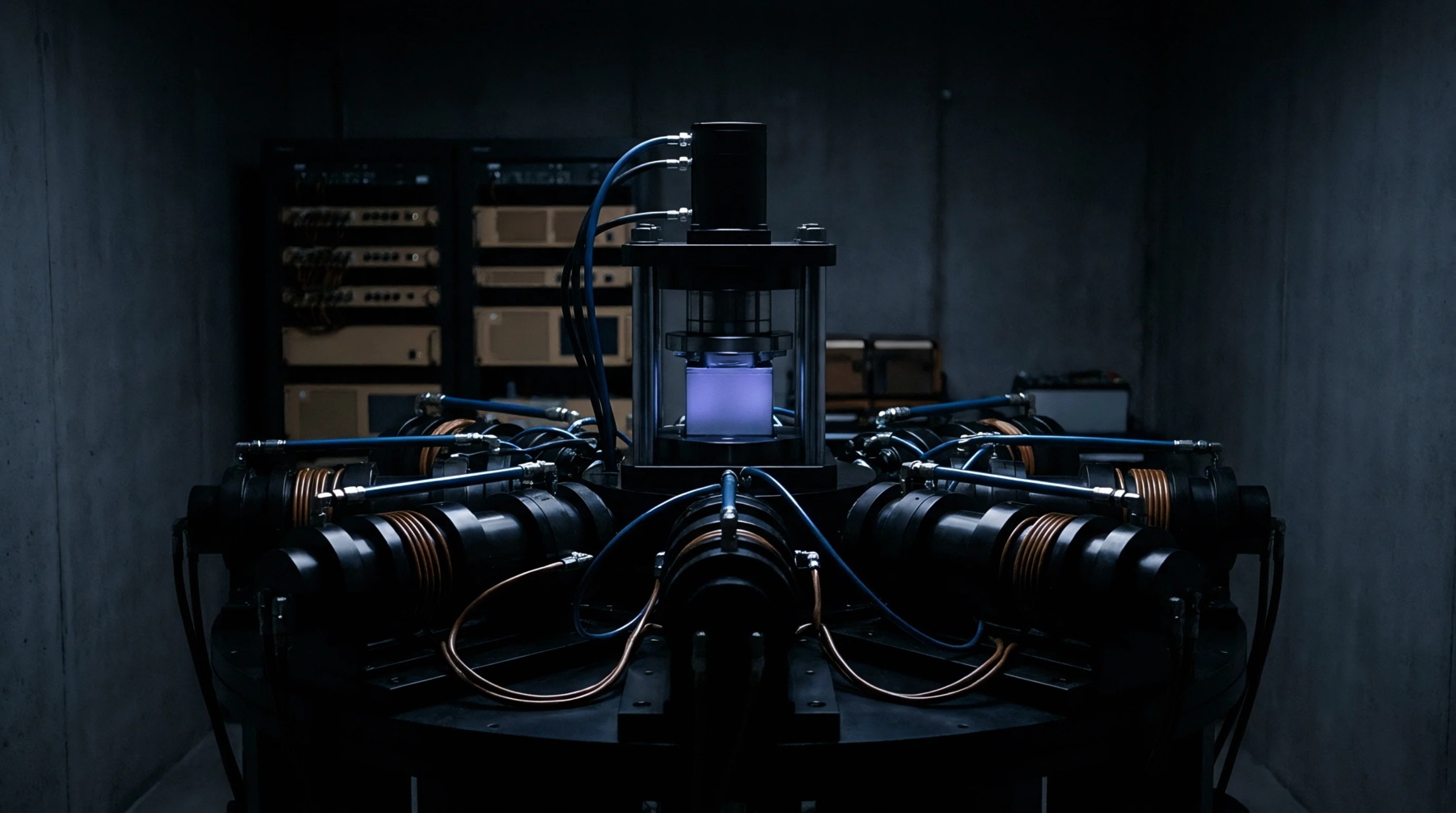
Physical forces that change in magnitude or direction over time apply mechanical loads to the internal structure of a battery system. This dynamic stress arises from vehicle acceleration, road vibration and shocks during shipping. It tests the durability of welds and the strength of the structural adhesives used to bond cells together.
Vibration Amplitude
Harmonics created by rotating machinery can match the natural frequency of the battery pack. Under these conditions, dynamic stress increases rapidly and can cause the failure of sensitive electronics. Testing protocols like ISO 16750 3 simulate these environments by shaking the pack at different frequencies for hundreds of hours.
Material Endurance
Constant movement causes materials to fail at lower force levels than they would under a steady load. Designers must account for dynamic stress by selecting materials with high fatigue limits. This selection prevents the structural frame from cracking during the ten year lifespan of a commercial vehicle.
Field Reliability
Real world usage often involves sudden impacts that exceed the limits of standard laboratory tests. When dynamic stress is managed through robust damping and mounting, the electrical connections remains stable. This stability prevents intermittent contact issues that could cause the vehicle to lose power unexpectedly.