Meaning
A versatile cellular material produced from the reaction of diisocyanates and polyols used for thermal and mechanical isolation inside battery modules. This polyurethane foam fills internal spaces between individual cells to absorb kinetic energy during vehicle operation or transport. It defines the distance between components and functions as a barrier against localized heat spread.
Every layer provides a specific resistance value that contributes to the overall electrical insulation of the assembly. The boundary where it stops being useful is defined by its melting point and its limit of compression before permanent failure occurs. Usage involves selecting exact density levels to match the required pack rigidity and vibration damping targets for the hardware.
Mechanical Damping
Structural stability depends on the material stiffness maintaining the correct position of each battery cylinder or pouch. When used as a wrap, polyurethane foam prevents small mechanical oscillations from damaging sensitive weld points at the terminals. It behaves differently under high speed impact compared to static loading situations.
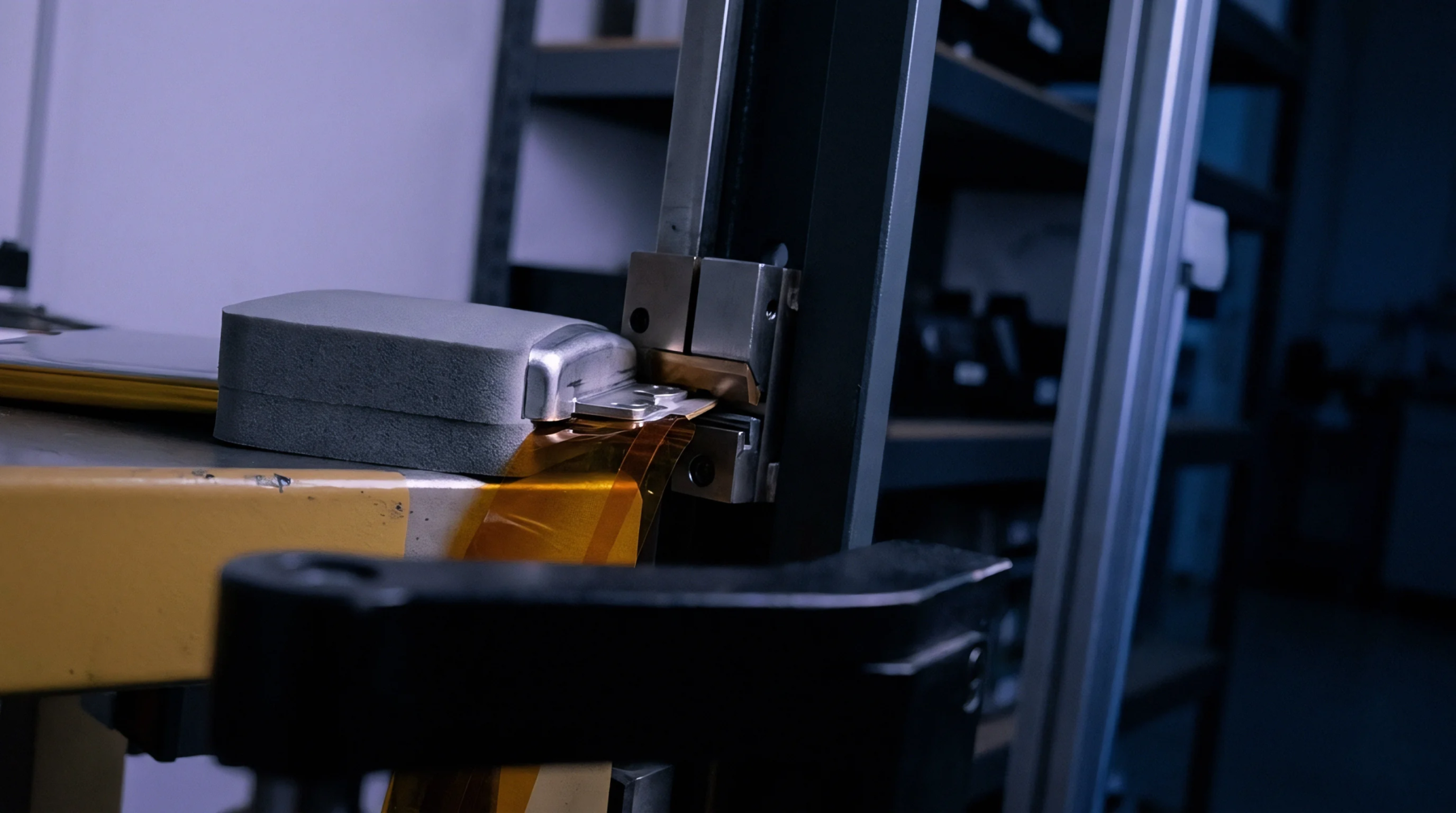
Testing protocols measure the energy absorption rates to ensure the foam protects cells during sudden vehicle deceleration. If the density is too low, the foam allows too much movement and fatigues the internal busbar connections. High density options provide firmer support but add weight and might transfer more vibration into the main housing.
Correct balance preserves the electrical path over the lifetime of the vehicle.
Thermal Resistance
Retarding heat transfer between neighboring modules prevents a localized failure from scaling into a wider systemic problem. The cellular structure of the polyurethane foam traps tiny gas bubbles that create a resistive barrier for thermal flow. Manufacturers adjust the formula to include fire retardants that slow down the progression of flames.
This layer helps keep temperature gradients uniform across the entire array during high power operation. If one cell overheats, the foam maintains separation until the safety logic can initiate a cooling sequence. Measuring the thermal conductivity involves placing the sample between heated plates and measuring the energy passage over several minutes.
These results move the purchasing decisions for engineers designing for extreme environments like cold regions or intense deserts.
Environmental Limit
Longevity depends on how the chemical structure reacts to moisture and changing pressure over ten years of storage. Regular exposure to chemicals from a leaking electrolyte causes standard polyurethane foam to swell or break apart chemically. Designers look for chemically resistant grades that remain intact even if internal pack errors occur.
Aging tests involve placing samples inside chambers with high humidity to simulate the environment inside a sealed storage container. If the material stays within ninety percent of its shape, it passes the qualification for long term use. Low outgassing formulas are necessary to avoid depositing film on sensitive electronic connectors inside the main BMS housing.
Reliable integration ensures that the material supports the cells without introducing new chemical risks to the system.