Meaning
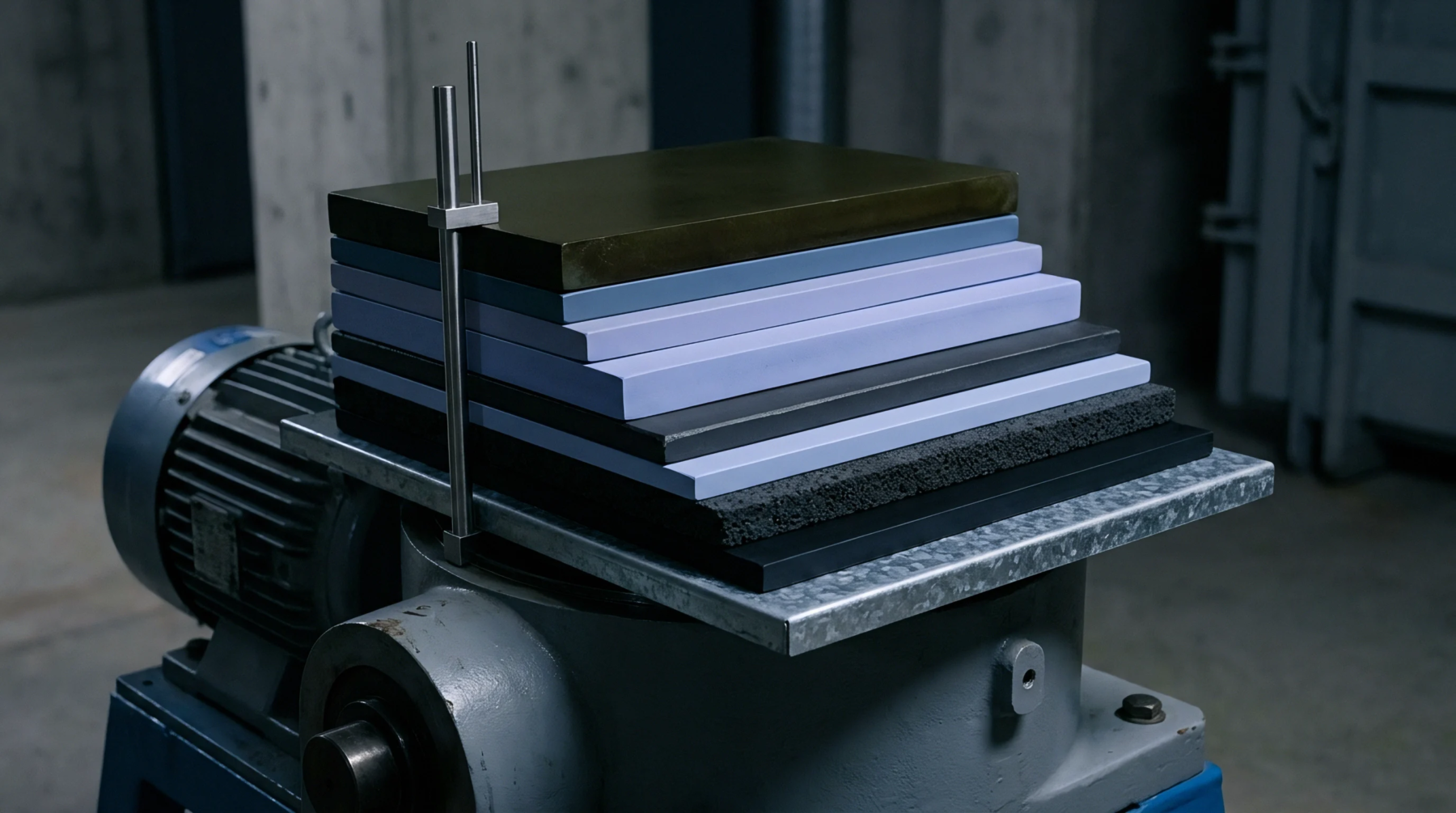
Compressible gap filler materials establish a conductive path for heat energy between battery cells and cooling plates. An elastomeric thermal pad fills the microscopic irregularities on metal surfaces to maximize the contact area. This component accommodates the dimensional tolerances found in large scale battery modules.
Compliance Range
Elastic deformation allows the material to conform to uneven surfaces without requiring excessive force. Because an elastomeric thermal pad is soft, it absorbs the stack-up tolerances of multiple cells. The material returns to its original shape when the pressure is removed.
Thermal Transfer
Heat moves through the polymer matrix via conductive fillers such as ceramic or metallic oxides. The efficiency of an elastomeric thermal pad is measured by its bulk thermal conductivity and its ability to wet the substrate. High pressure generally improves the heat flow by thinning the bond line.
Assembly Load
Mechanical designers must calculate the force required to reach the target compression level for the material. If an elastomeric thermal pad is too stiff, the resulting pressure might damage the fragile pouch or prismatic cells. Proper loading ensures the thermal path remains stable over the life of the vehicle.
The design must account for the hardening of the elastomer over time as repeated thermal cycling can change the physical properties and the effective spring rate of the pad.