Meaning
Volumetric changes in electrode materials occur during the intercalation and deintercalation of ions. Primary causes of electrochemical swelling include the insertion of lithium ions into the lattice of the host material, which pushes atoms apart and increases the bulk dimensions of the anode or cathode. Silicon anodes experience extreme variations reaching three hundred percent.
Graphite remains more stable but still exhibits a measurable increase of about ten percent at full charge, representing a predictable physical limit for most commercial cells.
Expansion Driver
Atomic lattice parameters shift when ions occupy interstitial sites within the crystalline structure. Such electrochemical swelling results in internal mechanical pressure that can fracture active material particles or delaminate the electrode from the current collector. Binders must retain their elastic properties to prevent the isolation of active particles.
Porosity within the electrode provides some room for these changes without external growth.
Structural Consequence
Pressure exerted on the battery casing or pouch material dictates the safety margins required in pack assembly. If electrochemical swelling is not accommodated by compressible foam spacers or reinforced modules, the stress can rupture the seal of the cell. Excessive deformation often leads to internal short circuits.
Modular designs must account for the maximum thickness change over the entire service life of the hardware.
Measurement Technique
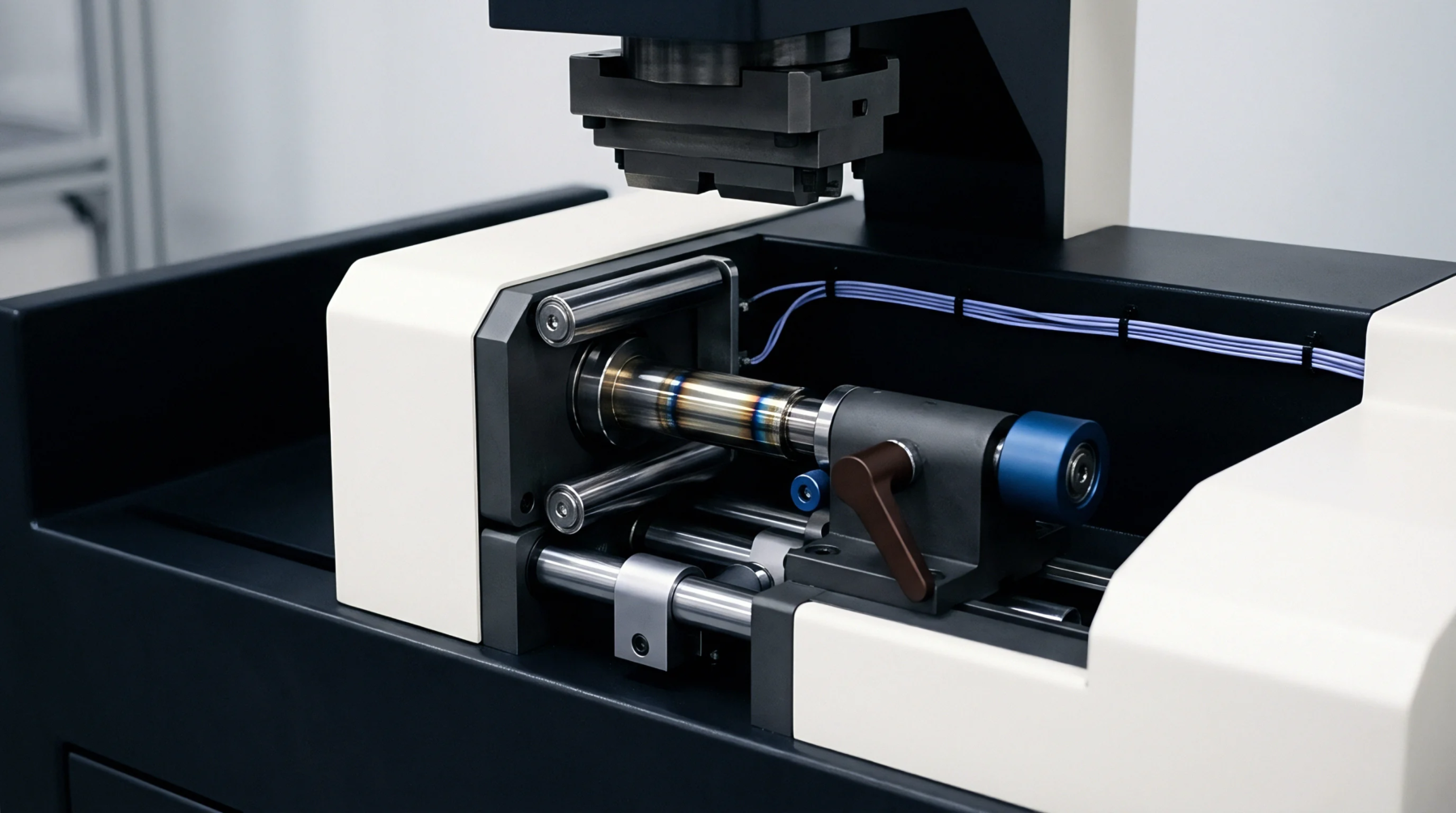
Dilatometry provides precise data on the thickness changes of a cell under varying states of charge. It allows for the characterization of material behavior under load.