Meaning
Ratio of the maximum localized stress at a geometric discontinuity to the nominal stress in the surrounding uniform region defines the severity of local load amplification. Designers calculate the stress concentration factor to identify where a battery casing or terminal joint is most likely to yield under mechanical load. This dimensionless value depends entirely on the geometry of the part, such as the radius of a corner, the depth of a groove, or the shape of a weld seam.
It is independent of the material properties of the alloy.
Structural Analysis
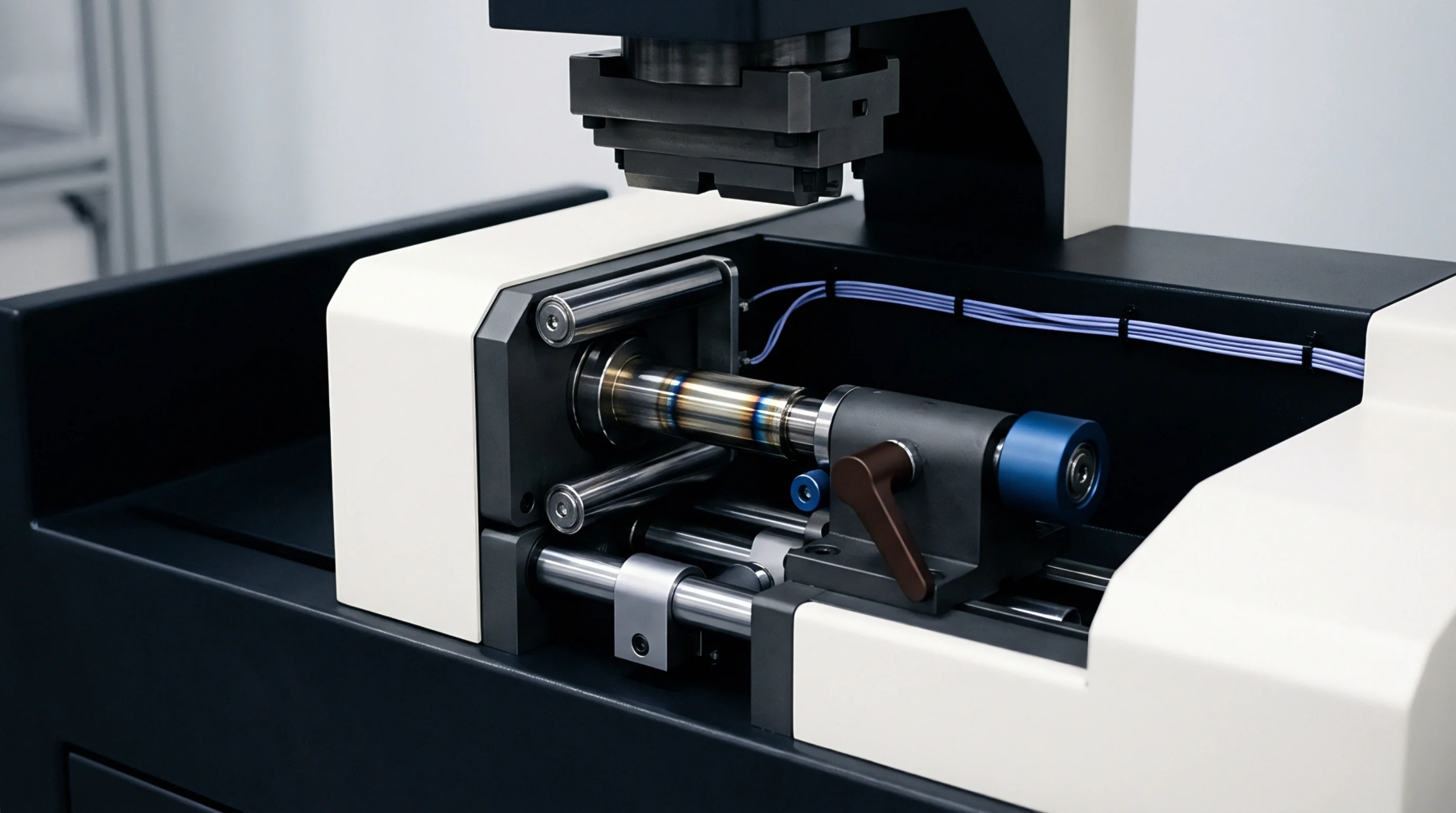
Finite element models are utilized to calculate the precise stress distribution around complex geometries like the safety vent or the weld root. A high stress concentration factor indicates that the local stress will rise rapidly even under moderate external forces. In battery casings, the transition between the thin walls of the can and the thicker terminal plates is a frequent source of high values.
To reduce the risk of structural failure, engineers must increase the fillet radii and smooth the geometric transitions.
Failure Mechanism
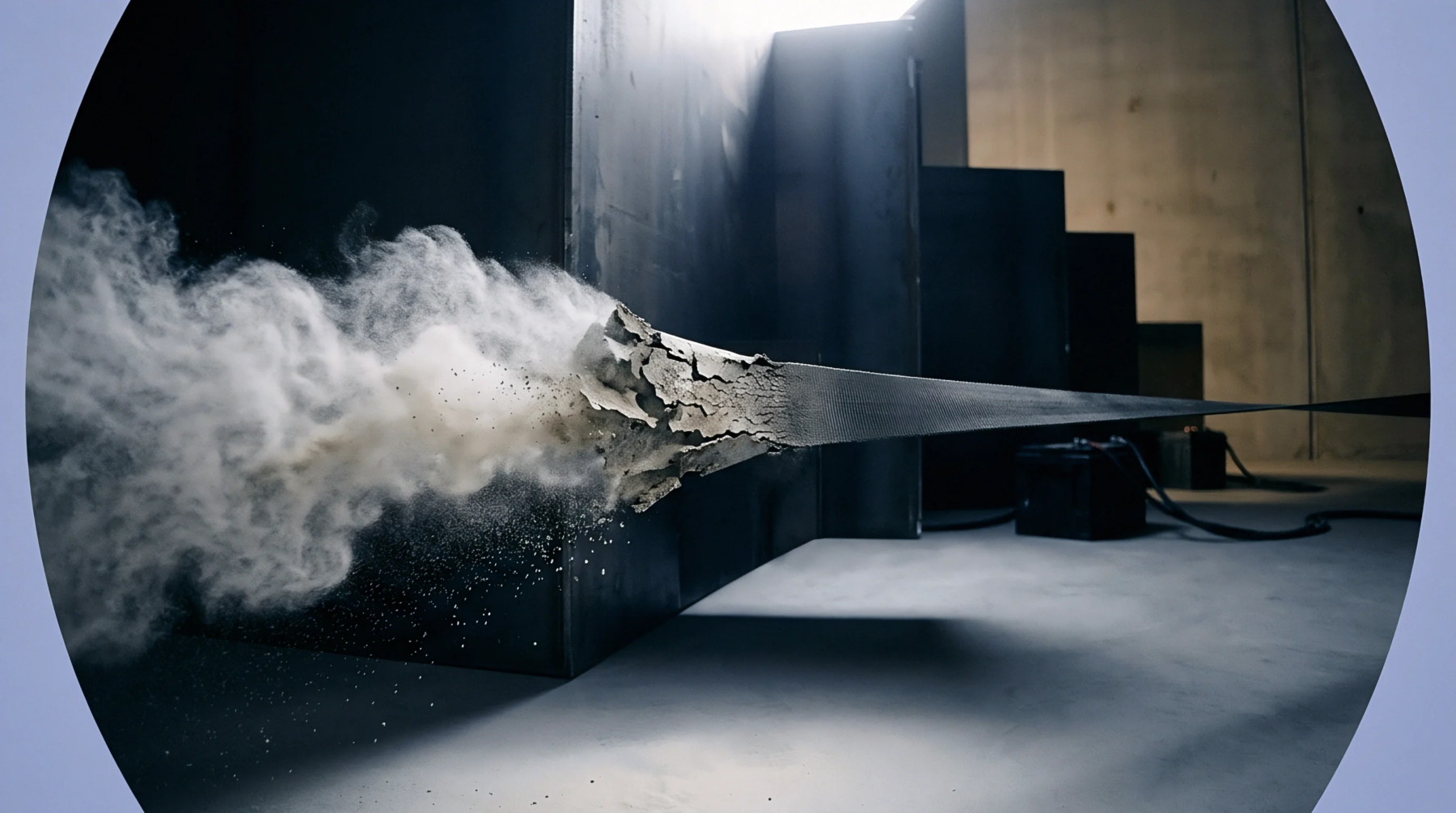
Cyclic loads from vehicle vibrations or thermal expansion can lead to the initiation of fatigue cracks at these high-stress points. Once a crack forms, the local stress rises further, accelerating the rate of crack propagation. This process can lead to the sudden rupture of the cell housing or busbar joint.
Design Rule
Fillet radii at all sharp corners must be maximized to keep the stress concentration factor below a target value of two.