Meaning
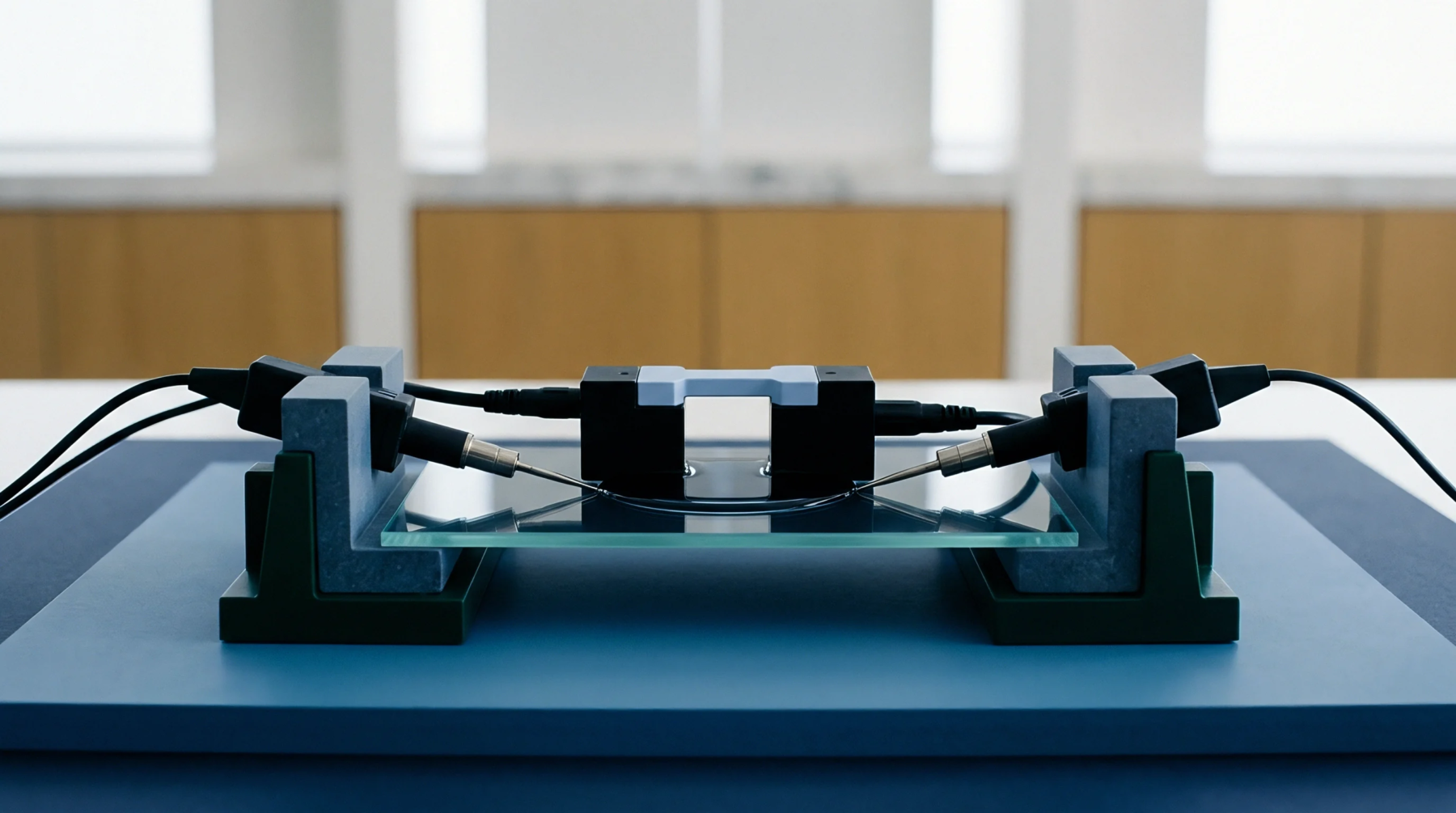
Connecting the positive and negative terminals through a low resistance external path creates a massive surge in electrical current. This external short circuit triggers rapid heat generation within the cell as the stored chemical energy converts into thermal energy almost instantly. It governs safety rating levels and determines the effectiveness of internal components like current interrupt devices or shutdown separators.
Testing conditions define specific resistance levels typically below eighty milliohms to validate how the housing reacts to the spike. Compliance reports indicate whether the device vents, fires or simply disables the circuit before damage occurs. This term applies until the circuit breaks or the voltage drops to zero.
Discharge Dynamics
High magnitude current flows cause immediate stress on the copper and aluminum foils inside the assembly. During an external short circuit, the intensity of electron movement generates enough heat to melt thin plastic components within seconds. If the separator remains intact, the device might survive the event by using up its capacity at an extreme rate.
Engineers monitor these events to calculate the maximum temperature rise near the terminal joints. These observations lead to better design choices regarding the placement of thermal fuses or circuit breakers. If the housing ruptures during this phase, the cell fails its safety validation requirements for global distribution.
Containment Protocol
Safety housings must manage the pressure increase associated with rapid gas evolution during these events. When an external short circuit occurs, the internal electrolyte begins to boil if the heat transfer rate is too slow. Pressure vents act as the final defense mechanism by releasing gases before the outer casing fragments.
Technicians record these outcomes to verify that fire does not spread to adjacent units in a module. High voltage systems rely on these tests to ensure that a single component failure does not lead to a cascaded disaster. Effective containment ensures that the resulting thermal energy is directed away from critical electronic components or personnel.
Failure Threshold
Documenting the exact moment of thermal runaway helps manufacturers set safe operating boundaries for different packs. Observing an external short circuit allows testers to find the breaking point of chemical stabilizers added to the active materials. If the cell reaches a critical temperature plateau, the anode and cathode might react directly with each other.
This condition causes permanent failure and removes the device from the useful supply chain immediately. Precise measurements of current spikes help engineers define the limits of electronic protective measures. Reliable safety documentation provides the evidence buyers need to confirm the resilience of hardware in high vibration or crash scenarios.