Meaning
Analytical validation of solid precursor materials through plasma sputtering allows for the verification of high purity battery chemicals. Primary producers use glow discharge mass spectrometry to certify the purity of lithium, cobalt, nickel and manganese metals or oxides. The technique provides a wide dynamic range, measuring concentrations from percentage levels down to parts per billion.
It is considered a standard for solid state elemental analysis in the electronics and energy industries.
Analytical Mechanism
Argon ions accelerated in a plasma discharge sputter atoms from the surface of the conductive sample. These sputtered atoms are subsequently ionized and guided into a mass analyzer for separation based on their mass to charge ratio. Unlike techniques that require liquid dissolution, glow discharge mass spectrometry avoids the introduction of contaminants from acids or solvents.
Sample Preparation
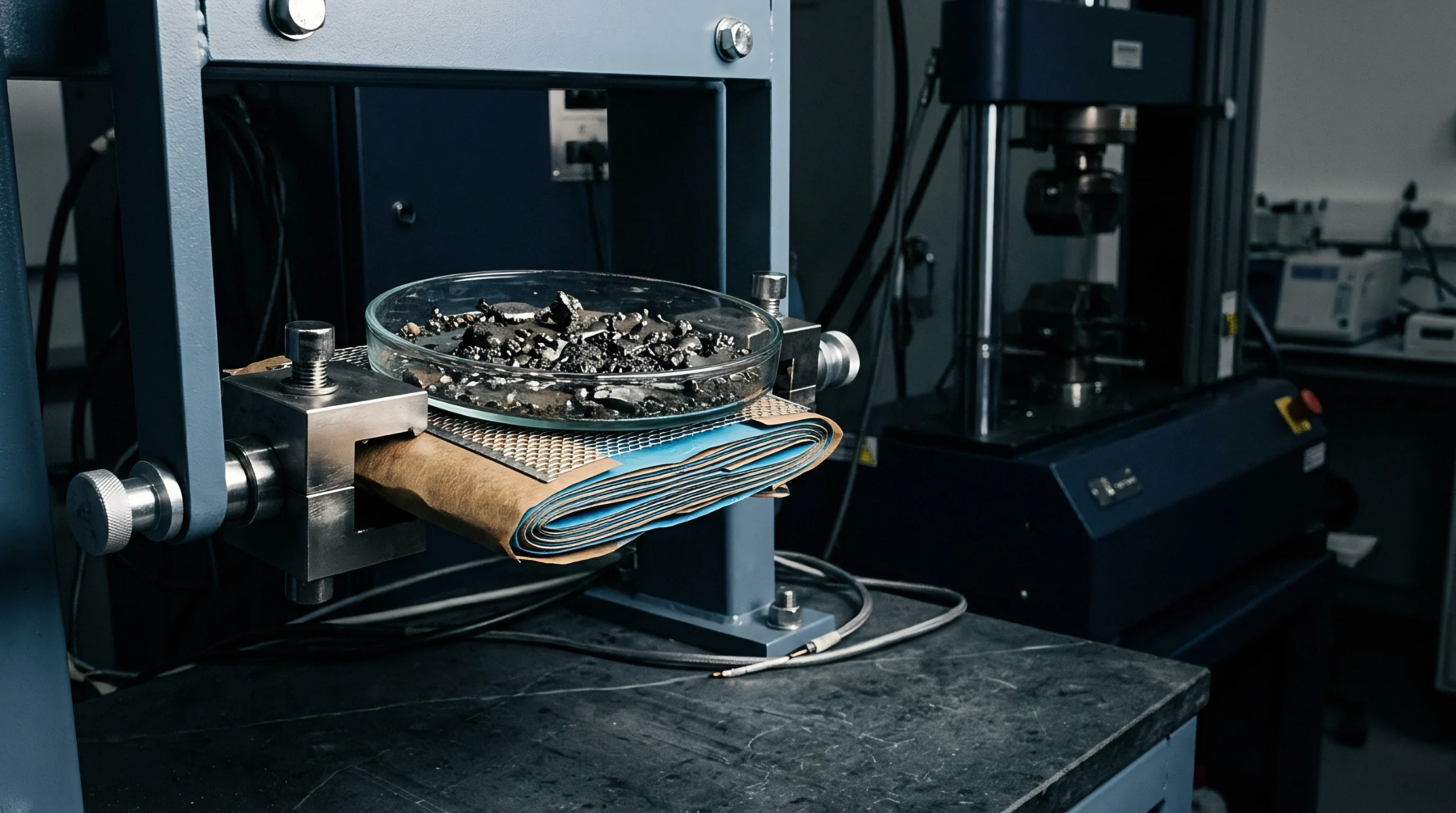
Preparation of the specimen involves grinding or pressing the material into a flat disc or pin that can act as a cathode. For non conductive powders, a high purity binder like silver or graphite is mixed with the substance to allow the discharge to occur. This physical preparation maintains the original stoichiometry of the sample.
Detection Limit
Sensitivity of the instrument permits the identification of almost every element in the periodic table within a single run. Low background noise ensures that the results for transition metals and heavy elements are highly reliable. Manufacturers rely on these data points to guarantee the performance of their electrochemical products.