Meaning
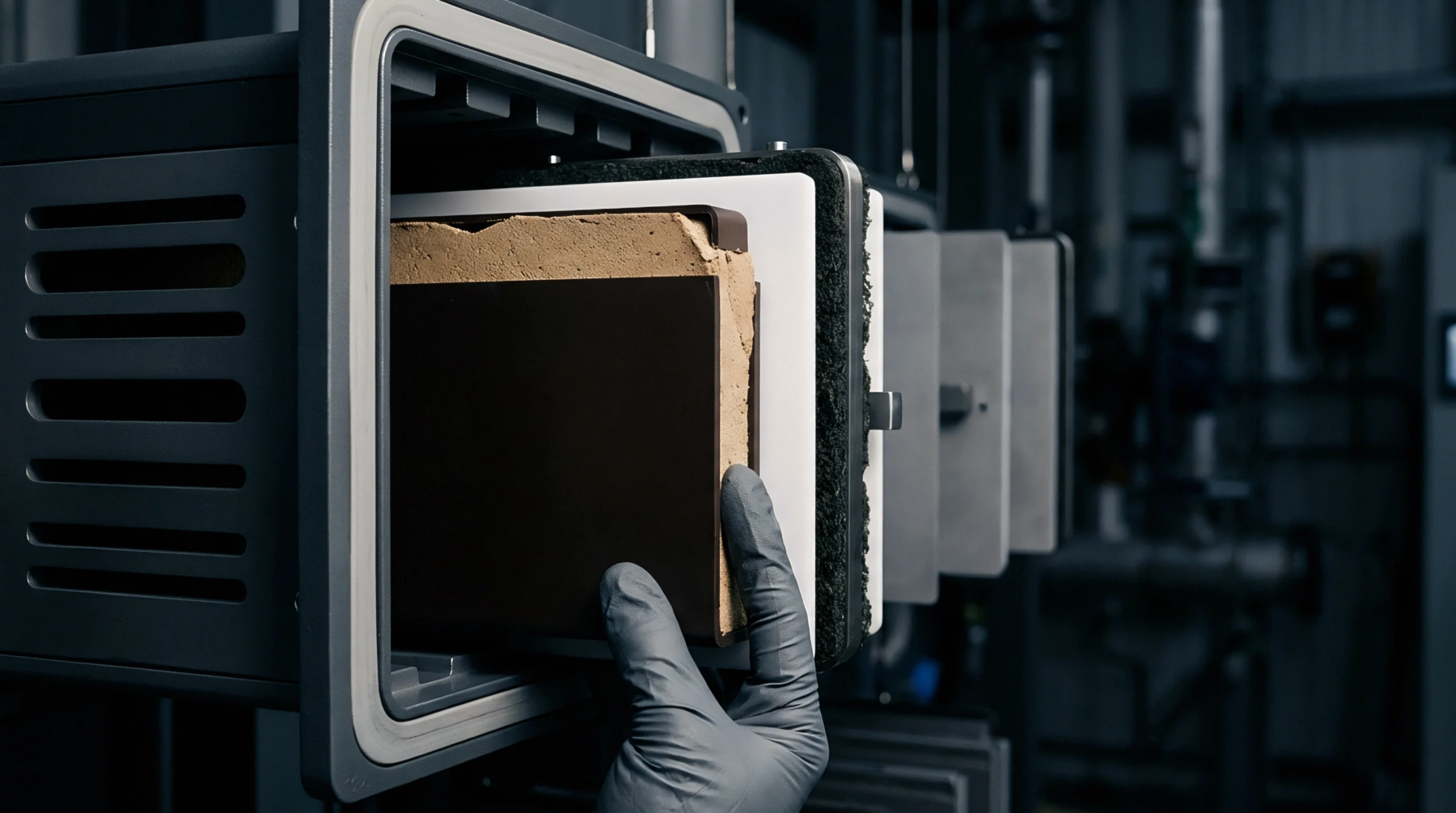
Mechanical force acting along the contact boundary between two bonded materials resists the sliding of one layer relative to the other. In battery manufacturing, interfacial shear occurs at the contact zone between the metallic current collector foil and the coated active material layer. This phenomenon determines the mechanical stability of the electrode during the high-speed winding and calendering processes.
Stress Distribution
Volume changes in the anode or cathode during lithium intercalation generate internal forces. If the interfacial shear stress exceeds the adhesive strength of the binder, delamination of the active material occurs. This separation increases the internal resistance of the cell.
Adhesion Integrity
Peel tests measure the force required to detach the coating from the current collector to quantify the resistance to mechanical failure. Electrode manufacturers optimize the slurry formulation and drying temperature to maximize the chemical bonding at this boundary. Robust adhesive strength prevents the active layer from flaking during the punching and pouching stages of cell assembly.
Adding conductive carbon or modifying the surface roughness of the foil can also enhance the resistance to interfacial shear.
Supplier Qualification
Sourcing managers review adhesion test results to assess the manufacturing consistency of cell suppliers. Electrodes with low resistance to shear forces suffer from early degradation and risk of internal short circuits. Certified laboratory test reports confirming high resistance to interfacial shear provide confidence in the mechanical longevity of the cell.