Meaning
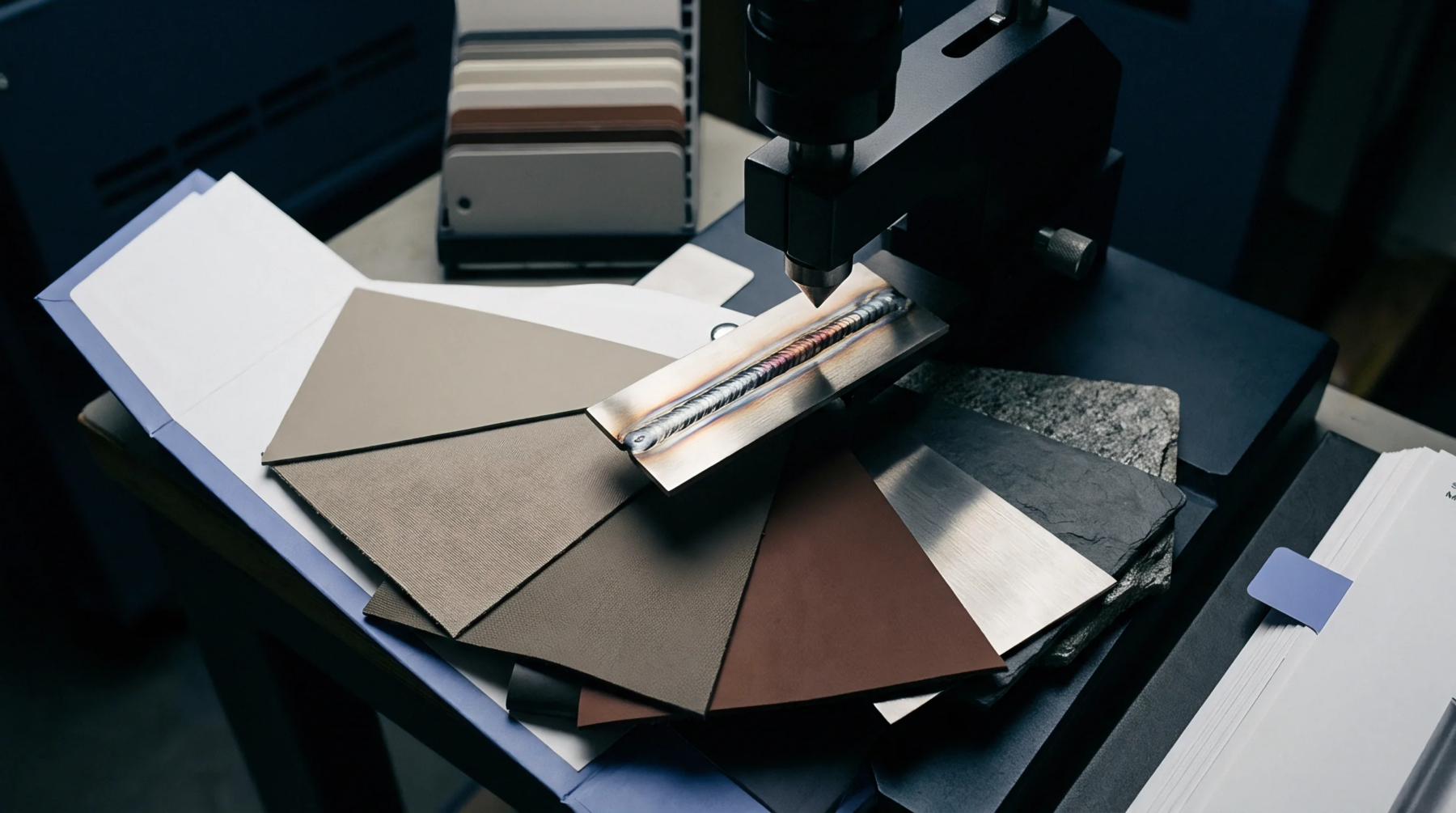
Chemical reaction at the boundary of two distinct metals or alloys produces a new, intermediate compound with unique physical and electrical properties. In battery manufacturing, intermetallic growth often occurs at the electrical connections between different metals.
Joint Degradation
High temperatures accelerate the rate of atomic diffusion across the weld boundary, which increases the thickness of the brittle phase. This growth reduces the mechanical strength of the weld, making it susceptible to cracking under vibration. Furthermore, because these intermediate phases have lower electrical conductivity than the parent metals, intermetallic growth causes localized heating.
This heat can trigger further chemical degradation of adjacent cell components.
Welding Process
Ultrasonic welding and laser welding are optimized to minimize the heat input and limit the creation of these brittle zones. Controlling the pulse duration and energy delivery prevents excessive melting and diffusion at the joint. By using these advanced welding techniques, manufacturers can control intermetallic growth to ensure long-term mechanical stability.
This process control is essential for maintaining electrical continuity throughout the lifetime of the pack.
Quality Assurance
Quality control teams employ cross-sectional microscopy and pull-testing to monitor the integrity of the welded joints. Sourcing specifications for battery busbars specify surface coatings, such as nickel plating, to act as a barrier to intermetallic growth. Implementing these barriers helps procurement specialists select stable components from suppliers.
This ensures that the high-current paths in the battery remain reliable under harsh operating conditions.