Meaning
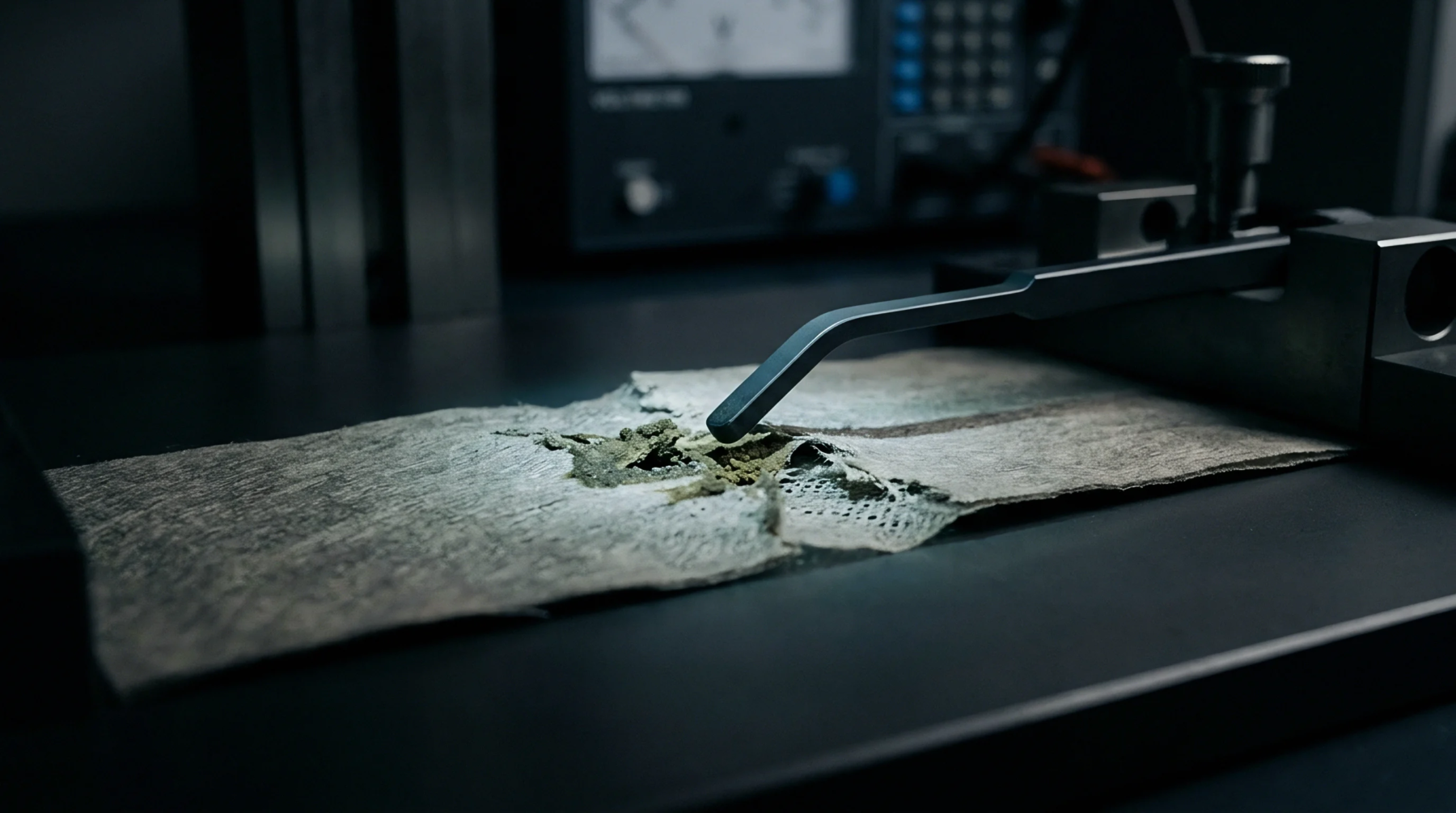
Four-point contact assemblies utilize separate current-carrying and voltage-sensing lines to eliminate lead resistance from measurements. Incorporating a kelvin probe is the industry standard for measuring the low resistance of battery cells and busbars. This arrangement achieves high accuracy by preventing current from flowing through the measurement circuit.
Contact Configuration
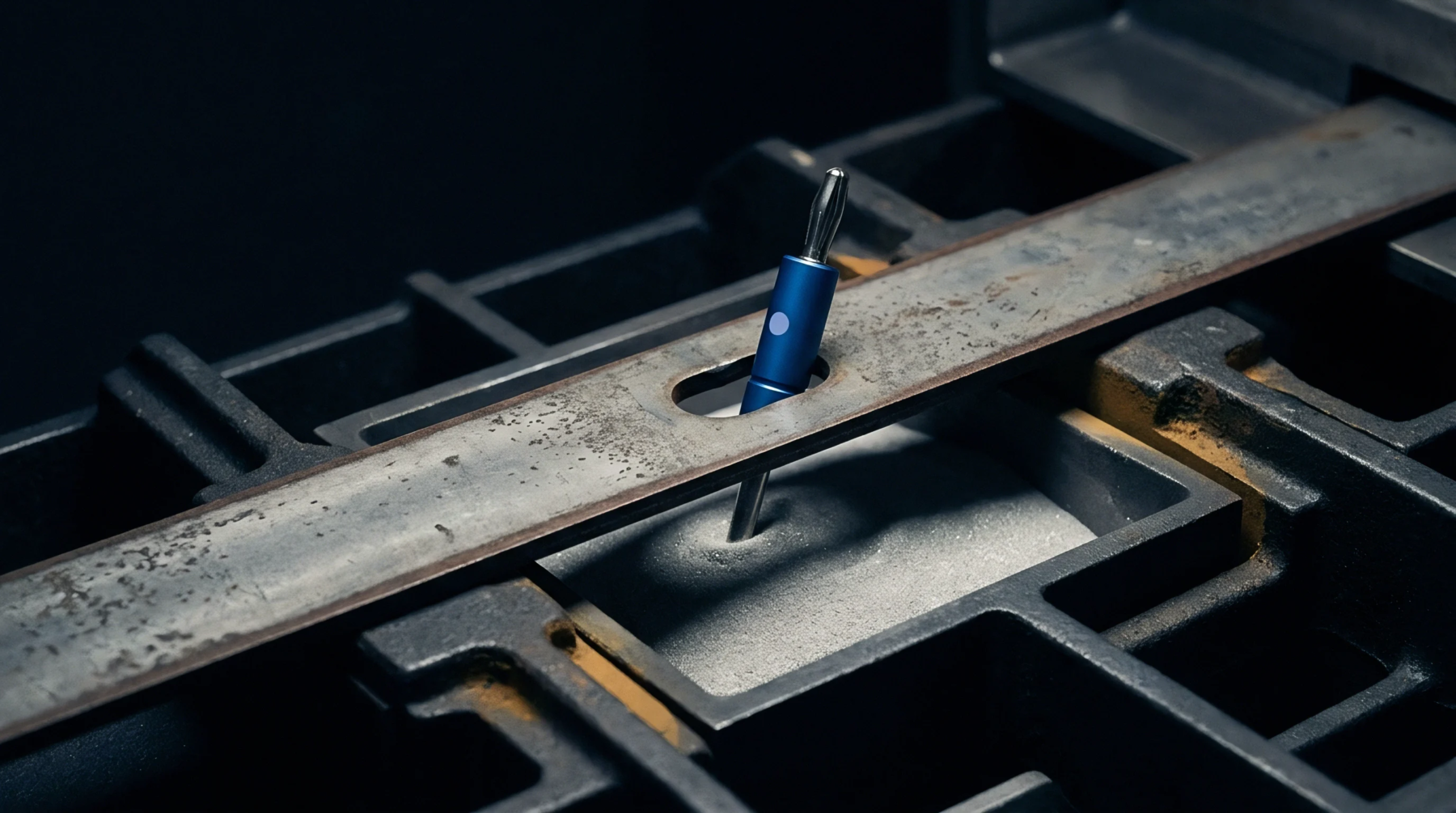
The probe head holds two separate coaxial or parallel pins that touch the same terminal. One path drives the excitation current through the test point, while the second path connects to a voltmeter. This setup ensures that only the potential drop across the sample is measured.
Wear Response
Contamination and wear on test tips normally increase contact resistance over time. Using a kelvin probe bypasses this issue entirely because the voltage-sensing circuit has very high input impedance. Consistent measurements are maintained even when the contact surfaces become oxidized.
Procurement Value
Sourcing managers specify these specialized probes to ensure the stability of high-speed sorting machines. Standard probes require frequent cleaning and replacement, which raises maintenance costs and reduces line throughput. By investing in durable dual-tip assemblies, the factory achieves longer continuous operation and lower lifetime tooling costs.
The reduction in false rejects quickly offsets the higher initial price of the hardware.