Meaning
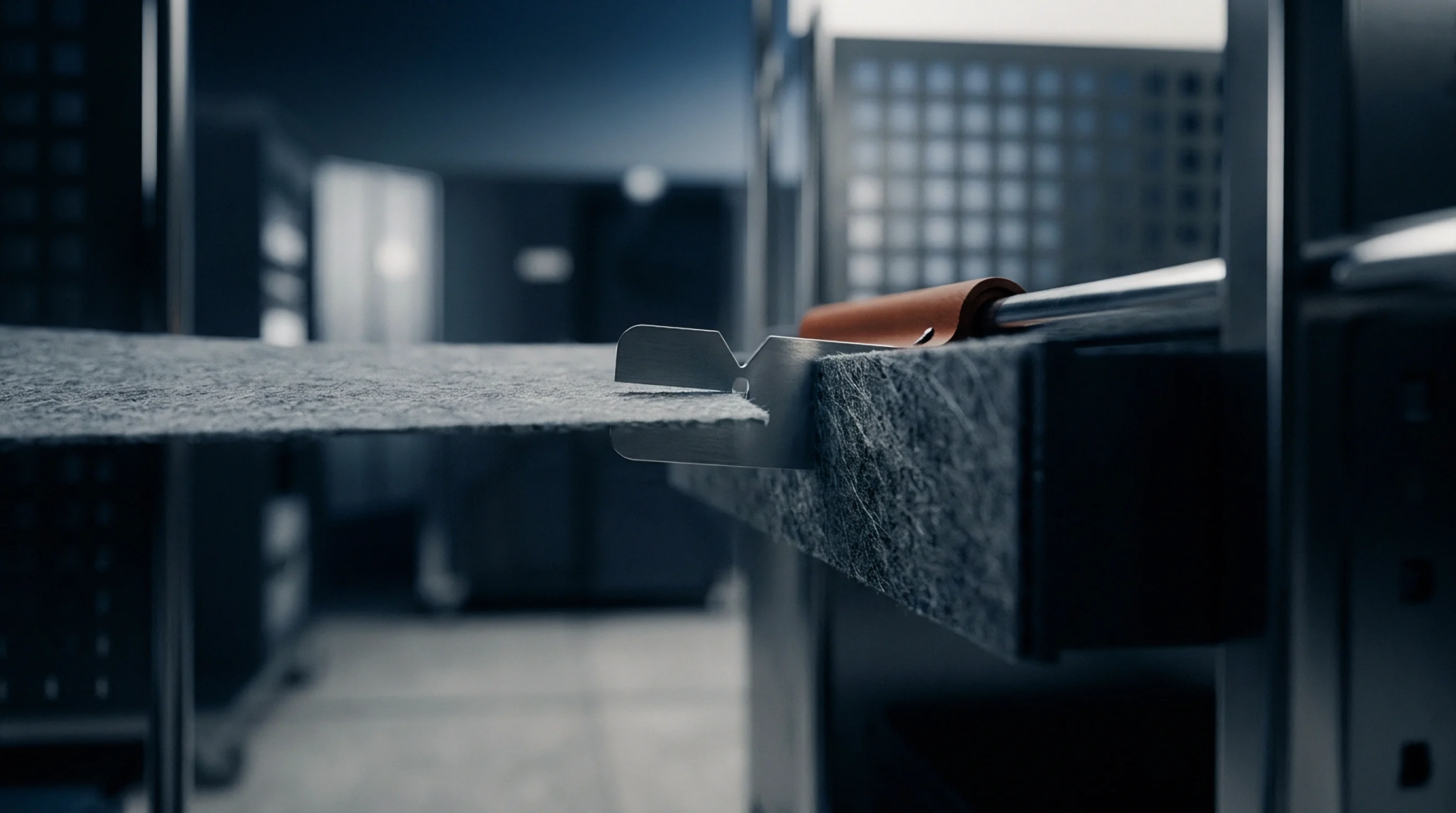
Geometric specification defining the sharpness and curvature of a cutting blade or testing probe. In electrode slitting, the knife edge radius determines the quality of the cut foil edge and the presence of metal burrs. A smaller value indicates a sharper point that penetrates the coating with less force.
Slitting Precision
Mechanical wear gradually increases this dimension over time. As the knife edge radius grows, the blade tears the copper or aluminum foil and fails to shear it cleanly. This tearing action creates jagged edges that can pierce the separator during cell assembly.
Regular inspection of the cutting tool ensures that the radius remains within the micron range required for high energy density cells.
Material Interaction
Coated surfaces respond differently to the geometry of the blade. For a cathode with high ceramic content, a larger knife edge radius may cause the coating to flake away from the current collector. This creates dust that poses a fire risk if it enters the cell stack.
Reducing the radius helps to maintain the bond between the active material and the metal substrate.
Degradation Limit
Tool replacement schedules rely on the measurement of this specific curve. When the knife edge radius exceeds a set limit, the production line must stop to prevent the manufacture of defective electrodes. Operators measure the profile using high resolution optical sensors or contact profilometry.
A blunt edge increases the heat generated during the cutting process. Heat can melt the binder at the edge of the electrode and alter the electrochemical performance of the final product.