Meaning
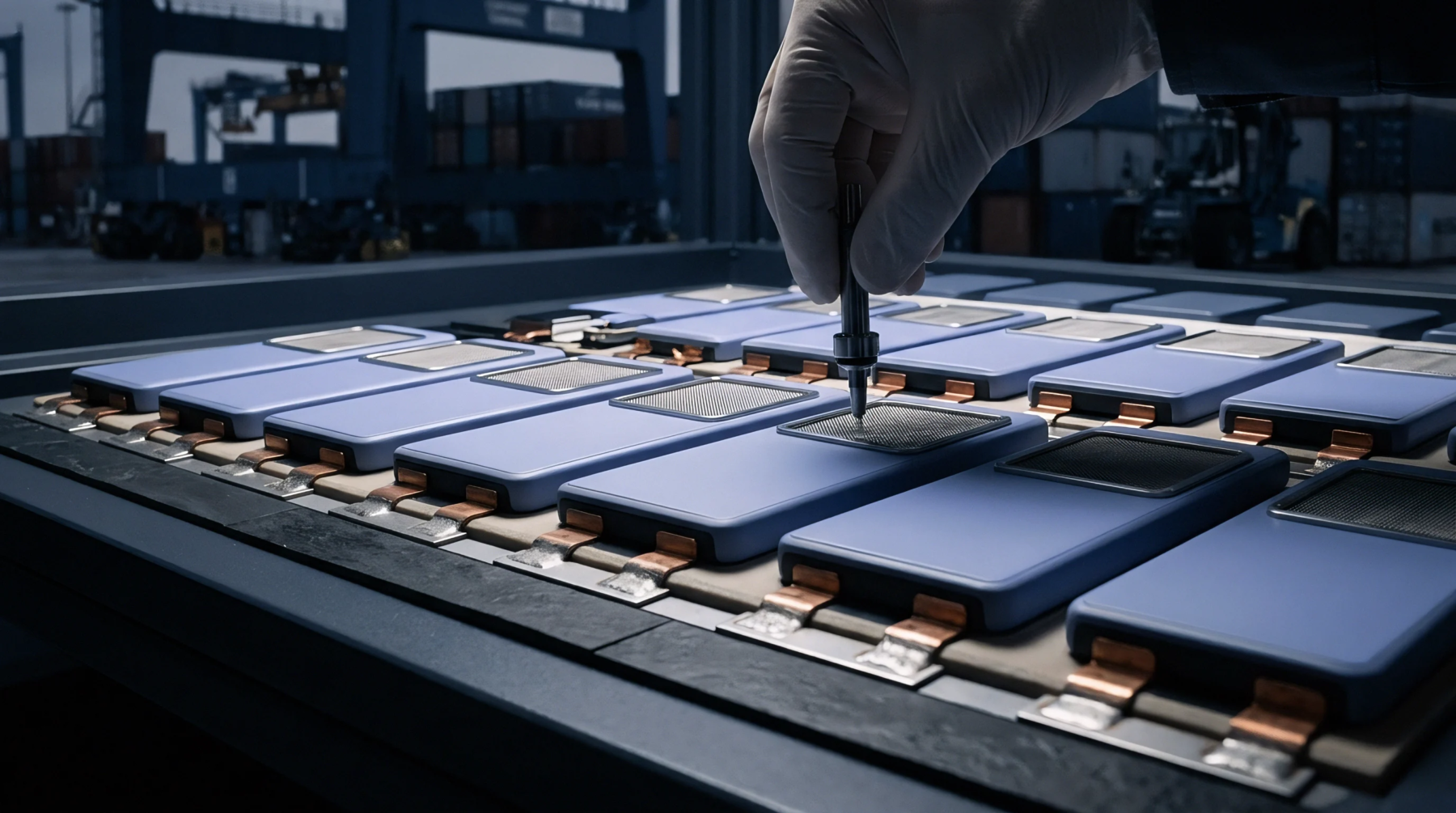
Mechanical fixturing hardware ensures the precise positioning of metallic workpieces during high-energy beam bonding operations. A laser welding alignment jig secures the contact zone of components to prevent thermal distortion and gap variation during the fusion cycle. Its primary utility involves establishing a stable datum for the beam spot relative to the joint interface.
Fixture Geometry
Structural stability defines the capability of these assemblies to withstand rapid heating cycles without dimensional drift. Heavy steel or aluminum bases often provide the necessary mass to act as a heat sink for the weld area. Conductive copper inserts mitigate cooling discrepancies near the bond line.
Designers incorporate toggle clamps or pneumatic pistons to maintain consistent pressure against the joint edges. Thermal expansion coefficients influence the material selection for the base plate.
Operation Mechanics
Consistent beam delivery depends on the repeatability of the clamping action between successive cycles. Operators load the parts into the cavity where internal locators provide positive registration of the joint geometry. Automated systems engage the hold-down force before the laser head moves to the starting coordinate.
Release of the hardware occurs only after the cooling phase reaches a predetermined threshold to prevent metallurgical stress.
Procurement Specification
Purchasing teams evaluate the rigidity of the frame against the mass of the parts and the power intensity of the source. High volume production lines require hardened contact surfaces to resist wear from frequent loading and unloading cycles. Tolerances on the datum locators dictate the ultimate precision of the welded assembly.
Alignment systems lacking adequate stiffness produce inconsistent seam profiles and rejected components.