Meaning
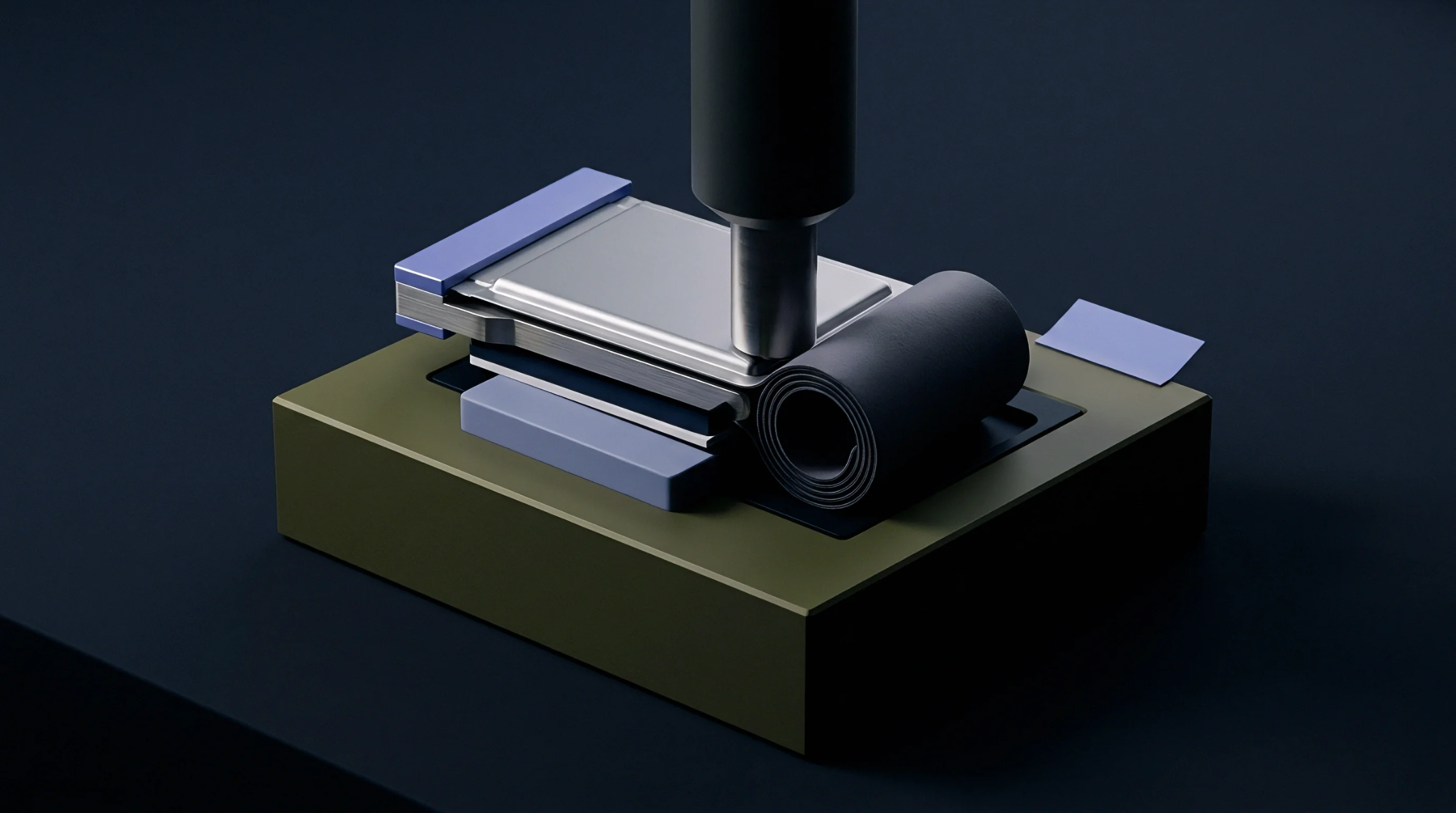
Automated joining technology directs concentrated photons to melt metallic conductors directly onto battery terminals without mechanical contact. Laser wire bonding operates by aiming a focused light beam through precision optics to create a microscopic metallurgical weld between thin metal filaments and current collection tabs. Thermal delivery is localized within milliseconds to prevent degradation of adjacent polymer separators and sensitive cell chemistry.
Production lines apply laser wire bonding to assemble cylindrical and prismatic cells into high voltage modules for electric vehicles and stationary energy storage. Electrical resistance across the joint remains exceptionally low because the concentrated thermal energy creates a uniform intermetallic alloy layer. Manufacturing engineers govern joint quality by adjusting beam power, pulse duration, and spot diameter to match specific aluminum or copper wire dimensions.
Quality inspection protocols rely on optical profiling and destructive shear testing to verify weld integrity before modules advance to final packaging.
Optical Setup
Beam delivery systems require strict calibration to maintain focal stability across varying production shift conditions. Galvanometer mirrors direct the light path rapidly between adjacent terminals while protective cover glasses shield internal optics from metal spatter. Focusing lenses concentrate the photonic energy into a spot diameter measuring merely microns across the contact surface.
Protective inert gas shielding prevents oxidation of the molten metal puddle during the brief joining window.
Thermal Control
Heat conduction away from the weld zone depends entirely on the thickness and thermal conductivity of the underlying substrate. Excess energy absorption causes micro cracking within the transition region while insufficient power leaves the conductor inadequately joined. Closed loop pyrometers monitor real-time emission signatures to modulate diode current output during the pulse.
Substrate cooling fixtures absorb residual thermal energy to protect temperature sensitive components housed inside the cell casing.
Mechanical Stress
Vibration and thermal cycling generate mechanical forces that test the structural fatigue limits of the welded joint. Stiff aluminum or copper strands transfer expansion stresses directly into the metallurgical interface during high rate charging cycles. Joint reliability relies on maintaining a smooth transition profile between the flattened wire loop and the terminal surface to prevent localized stress concentration.
Fatigue testing confirms that properly calibrated parameters produce bonds capable of withstanding severe vehicular shock loads over decades of operation.