Meaning
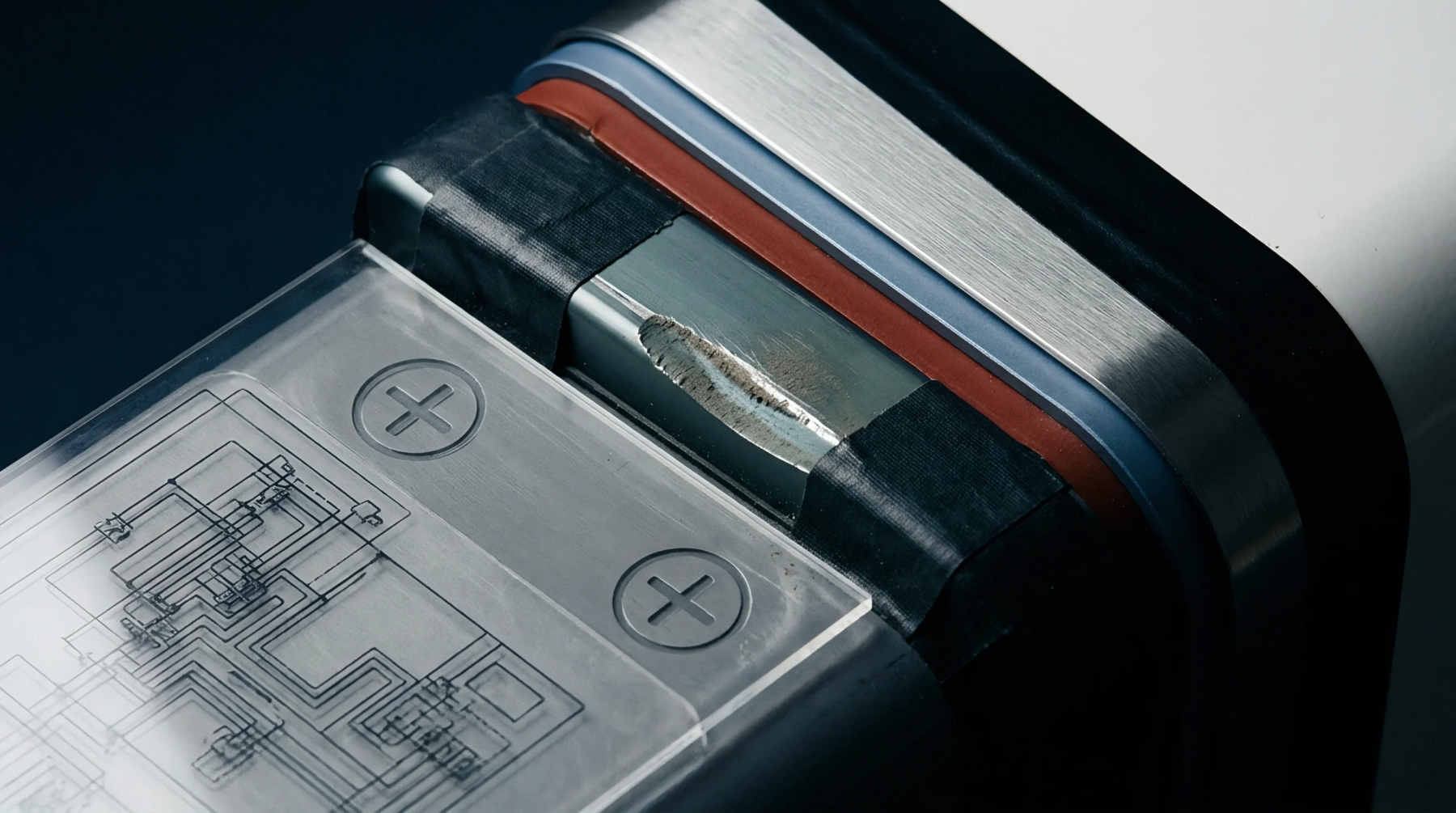
Structural failure within an electrode coating occurs when microscopic areas of the active material separate from the underlying current collector or from the binder matrix. This micro-delamination creates non-conductive zones that restrict lithium ion mobility and force higher current densities onto the remaining healthy portions of the electrode. Such localized detachment often stems from mechanical stress during rapid thermal expansion or from poor adhesion during the initial drying phase of production.
The phenomenon reduces total cell capacity and increases internal resistance as the active surface area for electrochemical reaction diminishes over time.
Adhesion Force
Measuring the bond strength between the composite layer and the metallic foil provides a quantitative assessment of susceptibility to this mechanical degradation. Pull tests or scratch testing protocols generate data that characterize the toughness of the interface under standard assembly conditions. Weak interfacial bonds frequently trace back to improper drying temperatures or contaminants present on the foil surface before coating application.
Engineers use these measurements to determine the threshold for mechanical stability during the high speed winding or stacking operations that define cell manufacturing.
Thermal Stress
Differences in the expansion coefficients of the metal substrate and the composite cathode material produce shear forces during battery operation. These cyclical mechanical loads propagate small cracks at the interface that grow until they manifest as larger separations within the electrode structure. High cycle rates combined with extreme temperatures accelerate the growth of these voids by intensifying the magnitude of the force applied to the adhesive bond.
Rapid heating cycles during discharge often correlate with higher incidences of physical separation in high energy density systems.
Electrochemical Impact
Voltage drops and capacity fading become apparent once micro-delamination disconnects significant portions of the electrode from the conductive path. Isolated active material particles no longer participate in the charge or discharge cycles, effectively lowering the usable energy of the entire battery pack. Advanced monitoring of resistance growth during the first hundred cycles provides a reliable predictor for the onset of this internal degradation.
Current hardware design relies on optimized binder chemistry to maintain mechanical continuity despite the physical demands of repeated volume changes.