Meaning
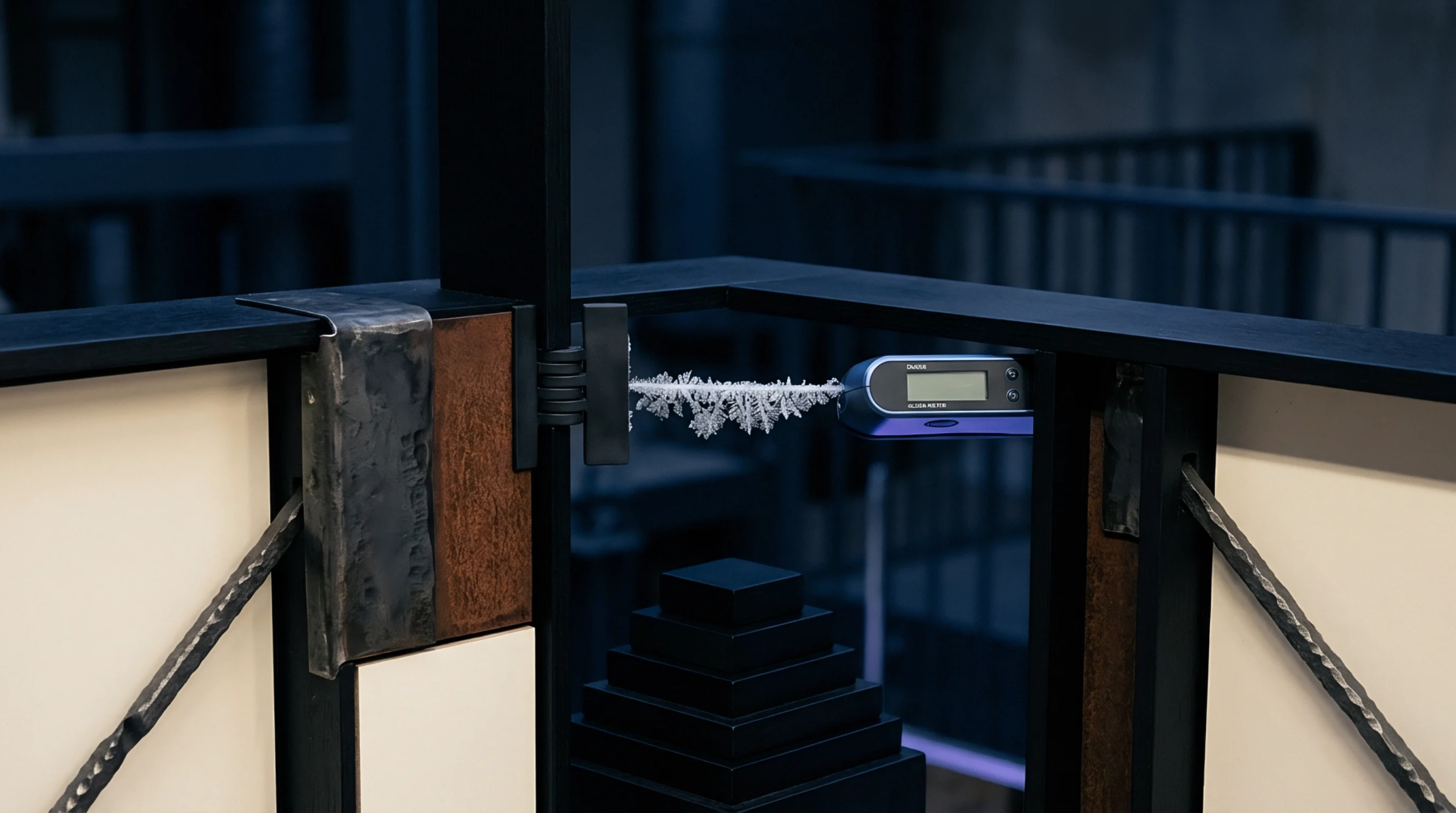
Electrochemical deposition of metallic branch-like structures during battery charging represents a major degradation mechanism in lithium metal batteries. The progressive accretion of metallic lithium atoms on the negative electrode surface is called micro-dendrite growth and can eventually bridge the gap between electrodes. This phenomenon limits the commercial viability of high-energy-density batteries by causing internal short circuits and premature cell failure.
Initiation Phase
Non-uniform current distributions on the surface of the negative electrode initiate localized electrodeposition. Under these uneven electric fields, micro-dendrite growth starts at surface impurities, grain boundaries, or local protrusions on the lithium foil. This phase is accelerated by high current densities and low-temperature charging conditions.
Structural Propagation
Mechanical properties of the separator determine whether the metallic filaments can penetrate the internal barriers of the cell. Once the initial deposits form, micro-dendrite growth continues through the pores of the polymer separator, driven by the electric field. This propagation can eventually lead to localized electrical contact between the anode and cathode.
Commercial Impact
Sourcing of long-lasting battery packs requires materials that can suppress the development of internal metallic shorts. Preventing micro-dendrite growth is a primary focus of solid-state electrolyte development and advanced separator coatings. This technology is necessary to enable the commercial deployment of ultra-high-energy-density cells for electric vehicles.
It also reduces safety risks, which improves consumer confidence and speeds up the transition to electric transportation.