Quantifying Micro Leak Thresholds for Lithium Ion Envelope Integrity Assurance
Micro leak rates above 1.0e-6 mbar L/s drive moisture ingress and hydrofluoric acid formation, degrading lithium ion cell capacity and triggering transport failure.

Ingress
Hermetic cell packaging prevents molecular exchange between internal electrochemistry and ambient air. Pouch cell envelopes rely on multi-layer aluminum laminate films joined by polyolefin heat-seal layers, while prismatic and cylindrical cell designs utilize laser-welded metallic headers or mechanically crimped rubber gaskets. Seal defects smaller than five micrometers create pathways for atmospheric gases to enter and volatile electrolyte solvents to escape.
Defect geometry determines the flow regime, shifting from continuum viscous flow down to Knudsen molecular diffusion as capillary diameter drops below one micrometer.
Moisture entering the cell reacts almost immediately with the internal electrochemistry.
Moisture Diffusion Mechanics in Polymer Heat Seals
Atmospheric water vapor drives across heat-seal interfaces via concentration gradients. Polypropylene sealant films possess inherent permeability to water vapor, described by Fickian diffusion kinetics where total mass flux depends on temperature, boundary land width, and partial pressure differentials. Ambient air at 25°C and 60% relative humidity presents a water vapor partial pressure near 1.9 kPa, while the internal water concentration of a fresh cell electrolyte is maintained below 20 ppm.
This chemical potential drives water molecules through seal micro-voids, pinholes, or polymer free volume directly into the organic carbonate mixture.
Volatile electrolyte solvents begin escaping long before liquid leakage is visible.
Water entering the envelope degrades lithium hexafluorophosphate salt through an irreversible hydrolysis reaction path. Hydrofluoric acid generated through this mechanism attacks cathode active materials, stripping transition metal cations such as manganese, nickel, and cobalt. Dissolved metal cations diffuse through the porous polyolefin separator toward the graphite anode, depositing as metallic species that disrupt the solid electrolyte interphase.
This catalytic destruction of the passivating layer consumes active lithium ions, accelerates impedance growth, and produces gaseous byproducts including carbon dioxide and phosphorus oxyfluoride.
- Polypropylene Delamination Acidic hydrolysis products attack the bond line between the inner polyolefin heat seal layer and the barrier aluminum foil, expanding micro-voids into macroscopic seal separations.
- Solvent Vapor Volatilization Organic alkyl carbonates featuring elevated vapor pressures evaporate through seal micro-channels, altering electrolyte salt concentration and reducing ionic conductivity across temperature ranges.
- Transition Metal Dissolution Acidic species strip cathode transition metal ions that migrate to the negative electrode, causing severe capacity fade and localized lithium plating risk.
- Gas Generation Decomposition reactions from electrolyte degradation generate internal pressure, deforming pouch envelopes and compromising pack spatial tolerances.
Internal gas accumulation and solvent loss eventually compromise overall seal integrity.
Quantifying boundary failure thresholds allows battery qualification teams to set meaningful pass-fail criteria during incoming cell screening. The table below outlines micro leak threshold boundaries alongside corresponding flow dynamics and primary degradation mechanisms over extended storage periods.
| Helium Leak Rate (mbar L/s) | Equivalent Hole Diameter (µm) | Annual Water Ingress (ppm H2O/yr) | Dominant Electrochemistry Impact |
|---|---|---|---|
| 1.0e-4 to 1.0e-3 | 5.0 to 15.0 | Above 500 | Rapid HF formation, catastrophic SEI breakdown, cell venting within months. |
| 1.0e-5 to 1.0e-4 | 1.0 to 5.0 | 100 to 500 | Transition metal leaching, noticeable DCR rise, gas pouch distortion within 1 year. |
| 1.0e-6 to 1.0e-5 | 0.3 to 1.0 | 20 to 100 | Gradual capacity retention loss, mild impedance growth over 3-year warranty window. |
| 1.0e-8 to 1.0e-6 | 0.05 to 0.3 | Below 20 | Negligible impact; cell shelf life governed by active material calendar aging. |
| Values calculated for a 50 Ah pouch cell with 120 g electrolyte (EC:EMC 3:7, 1.0M LiPF6) stored at 25°C and 60% ambient relative humidity. | |||
An ingress rate exceeding 1.0e-6 mbar L/s introduces over 50 ppm of water annually into a 10 Ah pouch cell, accelerating capacity fade beyond commercial warranty bounds.
Unchecked moisture entry through defective heat seals converts active lithium into insoluble fluoride salts, degrading cell capacity and generating gas that distorts module housings during field operation.

Tracer
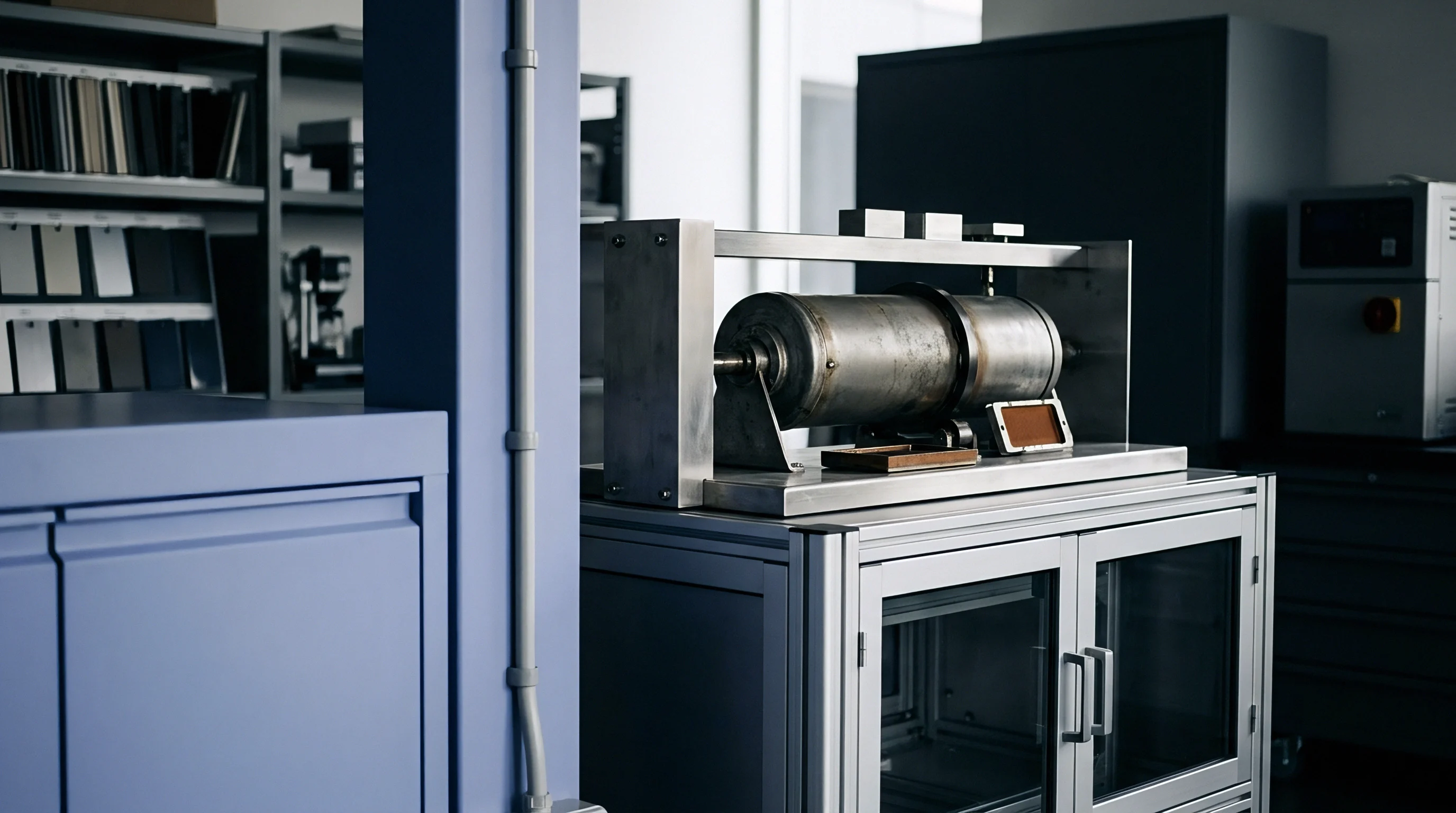
Mass spectrometry leak detection utilizes helium gas as a small, non-reactive tracer molecule to measure envelope hermeticity. The physical diameter of a helium atom measures roughly 0.26 nanometers, allowing it to penetrate mechanical breaches far smaller than liquid electrolyte droplets or organic solvent molecules can navigate. Testing requires placing the sealed envelope inside a clean vacuum vessel connected to a tuned quadrupole mass spectrometer capable of detecting partial pressures of helium down to background levels near 1.0e-12 mbar L/s.
Helium atoms easily migrate through sub-micron seal pathways.

Helium Mass Spectrometry Chamber Methodologies
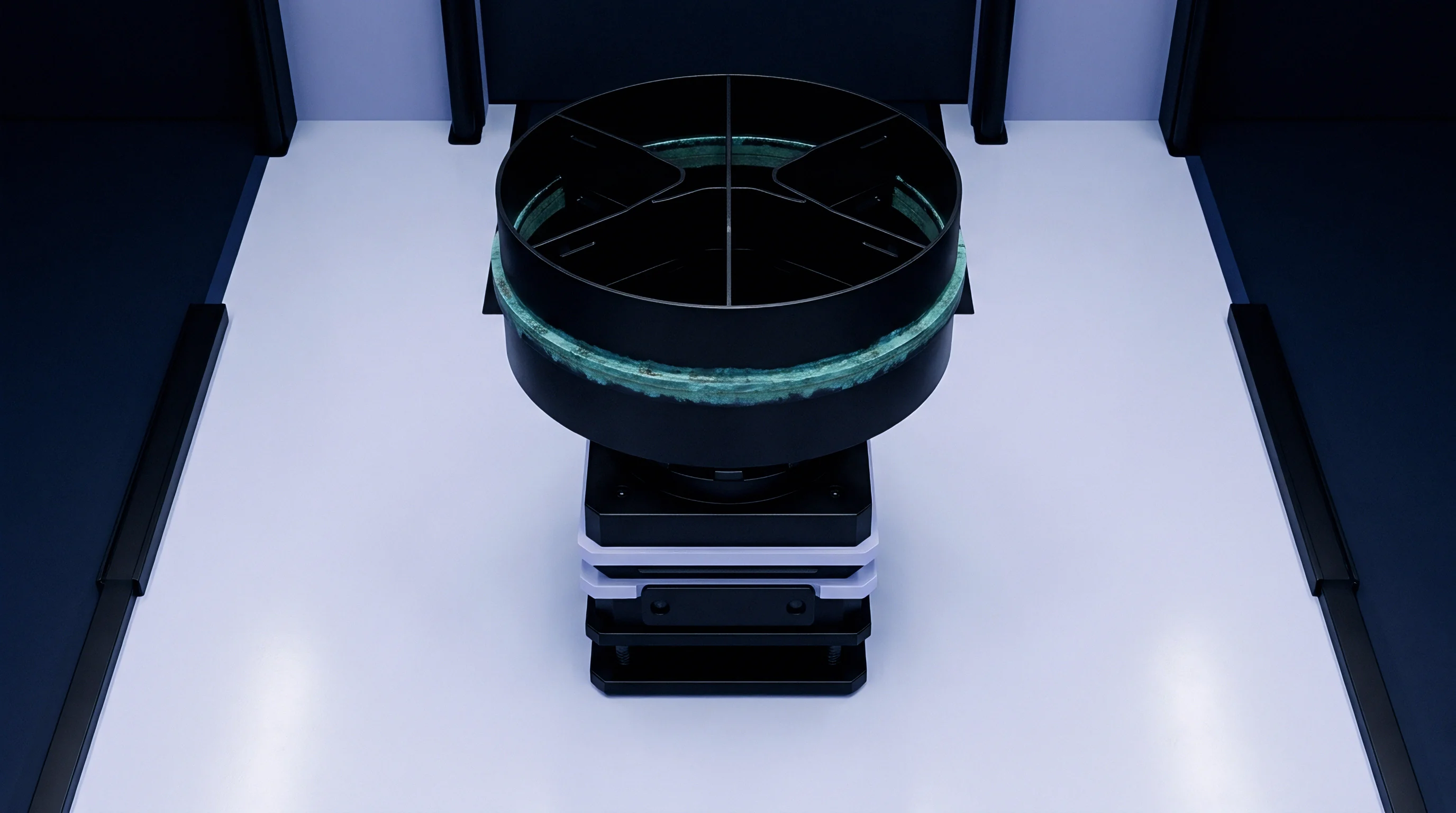
Vacuum chamber measurement methods operate under two distinct configurations: inside-out sniffer modes or outside-in bombing cycles. Bombing procedures place finished cells inside a pressurized vessel containing pure helium gas at 2 to 5 bar for several hours, forcing tracer molecules into any envelope voids. After pressure relief and surface flushing, operators transfer the cell into an evacuated test chamber where outgassing tracer gas is measured by the detector.
Fine leak measurement accuracy depends on controlling bomb dwell times and calculating tracer wash-out rates from external label adhesives or polyolefin wrapping films.
Background chambers must be thoroughly outgassed to avoid baseline drift.

What Rate of Solvent Evaporation Triggers Early Impedance Rise?
Direct detection of volatilized electrolyte components provides an alternative to helium tracer gas bombing. Dynamic organic solvent detectors use photoionization detectors or optical absorption spectroscopy to monitor dimethyl carbonate and ethyl methyl carbonate emissions inside closed sampling chambers. An evaporation loss exceeding 0.1 milligrams per day corresponds to an equivalent air leak rate near 1.0e-5 mbar L/s.
Solvent depletion shifts the electrolyte salt concentration away from its optimal conductivity window, causing direct current internal resistance to increase within several hundred charge cycles.
Moisture accumulation continues to accelerate chemical breakdown over time.
Executing precise envelope qualification requires a structured vacuum testing routine. The sequence below outlines the step-by-step verification process applied during factory quality assurance audits.
- Evacuate the testing vessel to a baseline pressure below 0.1 Pa to remove residual background gases.
- Charge the cell containment envelope with pure tracer gas at a controlled differential pressure of 100 kPa.
- Monitor the spectrometer detection ion current for target molecular weight signatures over a minimum duration of 30 seconds.
- Compare the observed gas flow rate against the calibrated reference standard leak value.
Certificates produced under standard IEC 62133-2 Clause 7.3.2 require validated test records proving zero envelope swelling after thermal storage at 70°C for seven days.
Suppliers frequently attribute mass loss anomalies during vacuum accumulation tests to background outgassing of external polyolefin tapes rather than true seal breaches.

Hydrolysis
Breakdown reactions inside the cell envelope follow non-linear chemical kinetics dictated by moisture availability. Water molecules entering through seal micro-channels react immediately with hexacoordinate phosphorus species, shifting chemical equilibrium and releasing hydrofluoric acid. The formation of hydrofluoric acid occurs rapidly when water concentrations exceed 30 ppm, converting liquid electrolyte into an aggressive corrosive medium that attacks metallic current collectors and ceramic separator coatings.
Mechanical crimp seals flex under operational thermal cycling.

Chemical Kinetic Impact of Water Contamination
To quantify degradation severity, assume a 50 Ah prismatic cell holding 120 grams of electrolyte with an initial water content of 15 ppm. A micro leak rate of 5.0e-7 mbar L/s under standard ambient storage conditions introduces approximately 0.21 milligrams of water per day. Over one year of storage, cumulative water ingress reaches 76.6 milligrams.
Stoichiometric conversion converts this moisture into 85.1 milligrams of hydrofluoric acid, increasing total acid concentration in the electrolyte by more than 700 ppm. This acidic environment corrodes the aluminum cathode current collector, increasing contact resistance and shedding cathode active material into the cell cavity.
Acid reaction byproducts build internal gas pressure within the envelope.
| Exposure Duration (Months) | Cumulative Ingress (mg H2O) | Hydrofluoric Acid (ppm) | DCR Increase (%) | Capacity Fade (%) |
|---|---|---|---|---|
| 3 | 19.1 | 177 | 1.8 | 0.4 |
| 6 | 38.3 | 354 | 4.2 | 1.1 |
| 12 | 76.6 | 709 | 12.5 | 3.8 |
| 24 | 153.2 | 1418 | 31.0 | 9.5 |
Rising temperatures cause internal solvent vapor to expand further.
System integrators must verify cell envelope construction parameters before accepting production batches into battery pack assembly operations.
- Seal Width Verification Heat seal land width must exceed 3.0 millimeters across all pouch edges to maintain long-path moisture diffusion barriers.
- Helium Bombing Exposure Cells undergo 4 bar helium saturation for 4 hours prior to spectrometer analysis to catch fine cap faults.
- Solvent Vapor Limits Maximum allowable dimethyl carbonate emission rate set to 1.0e-7 mbar L/s under 60°C chamber baking conditions.
- Crimp Gasket Compression Radial compression ratio on cylindrical header seals verified between 25 and 30 percent across cold and hot thermal cycles.
In sealed lithium-ion envelopes, water ingress always produces hydrofluoric acid regardless of baseline electrolyte additives.
Incorporating clause 4.2 into the cell supply specification forces the vendor to bear all costs associated with batch quarantine and scrap if micro leak testing reveals helium emission rates exceeding 2.0e-6 mbar L/s.
Threshold
Acceptable micro leak limits depend directly on cell geometry, internal void volume, and target operational lifespan. Large-format pouch cells with thin perimeter heat seals exhibit higher susceptibility to mechanical stress than cylindrical steel cans. Establishing lot pass-fail thresholds requires matching leak test sensitivity against Acceptable Quality Level limits under ISO 2859-1 sampling plans.
A single defective envelope in a high-voltage series string introduces a point failure risk capable of downing an entire energy storage module.
Unidentified seal defects directly compromise pack safety margins.

Format Dependent Leak Tolerances and AQL Frameworks
Pouch cells require strict leak thresholds near 1.0e-6 mbar L/s due to the small cross-sectional area of their thermocompression seals and thin laminate foil barriers. Prismatic cells featuring laser-welded aluminum caps tolerate micro-voids up to 5.0e-6 mbar L/s before liquid electrolyte leakage occurs, though long-term moisture diffusion remains an issue. Cylindrical cells with crimped polypropylene gaskets are tested against 1.0e-5 mbar L/s limits, relying on mechanical bead compression to maintain hermetic boundaries under vibration.
Improper handling can easily fatigue thin pouch laminate foils.
| Methodology | Detection Limit (mbar L/s) | Cycle Time per Unit | Destructive Test | Capital Cost per Line |
|---|---|---|---|---|
| Helium Vacuum MS | 1.0e-10 | 15 to 45 seconds | No | High |
| Optoelectronic DMC Sensing | 1.0e-7 | 10 to 20 seconds | No | Moderate |
| High-Voltage Spark Leak | 1.0e-5 | 2 to 5 seconds | No | Low |
| Gravimetric Mass Loss | 1.0e-4 | 24 to 48 hours | No | Very Low |
Generated hydrofluoric acid corrodes internal current collector tabs.
Documenting regulatory compliance requires maintaining complete safety files for every cell format crossing international borders.
- UN 38.3 Test Summary Official regulatory document validating completion of T.1 through T.8 safety trials for transport clearance.
- Calibrated Leak Test Certificate Factory lot verification proving envelope leak rates remain below specified thresholds under vacuum accumulation.
- Safety Data Sheet Clause 9 Physical property verification specifying solvent boiling points, vapor pressure boundaries, and decomposition products.
- Quality Inspection Audit Trail Statistical process control records confirming heat seal compression parameters and laser weld penetration depth for each lot.
Standard batch sampling can easily miss isolated mechanical seal flaws.
Whether non-destructive high-voltage spark testing can reliably replace helium tracer spectroscopy for high-speed pouch cell production lines remains an unsettled topic among cell quality engineers.


Transit
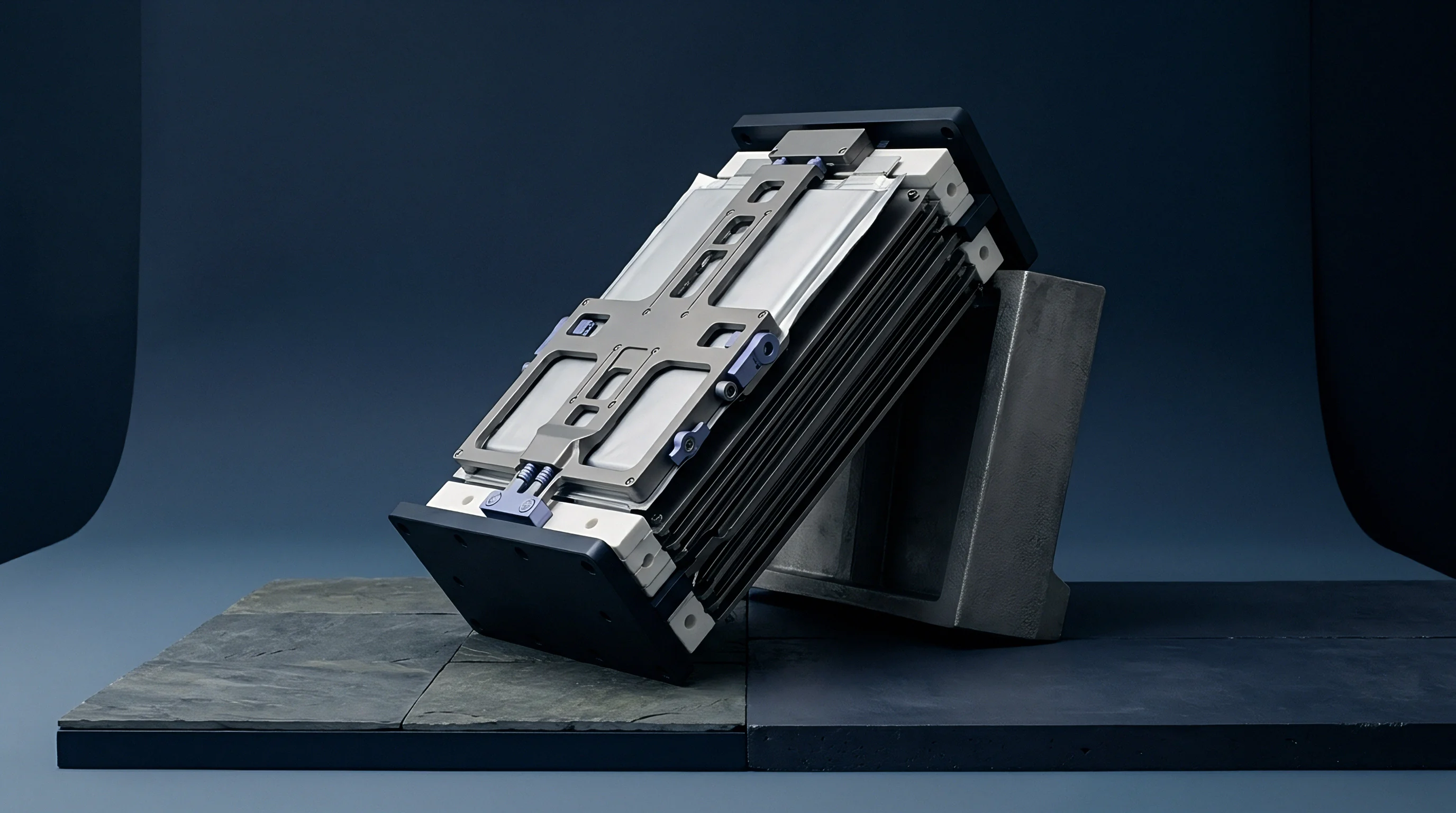
Shipping lithium-ion cells exposes envelope seals to severe environmental stress during land, sea, and air logistics cycles. Commercial cargo aircraft hold pressures drop to 75 kPa during flight, creating outward pressure differentials against sealed cell walls. UN 38.3 Test T.1 subjects cells to an absolute ambient pressure of 11.6 kPa at 20°C for six hours, simulating extreme high-altitude decompression.
Envelopes containing micro-voids or weak heat seals swell under this internal pressure, widening micro-leaks and promoting solvent vapor release.
Reduced ambient pressure during transit accelerates differential gas expansion.
Transport Pressurization and Thermal Expansion Stress
Thermal cycling during transport further exacerbates seal degradation. UN 38.3 Test T.2 cycles cells between -40°C and +72°C over ten days, inducing differential thermal expansion between the polymer sealant, aluminum foil layer, and metallic current collector tabs. The linear thermal expansion coefficient of polypropylene measures approximately 1.5e-4 per Kelvin, whereas aluminum measures 2.3e-5 per Kelvin.
This dimensional expansion mismatch generates shear stress along thermocompression seal boundaries, transforming sub-micron micro-voids into continuous leak paths during long-transit shipping routes.
A pouch cell that passes static room temperature leak checks can rupture during air freight when ambient pressure drops to 11.6 kPa.
International regulations governing dangerous goods transport under IATA Packing Instruction 965 mandate that cell packaging prevent leakage of liquid or vapor during transit. Forwarders retain authority to reject cell shipments displaying pouch swelling, solvent odor, or voltage imbalance caused by micro-leak envelope failure. Buyers must align cell purchasing contract terms with UN Manual of Tests and Criteria standards, specifying that lot acceptance criteria apply upon delivery at destination port rather than at factory gate release.
Cell envelopes designed with wider heat seals and rigid outer mechanical restraints withstand freight altitude variations far better than unconstrained foil pouches.